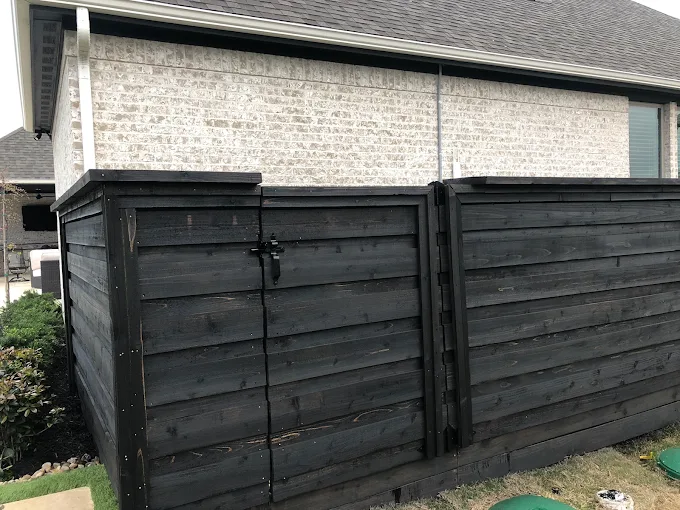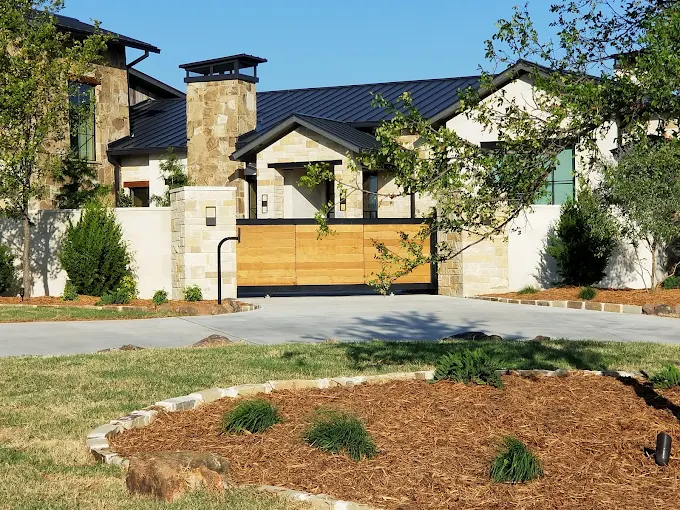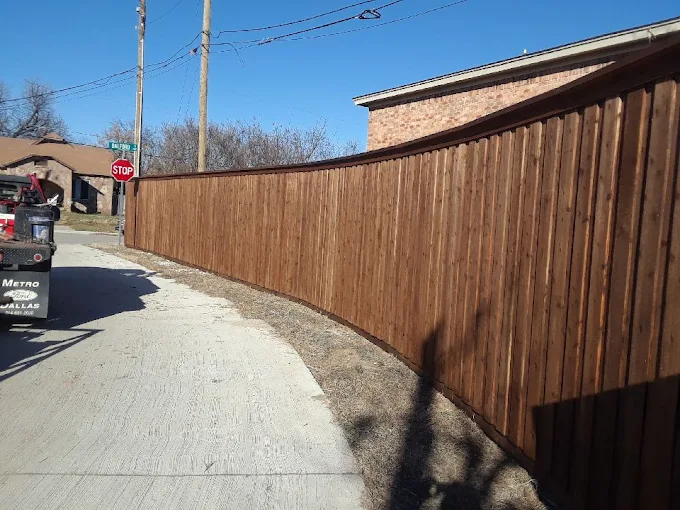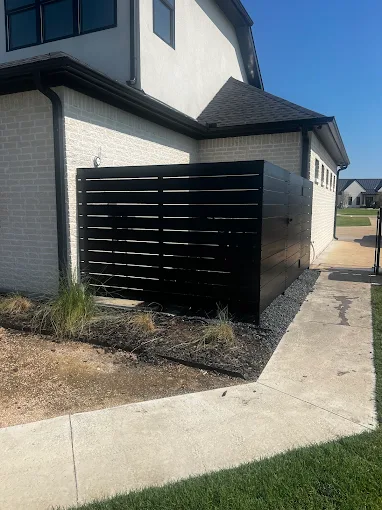
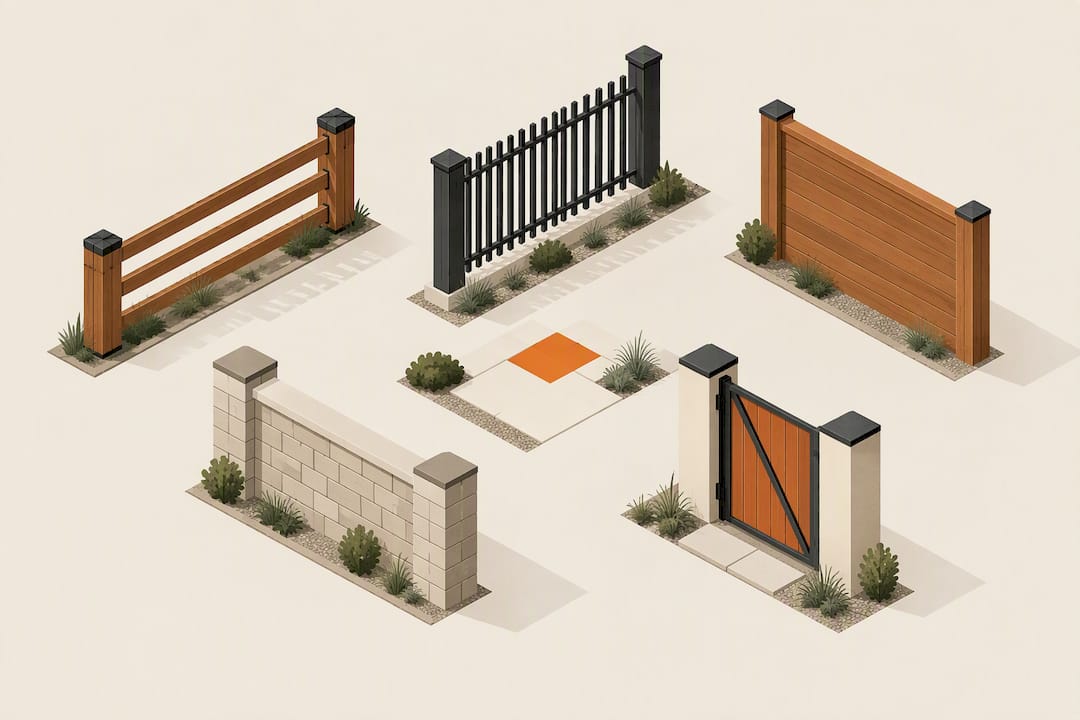
An estate fence is a boundary structure built at scale for large or upscale residential properties, sized and detailed to define land, secure a perimeter, or frame a home’s architecture. The main styles are paddock/estate rail, ornamental iron, wood estate or picket, split-rail/ranch, board-on-board privacy, and mixed wood-and-iron. Iron and mixed-material fences lead on security and curb appeal, board-on-board wins on privacy, and split-rail or paddock styles handle boundary definition and land character at the lowest cost.
TL;DR:
- Iron and mixed-material fences offer superior security and curb appeal, but they are also the most expensive options and require regular maintenance.
- Privacy fences like board-on-board styles provide full screening but demand more upkeep, sealing, and replacement over time.
- Sloped land should be addressed with stepped panels for formal styles or raked panels for open styles, depending on the fencing material.
- Permits are likely required for fences over 7 feet in height or for pool security fences, so check local regulations before installation.
- Contracting with a seasoned in-house fencing company ensures reliable craftsmanship and accurate estimates tailored to your property’s specific needs.
Table of Contents
- Estate Fence Styles at a Glance
- What Each Estate Fence Style Actually Delivers
- Choosing the Right Fence for Your Estate
- Designing Around Your Landscape
- Why Easton Fencing’s Craft Approach Matters
- A Craftsman’s Take on Choosing a Style
- Get an Estimate for Your Estate Fence Project
- Standards and Guides Worth Checking Before You Build
- Sources
- FAQ
Estate Fence Styles at a Glance
Before you commit to a contractor conversation, narrow the field. Here’s how the six major styles stack up on looks, function, and upkeep.
- Paddock/estate rail — open horizontal rails, best for defining large acreage and framing pastoral views; low maintenance, low to medium cost.
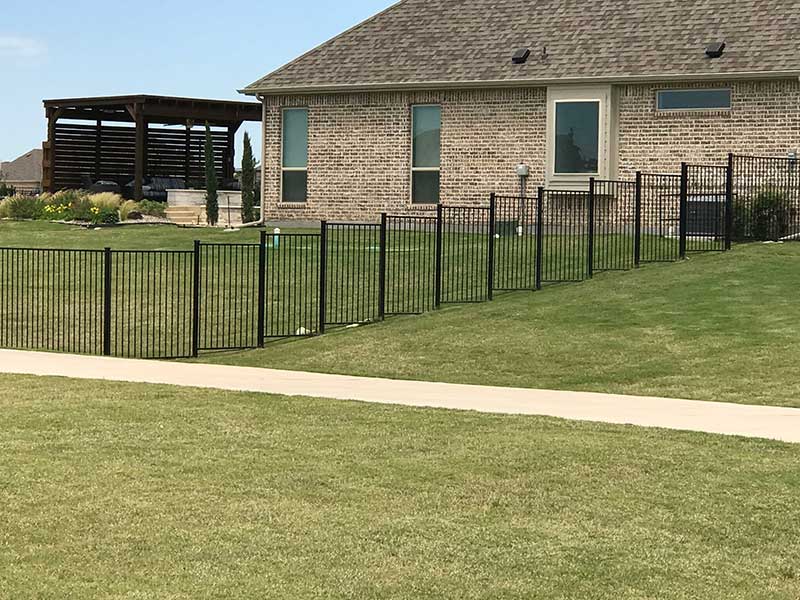
- Ornamental iron — vertical pickets with finials, best for security and curb appeal on formal homes; low maintenance, high cost.
- Wood estate/picket — classic vertical boards, best for front-yard character and moderate privacy; medium maintenance, medium cost.
- Split-rail/ranch — two or three horizontal rails, best for rural boundary marking and livestock cues; low maintenance, low cost.
- Board-on-board privacy — overlapping vertical boards with zero gaps, best for full visual screening; medium to high maintenance, medium cost.
- Mixed wood-and-iron — masonry or wood piers with iron infill, best for estates wanting both privacy and a formal street presence; medium maintenance, high cost.
What Each Estate Fence Style Actually Delivers
Estate fencing does three jobs at once: it marks where your land ends, it discourages the wrong kind of visitor, and it sets the tone for everything behind it. The University of Hawaii’s landscape fencing guidance notes that fences read as strong vertical and horizontal lines in a landscape, so the style you pick either reinforces your home’s architecture or fights it. Here’s what each style actually gets you.
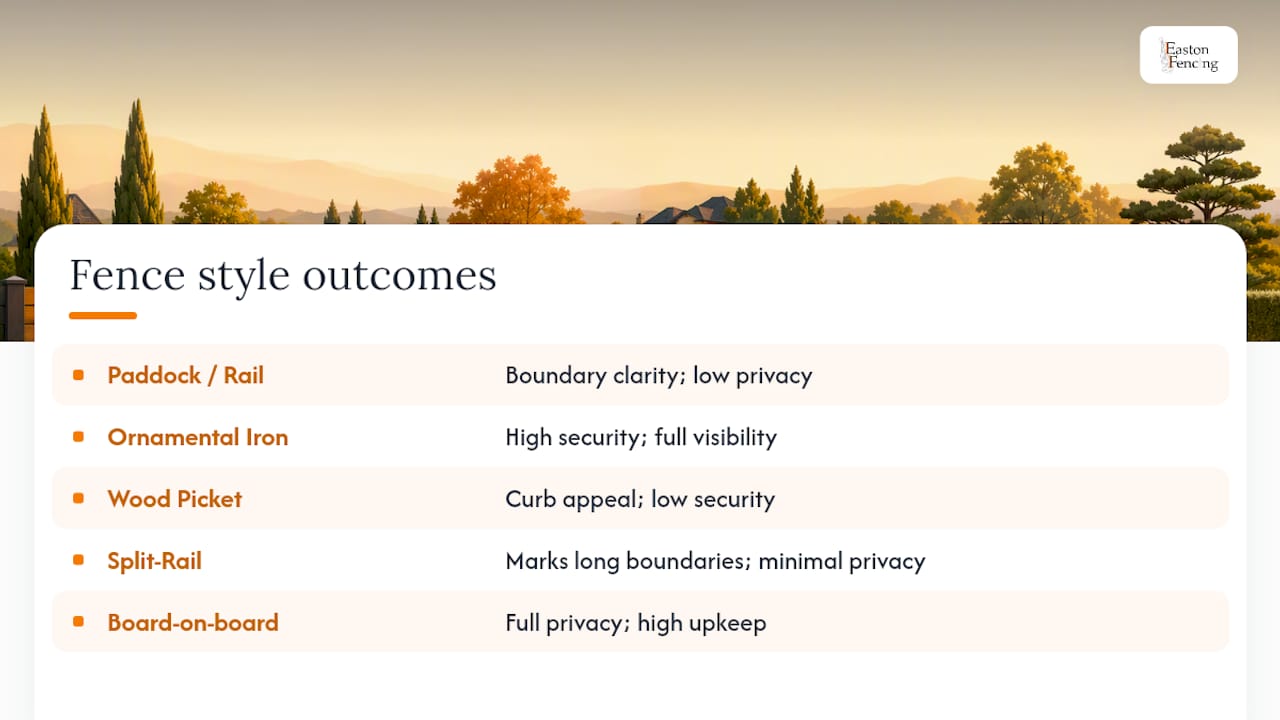
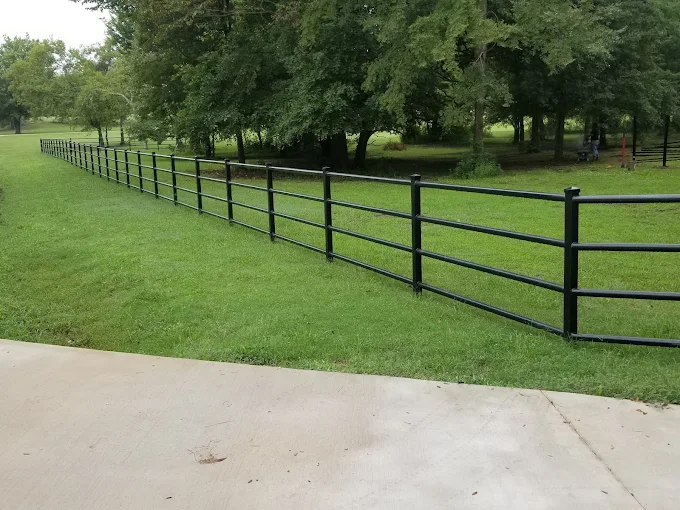
Paddock/estate rail fences typically run 48 to 60 inches high, built from cedar, pine, or vinyl rails on wood or steel posts. They’re the choice for horse properties and large-acreage estates where the goal is boundary clarity, not concealment. Maintenance is minimal beyond post inspection and the occasional rail replacement, and they pair naturally with a wide swing gate for equipment access.
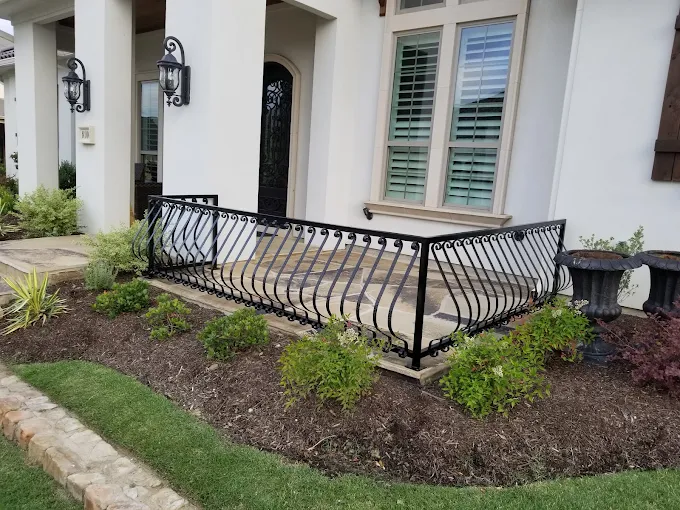
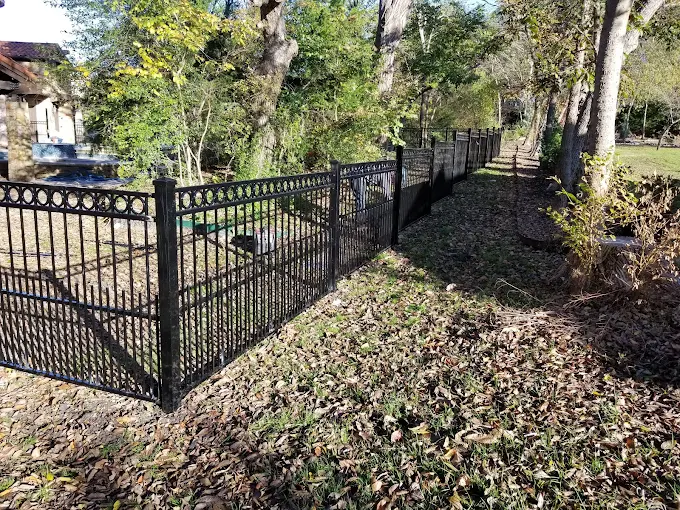
Ornamental iron fences run 4 to 8 feet, built in wrought iron, powder-coated steel, or aluminum. Aluminum resists rust better in humid climates; steel and iron hold up to more physical stress but need periodic rust checks and repainting. This is the highest-security open style: tall pickets with finials block casual entry while keeping full visibility across the yard. FEMA’s crime prevention through environmental design (CPTED) guidance points out that ornamental iron can serve double duty here, decorative on its own, but genuinely protective when paired with gates, lighting, and clearly defined access points. If a section is showing rust bleed or a leaning panel, repairing it before winter beats replacing the whole run.
Wood estate or picket fences sit around 3 to 4 feet at the front, cedar and pressure-treated pine being the two dominant material choices in most regions. Cedar resists rot naturally and takes stain well; pressure-treated pine costs less upfront but needs resealing every two to three years. This style prioritizes curb appeal over hard security, though a taller version (5 to 6 feet) with narrow gaps adds a real privacy layer.
Split-rail or ranch fencing is the lowest-cost option in this list, typically two or three horizontal rails on spaced posts, 3 to 4 feet high. It offers essentially no privacy and modest security, but it’s unmatched for marking long boundaries cheaply while keeping the view open. The University of Georgia’s field guidance on garden and property fencing recommends adding welded wire mesh behind split rails when animal exclusion matters, without sacrificing the open sightline.
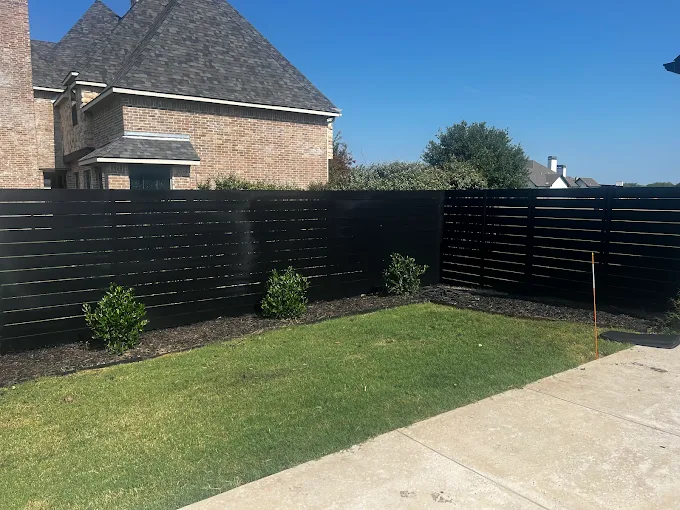
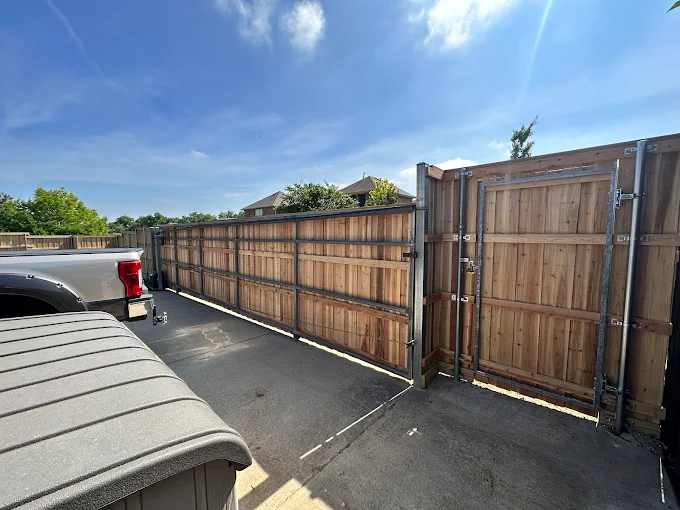
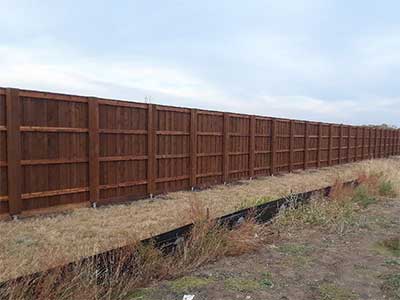
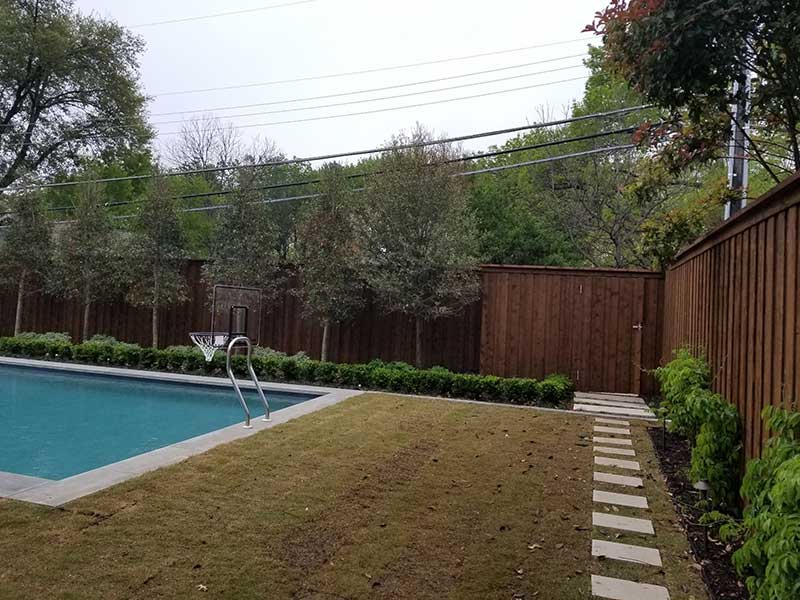
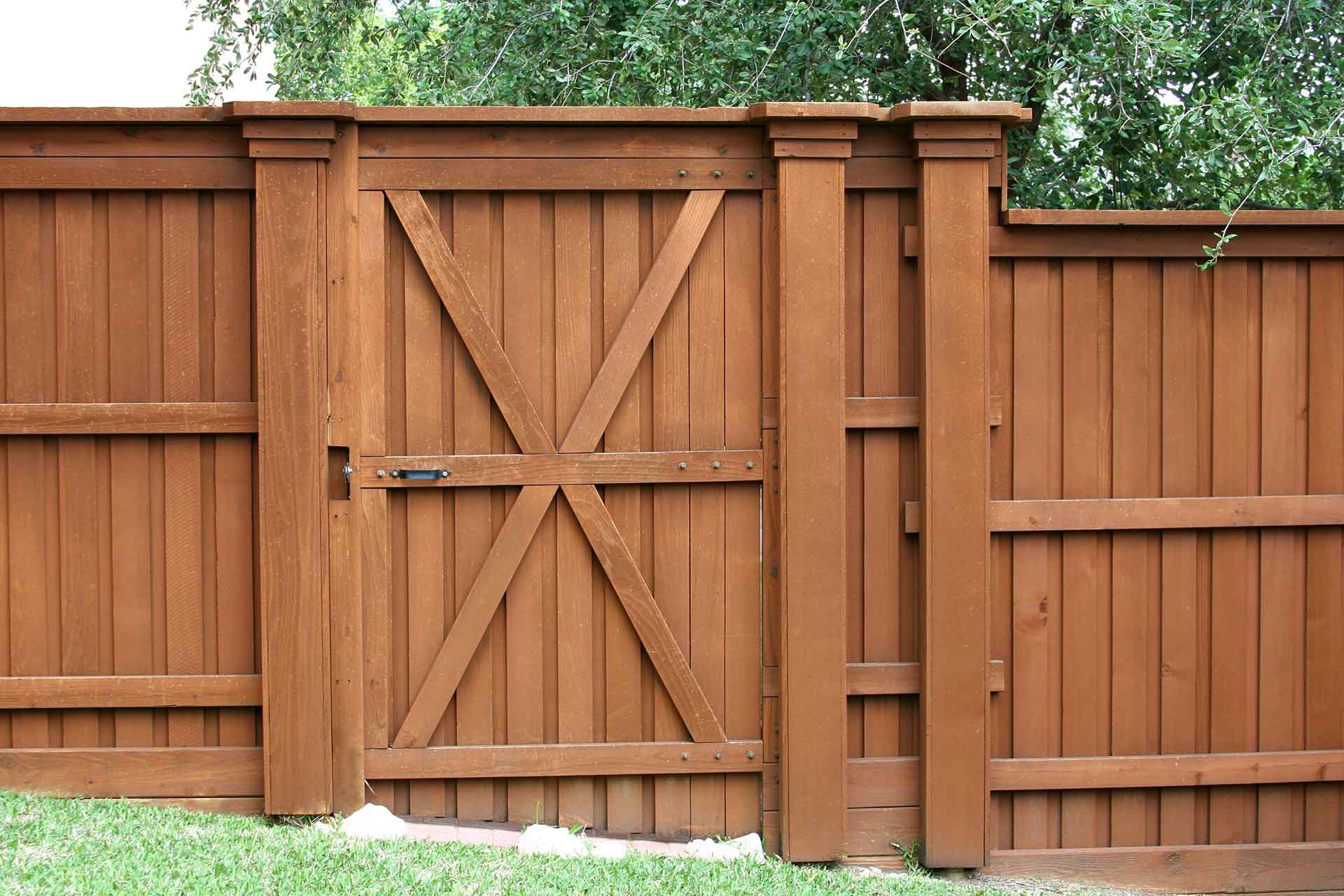
Board-on-board privacy fencing overlaps cedar or pine boards on alternating sides of the rail, eliminating gaps entirely. Heights run 6 to 8 feet. This is the style for full screening from neighbors or a busy road, but solid wood surfaces demand more upkeep, sealing, occasional board replacement, and vigilance against warping, than any open style on this list. If you’re weighing privacy against long-term maintenance, our detailed privacy fence breakdown covers the tradeoffs in depth.
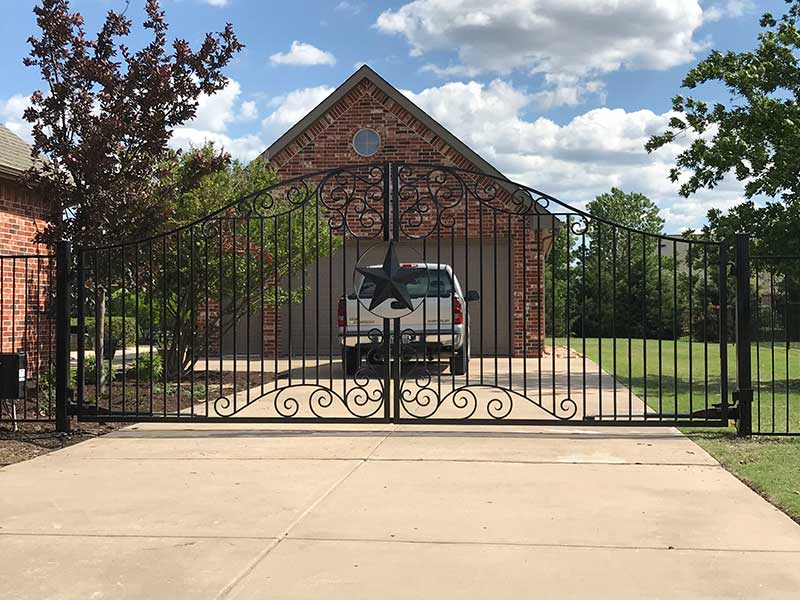
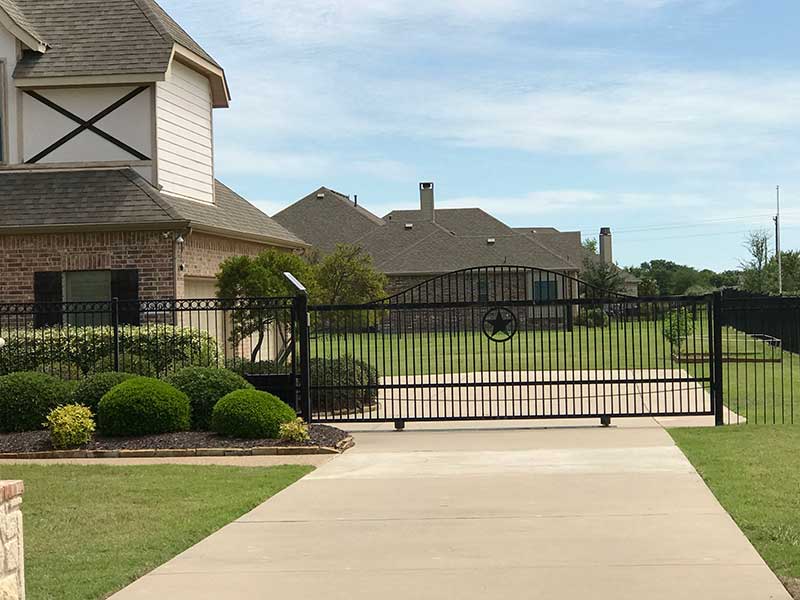
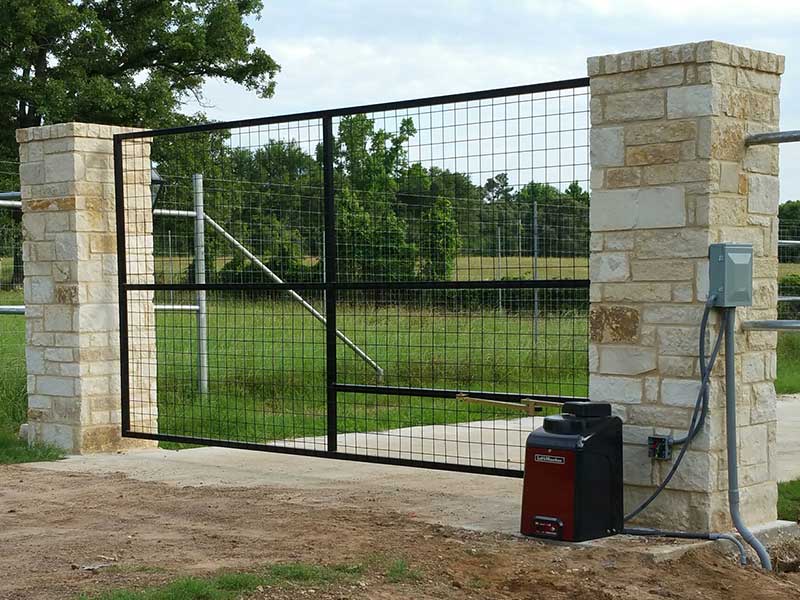
Mixed wood-and-iron fences combine masonry or cedar piers with wrought iron or steel infill panels. They’re the most expensive style here but deliver both a formal entrance statement and functional security, especially useful where a driveway gate needs to match the perimeter. Automated swing or slide gates integrate cleanly into masonry piers; automatic gate installation typically needs 2 to 4 feet of clearance beyond the gate width for swing arms, more for slide tracks.
Any style adjacent to a pool needs separate scrutiny. CPSC’s residential pool barrier guidelines call for a minimum 48-inch barrier height, self-closing and self-latching gate hardware, and restricted opening sizes, rules that apply regardless of which decorative style you prefer.
Choosing the Right Fence for Your Estate
Start with the fence’s primary job, not its appearance. A fence built to stop trespassers looks different from one built to soften a boundary line, and trying to make one style do both jobs usually means compromising on the one that actually matters to you.
- Rank your priority. Privacy, security, boundary marking, animal containment, or curb appeal, pick one lead priority before you pick a material.
- Walk the site. Note slope, exact property lines, sightlines from the street and pool, driveway width, and any existing gate locations.
- Set a lifecycle budget. Compare installed cost against expected maintenance and lifespan; a higher upfront iron fence often beats a cheaper wood fence on 20-year cost.
- Check permits and HOA rules first. Portland’s residential fence permit guidance is a useful example: wood fences over 7 feet and masonry over 4 feet commonly trigger permits, and pool fences almost always require one regardless of height.
- Interview contractors with specific questions. Ask post depth, concrete-setting method, and expected lead time for gate automation.
Pro Tip: If a contractor can’t give you a straight answer on post depth or concrete mix, treat that as a red flag. Post failure, not panel failure, is the most common long-term problem on estate fences.
Designing Around Your Landscape
Long fence runs on sloped estates need a decision up front: step the panels in level sections, or rake them to follow the grade continuously. Stepping keeps the top line visually crisp and works best with formal iron or board-on-board styles; raking suits split-rail and paddock fencing, where a little slope in the line looks natural. Contractor-backed guidance on handling slopes and post depth generally favors stepped panels for anything over a gentle grade.
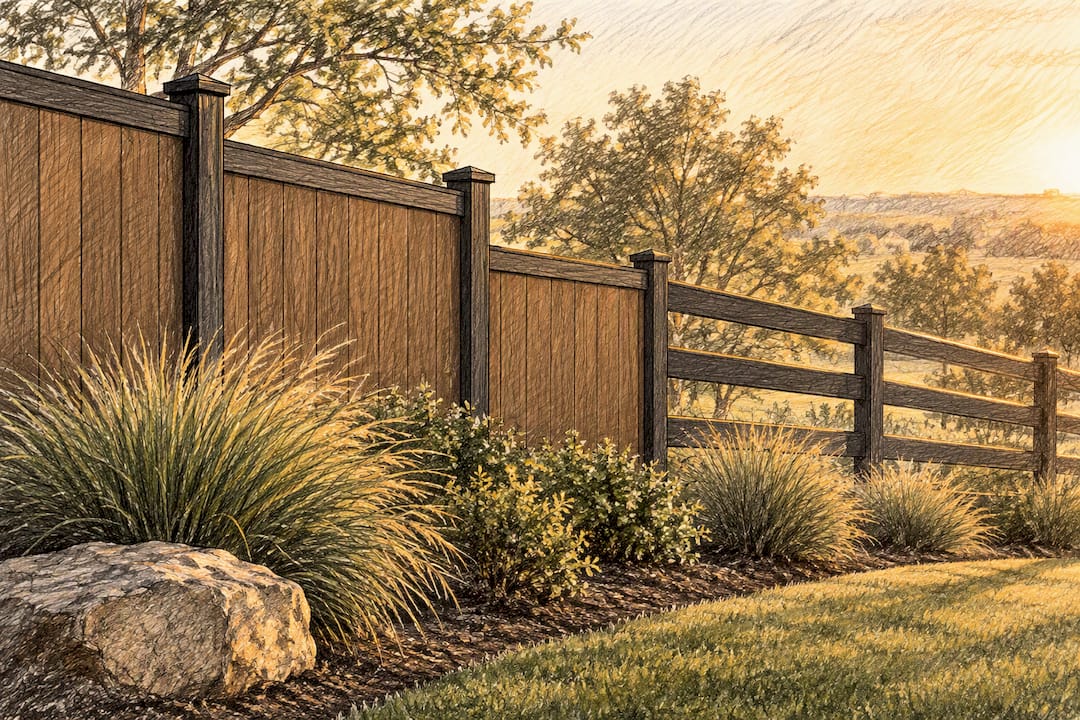
Break up long solid runs with planting beds along the base, this softens the visual weight and cuts perceived cost per foot. FEMA’s CPTED framework also applies directly here: keep sightlines open near entries, define your property edge clearly, and repair damage quickly, since a neglected fence signals an unwatched property. Your driveway gate should read as the focal point of the whole composition, not an afterthought bolted onto the fence line.
Why Easton Fencing’s Craft Approach Matters
Justin here. Over 17 years, A local fencing company has built and repaired wrought iron, custom wood, and mixed-material estate fences across Collin County and the surrounding North Texas communities. Every project, from wrought iron fencing to pool enclosures and automatic gates, is built by in-house, insured crews, no subcontractors, which keeps craftsmanship consistent from the first post to the final gate hinge. Before you call anyone, gather a few photos of your property, your recorded property lines, and a rough idea of your priority (privacy, security, or curb appeal). It saves real time on the estimate.
A Craftsman’s Take on Choosing a Style
Most estate fence regret traces back to picking a look before defining a job. I’ve seen homeowners fall for a wood picket profile because it photographed well, then realize a year later they needed the security an iron or mixed-material fence provides. Purpose first, style second, always. On sloped acreage, stepped iron panels solved a sightline problem that a raked wood fence never would have. Local permit rules and pool codes vary enough by municipality that a quick call to your contractor or building department before you finalize height and hardware choices is worth the ten minutes it takes.
— Justin
Get an Estimate for Your Estate Fence Project
Once you know which style fits your priorities, the next step is putting real numbers to it. A local fence contractor builds wrought iron fencing, custom wood fences, pool enclosures, and automatic gates entirely with in-house crews, no subcontractors passing through your project, contributing to efficient estimates and consistent finished work.
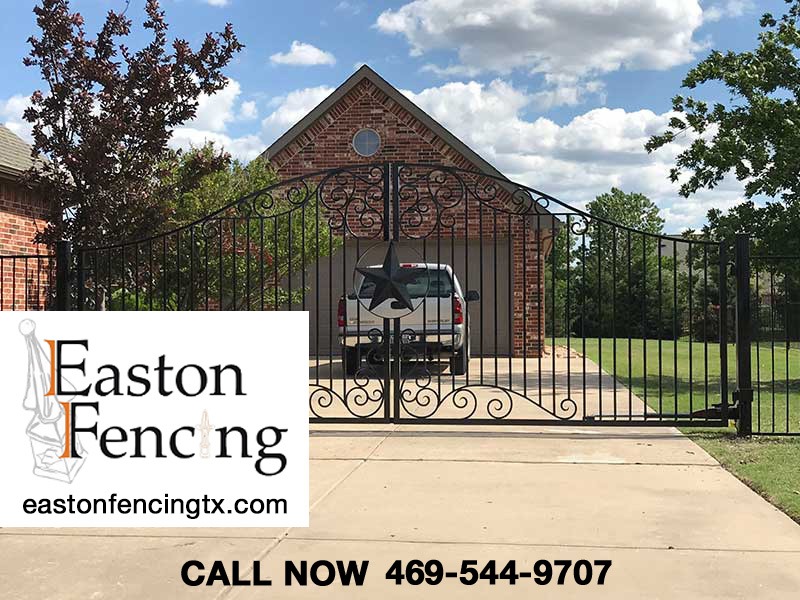
If you’re leaning toward the formal security profile of iron, our wrought iron fencing and custom pool fence services page shows the range of finials, panel spacing, and pier styles available. If wood fits your architecture better, the custom wood fence design and installation page covers cedar and pressure-treated options built for North Texas weather. Before you reach out, gather a few photos of the property line, note your driveway gate width, and jot down whether privacy or security is the priority. Request a free estimate and we’ll walk the site with you.
Standards and Guides Worth Checking Before You Build
- FEMA’s CPTED training materials explain sightline and territoriality principles behind secure fence design.
- CPSC’s pool barrier guidelines set the minimum safety rules for any pool-adjacent fence.
- The American Fence Association lists industry standards and directories for verifying contractor credentials.
- Portland’s municipal permit page is a useful example of how height triggers permit requirements locally.
Sources
- Hort Digest #103: Fences in the Landscape (University of Hawaii)
- FEMA CPTED training materials
- Garden Fencing | CAES Field Report (UGA)
- Safety Barrier Guidelines for Residential Pools | CPSC
- Portland
FAQ
What Is an Estate-Style Fence?
An estate-style fence is a boundary structure built at a scale and finish appropriate for large or upscale properties, commonly ornamental iron, mixed wood-and-iron, or paddock rail. It’s designed to handle security, privacy, or land demarcation while reinforcing the home’s architectural character, as the University of Hawaii’s landscape fencing guidance notes about fences acting as strong visual lines on a property.
What Are the Different Types of Fence Styles?
The main types are paddock/estate rail, ornamental iron, wood estate or picket, split-rail/ranch, board-on-board privacy, and mixed wood-and-iron. Each serves a different lead purpose, open styles like split-rail and iron favor visibility and boundary marking, while board-on-board and mixed styles prioritize privacy and formal security.
What Fence Trends Are Popular for 2026?
Mixed wood-and-iron combinations, masonry piers paired with steel or iron infill, continue gaining ground on estates that want both privacy sections and open, formal entry statements. Automated gates integrated into these designs are increasingly standard rather than an add-on, particularly for automatic gate installations on long driveways.
What Type of Fence Adds the Most Value?
Ornamental iron and mixed wood-and-iron fences tend to add the most perceived value on upscale properties because they combine visible security with a formal architectural statement at the entrance. Wood privacy fencing adds value primarily through usable outdoor living space rather than curb-facing appeal.
Do I Need a Permit for an Estate Fence?
It depends on your fence height and material, but many municipalities set a permit trigger around 7 feet for wood and 4 feet for masonry, and pool fences almost always require a permit regardless of height. Check your local building department before finalizing height or gate hardware, since rules like Portland’s fence permit guidance vary by city.