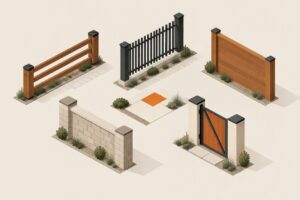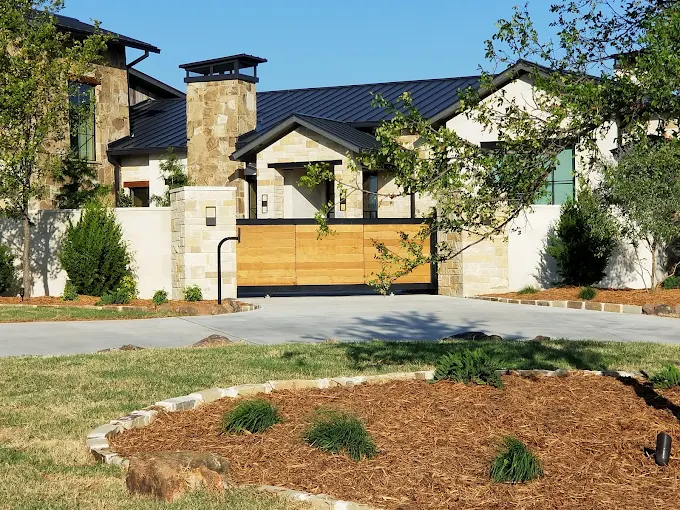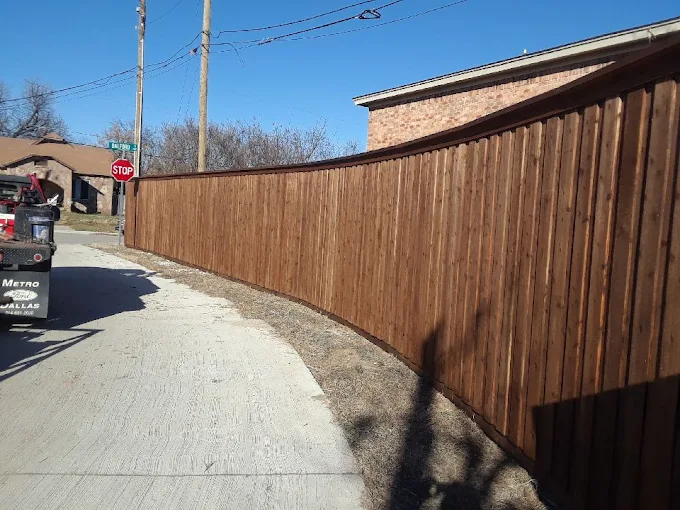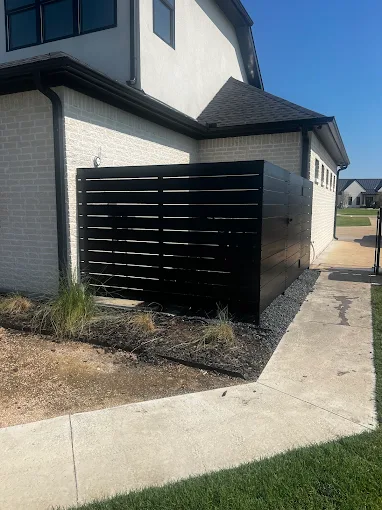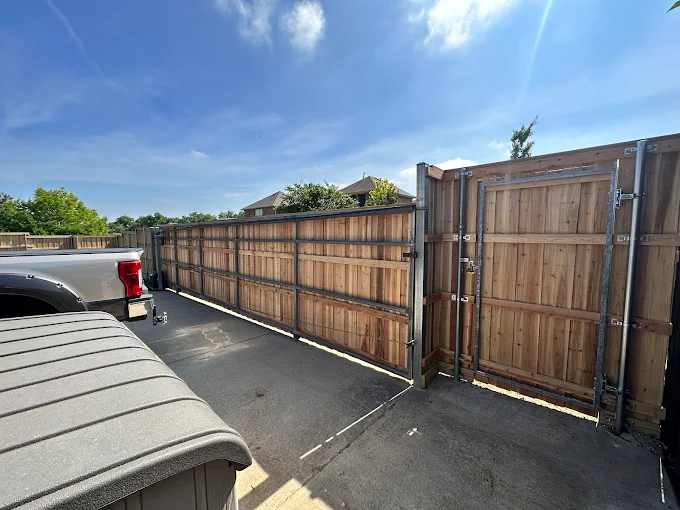
Privacy fence ideas for maximum privacy, board-on-board wood is the standard. For the lowest upkeep, vinyl or composite panels win. For a modern look that still blocks sightlines, horizontal slats on a metal frame deliver both. Each solves a different problem, and picking the wrong one for your goals is the most common regret we hear from homeowners after the fact.
Before you fall in love with a design, know the ceiling you’re working under. A 6-foot fence is the common standard before many municipalities require a permit, though limits vary by city and lot type. Check your HOA rules first, since they often restrict material and color before the city even weighs in, and call 811 at least two business days before any digging.
Before you sketch a single panel, run through this:
- Pull your HOA’s fence guidelines (material, height, color restrictions)
- Measure the full run length, including corners and slopes
- Note where you’ll need gates for equipment, pets, or side-yard access
- Call 811 to get utility lines marked
Key Takeaways
The right privacy fence matches material and design to your specific goal, whether that’s maximum opacity, low upkeep, noise reduction, or security, and it depends on site-correct installation to deliver on that goal long-term.
| Point | Details |
|---|---|
| Match material to goal | Choose board-on-board for total privacy, vinyl or composite for low upkeep, metal slats for a modern look. |
| Watch the height threshold | About six feet is a common fence height where permits may be required; lattice toppers add height without extra bulk. |
| Budget for upkeep, not just install | Wood needs restaining every 2 to 3 years; vinyl and metal need far less attention. |
| Check HOA and code before building | Verify covenants and municipal rules, then call 811 before digging. |
| Hire for installation quality | Easton Fencing uses in-house crews and soil-adjusted footings for cedar and iron privacy fences across Collin County. |
Table of Contents
- Privacy Fence Design Ideas by Material
- Designing a Fence That Fits Your Lot
- What Privacy Fences Cost to Install and Maintain
- Permits, HOA Rules, and Utility Marking: The Planning Checklist
- What 17 Years of Fence Installation Has Taught Us
- Privacy Trade-Offs Across Fence Materials
- Sustainability Considerations for Fence Materials
- Security Benefits of a Well-Built Privacy Fence
- Which Fences Actually Reduce Outside Noise
- Editorial Take: What Fence Design Guides Get Wrong
- Get a Design-Ready Fence Built by Easton Fencing
- FAQ
Privacy Fence Design Ideas by Material
The material you choose shapes everything downstream, from how much privacy you actually get to how often you’ll be out there with a paintbrush. Here’s how the main categories stack up, with specific styles worth considering for each.
1. Board-on-Board Wood
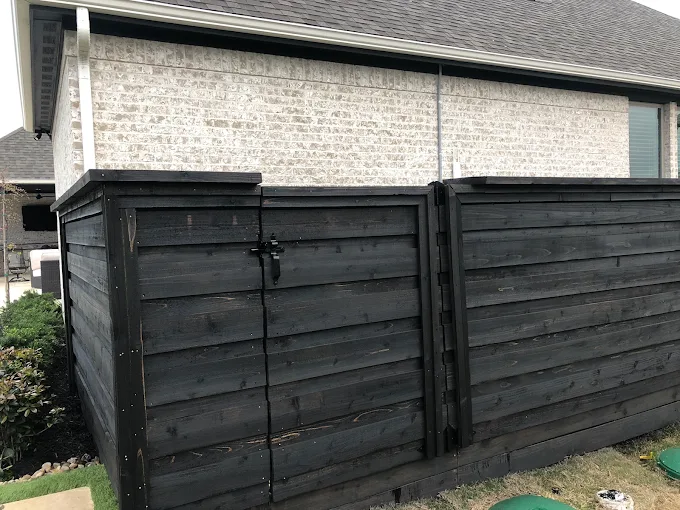
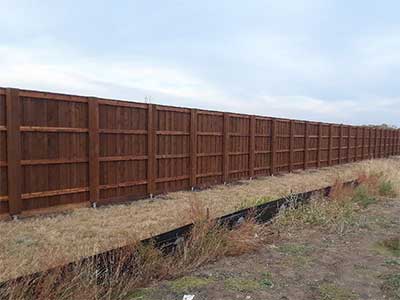
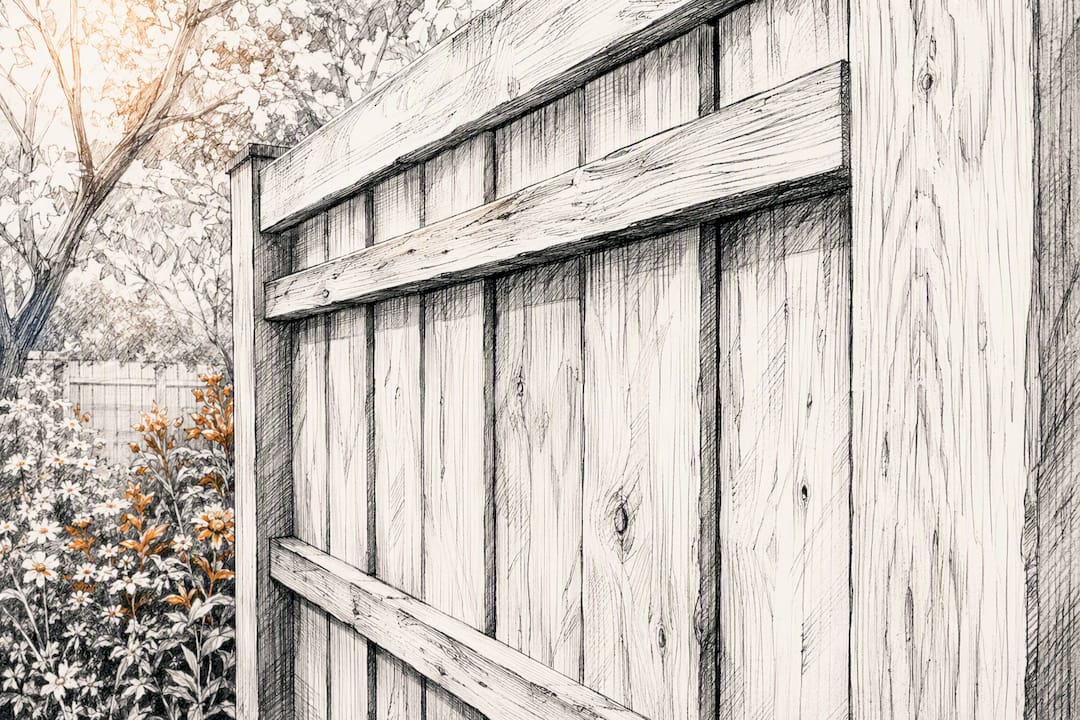
This is the gold standard for total opacity. Boards overlap on alternating sides of the rail, so there’s no sightline through the fence from any angle, even as the wood shrinks slightly over time. Board-on-board ranks highest for privacy among wood styles, and it holds up well structurally because the overlapping boards distribute wind load better than a flat, solid panel would.
2. Shadowbox (Good Neighbor) Fencing
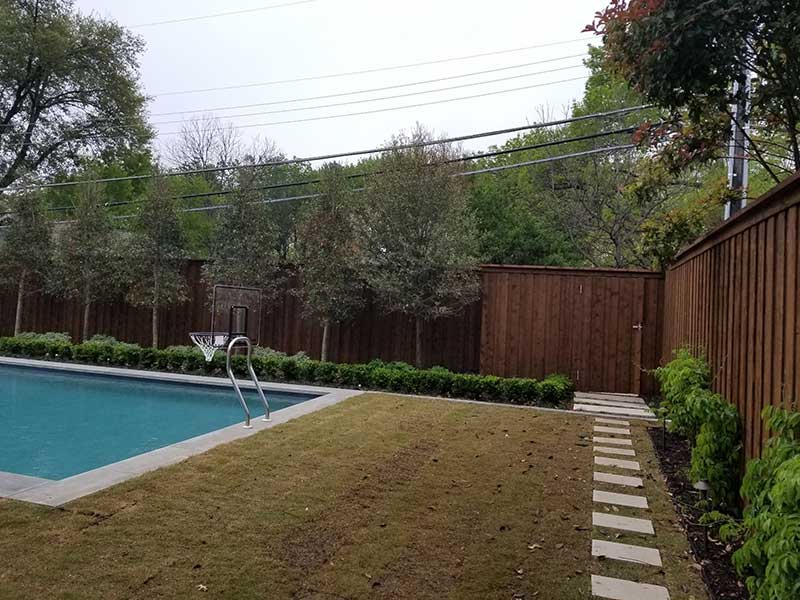
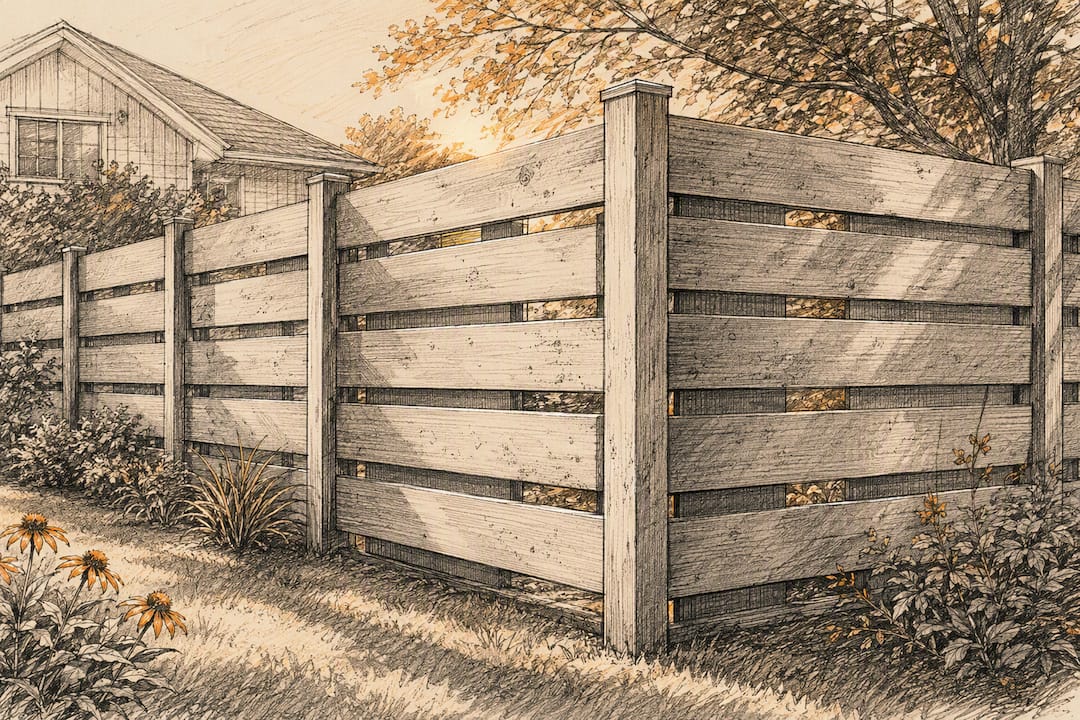
Boards alternate front and back on the same rail, leaving small gaps you can’t see through straight on but that let air move freely. Shadowbox looks finished on both sides, which matters if you share a fence line and want to stay on good terms with whoever’s looking at it from their yard. It also handles wind better than a solid panel, a real advantage if you’re in an area that gets seasonal gusts.
3. Tongue-and-Groove and Lattice-Top Wood
Tongue-and-groove boards interlock for a cleaner, gapless look than standard board-on-board, though it costs more in material and labor. Adding a lattice topper on a 5 to 6 foot solid section is a popular way to gain visual height and airflow without the heavy, boxed-in feeling of a full 8-foot wall. Cedar resists rot and insects naturally, while pressure-treated pine costs less upfront but needs more consistent sealing.
Pro Tip: Set your finish schedule before the fence goes up, not after. Cedar should get its first sealant coat within 60 to 90 days of installation, and pressure-treated pine needs a full season to dry before it will accept stain properly. Applying stain too early on treated lumber can result in peeling.
4. Vinyl and Composite Panels
Solid-panel vinyl gives you the same opacity as board-on-board without the recoating cycle. It won’t rot, warp, or attract termites, but it does expand and contract with temperature, so installers need to leave gap allowances (roughly 1/8 inch per 10 feet of run) to prevent buckling during summer heat. Horizontal composite slats are a newer take that reads more contemporary than a traditional picket-style panel, and vinyl requires relatively low maintenance compared to wood over a 15 to 20 year span.
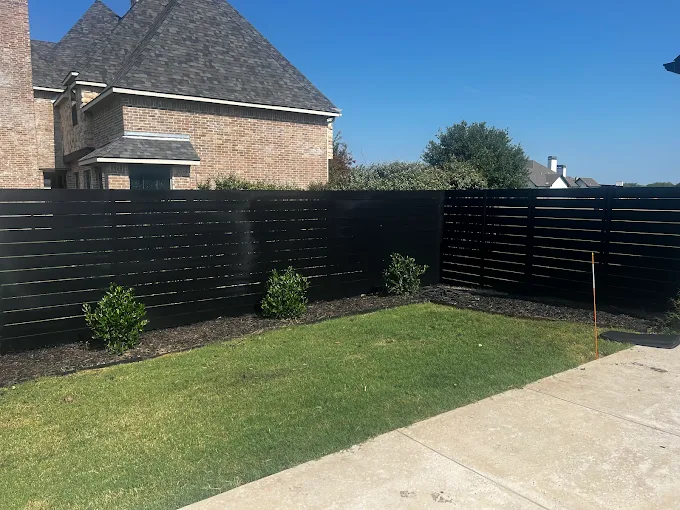
5. Metal Frames With Horizontal Slats
This is where 2026 design trends are concentrated. Aluminum or steel frames holding horizontal wood or composite slats give you a clean, architectural look that reads modern without sacrificing privacy, and horizontal slat fences and mixed-material designs are increasingly common in new builds. Corten steel panels, which develop a stable rust patina over time, work well for homeowners chasing an industrial aesthetic. Laser-cut decorative metal panels can add pattern interest to an otherwise plain run without compromising coverage.
6. Masonry and Hybrid Walls
Stuccoed concrete masonry unit (CMU) walls offer near-total privacy and sound dampening but come with the highest cost and the most involved permitting, since taller masonry walls typically require engineered drawings. Stone columns paired with wood infill panels split the difference, giving you masonry’s permanence at the corners with wood’s lower cost across the span. Gabion walls, wire cages filled with stone, have become a favorite for contemporary and industrial-style yards.
7. Living Screens and Soft Boundaries
Rows of arborvitae planted 3 to 4 feet apart create a dense green wall within a few growing seasons. Clumping bamboo (never running varieties, which spread aggressively) offers faster coverage but needs a root barrier. Trellis panels with climbing vines like clematis or climbing hydrangea work well layered in front of a solid fence to soften the hard edge, and mixed-material fences pairing wood, metal, and stone are one of the more distinctive looks we’re seeing homeowners request.
8. Small-Space Solutions
For decks, patios, and narrow side yards, freestanding privacy screens and trellis panels give you targeted coverage without a full fence run. Outdoor curtains on a track offer flexible, removable privacy for a pergola or covered patio. Planter walls, essentially raised beds built tall enough to hold large shrubs, double as a screen and a garden bed.
Designing a Fence That Fits Your Lot
A good design idea only works if it survives contact with your actual yard. Height, slope, and sightlines all change how a style performs once it’s in the ground.
Going taller than 6 feet buys more privacy but changes how the yard feels from the inside. Designers note that the most effective privacy fence isn’t always the tallest one; a solid 6-foot base with a lattice topper adds 12 to 18 inches of height and screening without the boxed-in effect a full 8-foot solid wall creates. That combination often gets you the coverage you want while staying under the height threshold that triggers a permit in many jurisdictions.
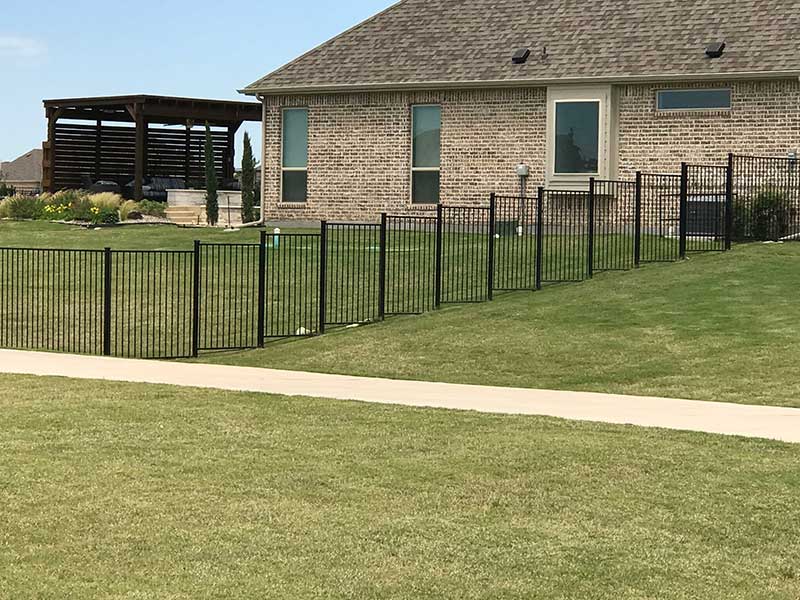
Sloped lots need one of two approaches. Stepped panels keep each section level and let the top line follow the grade in visible steps, which reads cleaner on steeper slopes. Raked (or racked) panels angle the boards to follow the slope continuously, giving you a smoother line with no gap at the bottom. Either way, post embedment depth has to stay consistent even as the grade changes, which means adjusting hole depth section by section rather than digging every post to the same measurement.
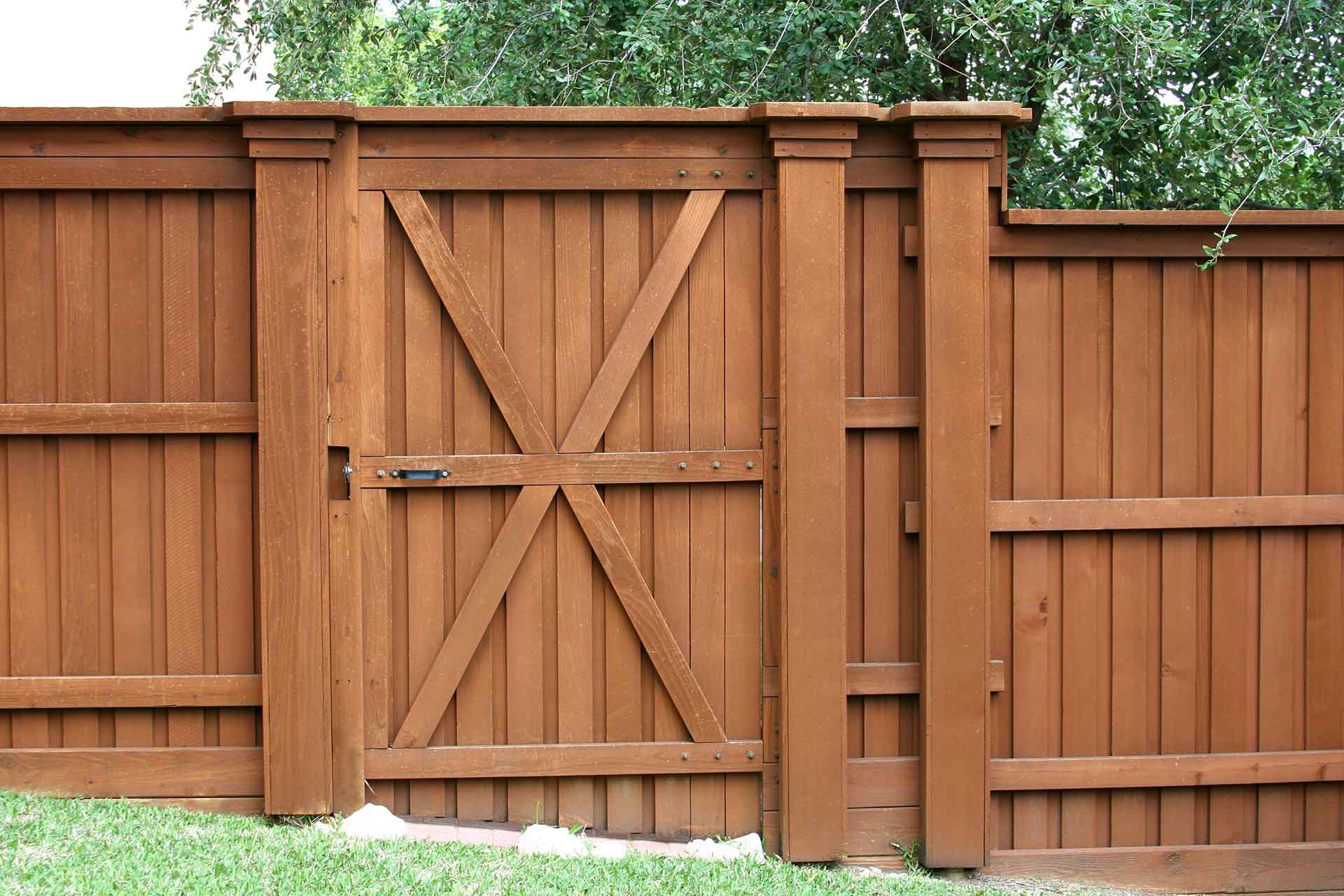
Gates deserve more planning than most homeowners give them. Size the opening to your actual use, a standard 4-foot walk gate for foot traffic, and a wider double-swing or slide gate if you need equipment or vehicle access. Coordinate gate placement with your driveway and main walkways before you finalize post locations, since moving a gate after the fence is set means re-digging.
- Plant fast-growing shrubs along the base to soften hard fence lines within one to two seasons
- Stagger planting heights so the landscape reads naturally instead of like a straight hedge
- Leave a maintenance strip between plantings and wood fencing to reduce moisture contact with the boards
Pro Tip: If you’re building near a covered patio or trying to carve out a private nook without walling off the whole yard, look at how designers create separation in open-plan spaces using partial screens and sightline breaks rather than full enclosure. The same logic applies outdoors: a partial screen at the right spot can do more for perceived privacy than extending the whole fence line.
What Privacy Fences Cost to Install and Maintain
Material choice determines both what you pay upfront and how much time you’ll spend maintaining it over the next decade. Here’s how the main options compare on real-world upkeep.
- Wood: Needs restaining or repainting every 2 to 3 years to prevent graying and moisture damage; cedar holds finish longer than pressure-treated pine.
- Vinyl and composite: Requires occasional washing and a check for expansion-gap issues after extreme heat, but no sealing or painting.
- Metal: Coating and weld points should get an annual visual check for rust or wear, especially in humid climates.
- Masonry: Minimal upkeep beyond occasional sealing on stucco or mortar joints.
- Living fences: Needs regular pruning, and clumping bamboo may need root-barrier maintenance every few years.
Installed costs vary widely by material, height, and local labor rates, but the general pattern holds across most markets: wood and chain link with privacy slats sit at the budget end, vinyl and composite land in the middle, and metal-frame or masonry walls run highest due to material and labor complexity. Longer runs, taller heights, sloped lots, and gate additions all push a project up from the baseline estimate.
Wood makes sense if you want the lowest entry cost and don’t mind the recoating cycle, or if you’re planning to sell within five to seven years and don’t need the fence to outlast you. Vinyl and composite earn back their higher upfront cost when you factor in 15 to 20 years without a repaint, which matters more if you’re staying put long-term.
Underneath any material, the footing does the real work. Post embedment should put about a third of the total post length below grade, and that number needs to move for your specific soil. Expansive clay, common across large parts of Texas, requires wider and sometimes deeper footings to keep posts from leaning as the ground swells and contracts seasonally. Ask any contractor bidding your job what embedment depth and concrete mix they’re planning for your soil type specifically, not a generic answer.
Permits, HOA Rules, and Utility Marking: The Planning Checklist
Skipping this step is how privacy fence projects turn into removal orders. Two separate approvals stand between your idea and a finished fence, and they’re not the same thing.
- Check HOA covenants first. Many communities restrict fence material, color, and even style, sometimes more strictly than the city does. An HOA can require removal of a fence that’s perfectly legal by municipal code if it violates a covenant you didn’t check.
- Verify municipal building code requirements. Cities set their own rules for height limits, setback distances from property lines, and when a permit is required. Failing to verify these before building can lead to mandatory removal orders, which costs far more than the permit fee ever would have.
- Get a professional boundary survey before building anywhere near an apparent property line. A fence built even a few inches over the line can become a legal dispute with a neighbor down the road.
- Call 811 at least two business days before digging. This is free, and skipping it risks striking gas, electric, or water lines, a hazard that can cause injury and leaves you liable for repair costs.
Fences taller than 6 feet or masonry walls of any significant height often require engineered drawings and a formal permit review, which adds time to your project timeline. Build that lead time into your schedule before you commit to an installation date.
What 17 Years of Fence Installation Has Taught Us
At Easton Fencing, we’ve built cedar and iron fences across Collin County long enough to know that the fence that looks great on day one and the fence that still looks great in year ten are not always the same design decision. Soil type, sun exposure, and drainage on your specific lot all change what “the right fence” means.
A few things we always check before we recommend a material or style:
- How the soil on your lot handles moisture, since expansive clay changes footing requirements
- Sun and wind exposure along the fence line, which affects wood finish life and metal coating wear
- Whether ground-contact lumber is properly AWPA-rated for the application
If you’re interviewing contractors, ask about embedment depth, ground-contact treatment standards, warranty terms, and whether the crew installing your fence is actually in-house or subcontracted. That last question tells you more about accountability than almost anything else on the list.
Privacy Trade-Offs Across Fence Materials
No material wins on every measure, and the trade-offs matter more than any single spec sheet number.
Solid wood board-on-board and vinyl panels both deliver near-total visual privacy the day they’re installed, with no gaps to close over time the way a living screen needs. Their downside is rigidity: once it’s up, it’s up, and changing your mind about height or style means a rebuild. Metal-frame horizontal slat fences offer strong privacy while allowing more airflow through small gaps, which some homeowners prefer in hot climates, but the trade-off is a narrower sightline gap that a determined viewer at the wrong angle can sometimes see through.
Masonry walls offer the most absolute privacy and the best sound dampening of any option, but they’re the least forgiving if you want to adjust the design later and the most expensive to build correctly. Living screens take the longest to reach full effectiveness, often two to four growing seasons, but they keep improving over time rather than degrading, and they’re the only option that gets denser instead of weathering down. Chain link with privacy slats is the budget floor: functional screening at the lowest material cost, but the least durable and least private of the group.
Sustainability Considerations for Fence Materials
Cedar is a renewable resource and, when sourced from responsibly managed forests, has a lower manufacturing footprint than vinyl or metal. It’s also biodegradable at end of life, unlike vinyl, which persists in landfills for a long time after removal. Pressure-treated pine uses chemical preservatives to resist rot, which extends service life but raises questions some homeowners weigh when choosing between treated lumber and naturally rot-resistant cedar.
Vinyl and composite fencing last decades without replacement, which reduces the lifecycle impact of repeated rebuilds even though the manufacturing process is petroleum-based. Composite products that incorporate recycled wood fiber and plastic reduce virgin material use compared to solid vinyl. Metal fencing, particularly steel and aluminum, is highly recyclable at end of life, and many products already contain recycled content.
Living fences are the clear sustainability leader where space and climate allow them. Arborvitae and similar screening plants sequester carbon, support local pollinators, and moderate yard temperature through shade and evapotranspiration, benefits no manufactured material can replicate. The trade-off is water use during establishment and the multi-season wait for full coverage, which rules them out for homeowners who need privacy immediately.
Security Benefits of a Well-Built Privacy Fence
A solid privacy fence does more than block views. Height and opacity together remove the ability of anyone outside your property to case a yard, identify unlocked doors, or spot valuables left outside, which is a meaningful deterrent on its own. Combine that with a locking gate and you’ve closed off the easiest points of entry a property offers.
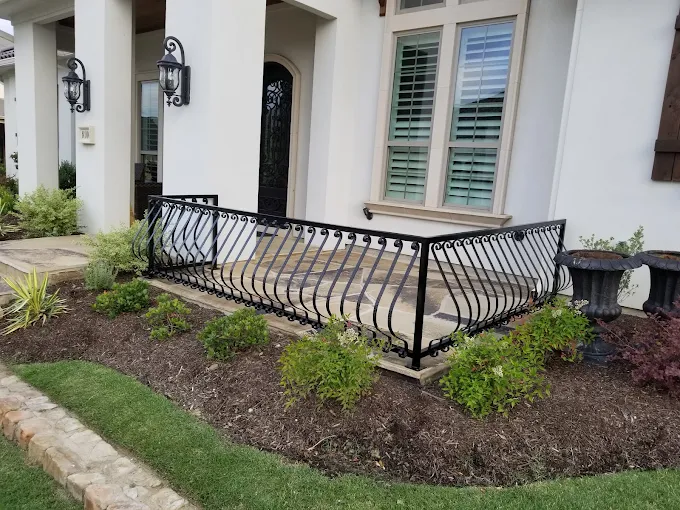
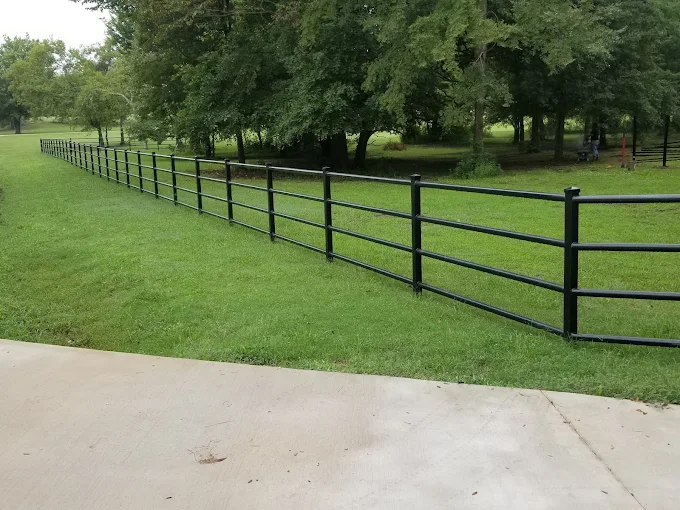
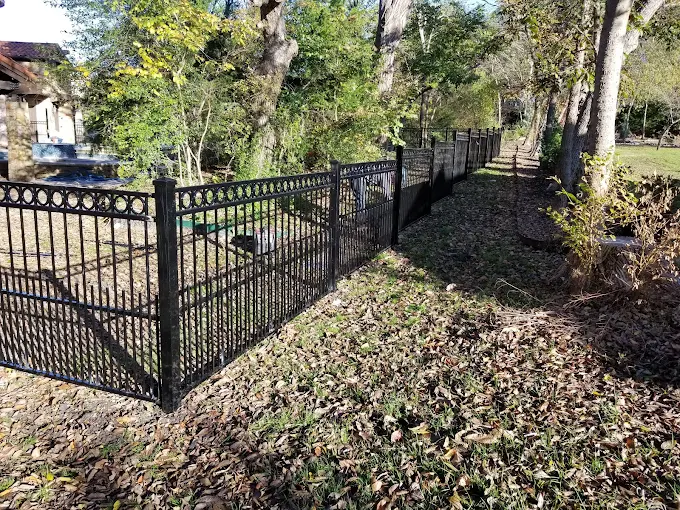
Metal fencing, particularly wrought iron, adds a security layer wood and vinyl can’t match: it’s far harder to breach or cut through, and it holds up to impact without the splintering or cracking a wood panel can suffer. For properties where security is as much a priority as privacy, pairing a solid wood or vinyl run along sightlines with iron detailing near gates and entry points gives you both benefits without over-building the whole perimeter in metal.
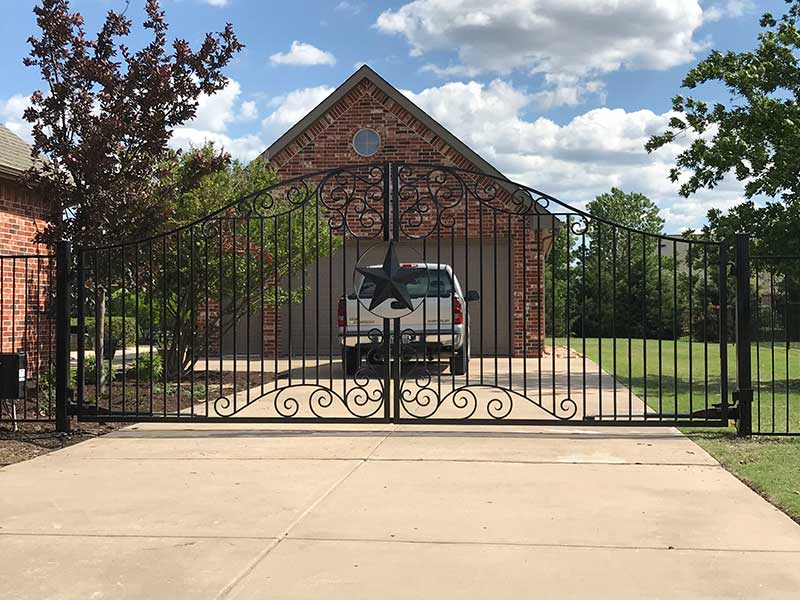
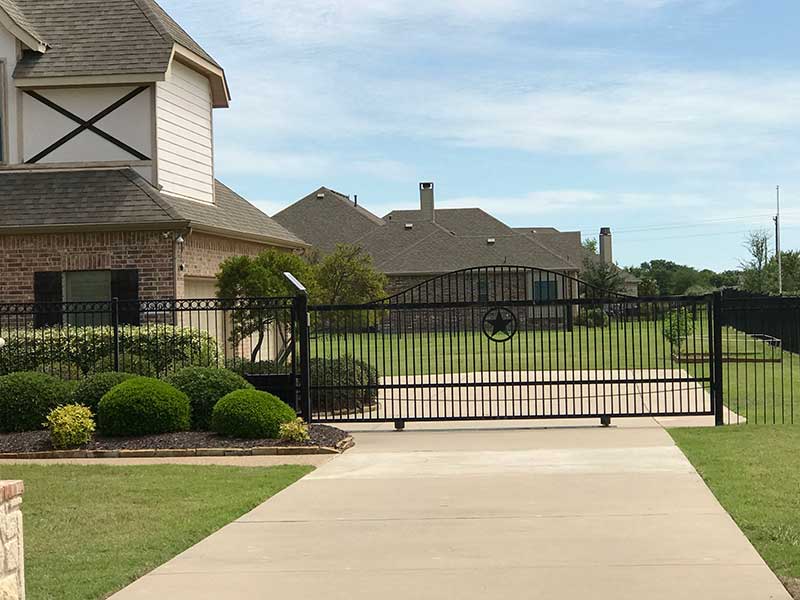
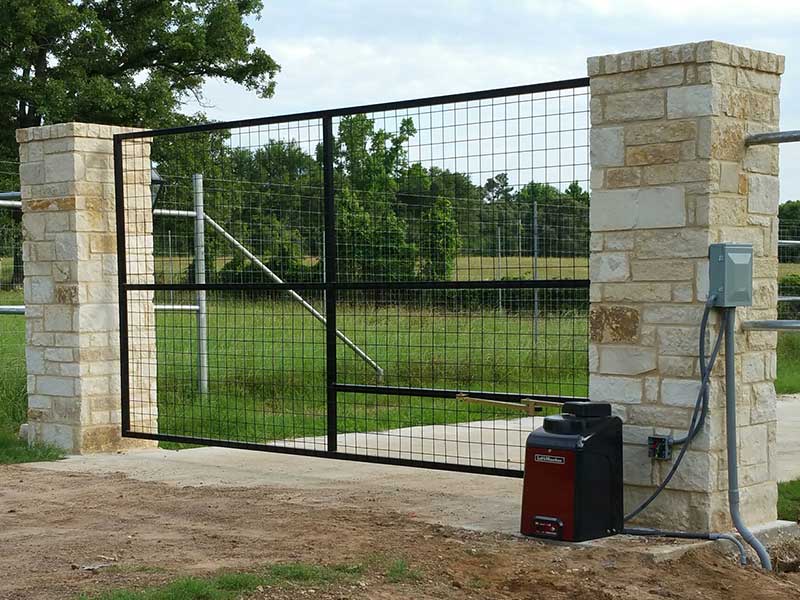
Automatic gates add another layer, since they remove the human error factor of a gate left open or unlatched. A keypad or remote-operated gate keeps access controlled without anyone needing to manually secure it every time. If security is a driving factor in your fence project, it’s worth discussing automatic gate options alongside the fence material itself, since the two work as a system rather than separate decisions.
Which Fences Actually Reduce Outside Noise
Mass and density are what block sound, not height alone. Solid masonry walls perform best here, since dense material with no gaps reflects and absorbs sound waves more effectively than any wood or metal option. Solid-panel wood and vinyl fences come next, particularly board-on-board styles with no through-gaps, and they noticeably soften traffic and street noise for yards near busy roads.
Fences with intentional gaps, shadowbox styles, horizontal slats, or lattice tops, let more sound through even though they block sightlines well. If noise is your primary concern rather than visual privacy, prioritize a solid, gapless design over a style chosen purely for its look. Layering matters too: homeowners near busy roads increasingly pair a solid fence with dense plantings, since a planted buffer in front of or behind a solid fence adds absorption a fence alone can’t provide. Neither element does the whole job by itself.
Editorial Take: What Fence Design Guides Get Wrong
Most privacy fence content treats height as the whole conversation, taller equals more private, when the real variable is opacity paired with intentional design. A 6-foot board-on-board fence with a lattice cap often outperforms an 8-foot solid wall in practice, because it solves the sightline problem without creating the tunnel effect that makes a yard feel smaller.
The bigger gap in most guides is installation. Plenty of articles show gorgeous photos of horizontal slats and mixed-material designs without mentioning that expansion gaps, soil-adjusted footings, and embedment depth determine whether that design still looks good in five years. A beautiful fence built on shallow footings in expansive clay is a leaning fence within two seasons.
If you take one thing from this piece, prioritize the site conditions before the aesthetic. Get your soil, slope, and property lines sorted first. The design ideas will still be there once you know what your ground can actually support.
— Darian
Get a Design-Ready Fence Built by Easton Fencing
Every idea in this piece works better when it’s installed by a crew that adjusts for your specific soil, slope, and climate rather than following a generic spec sheet. Easton Fencing has spent over 17 years building cedar and iron fences across Collin County, and every project is handled by our own in-house craftsmen, never subcontractors, so the person quoting your job is accountable for the finished result.
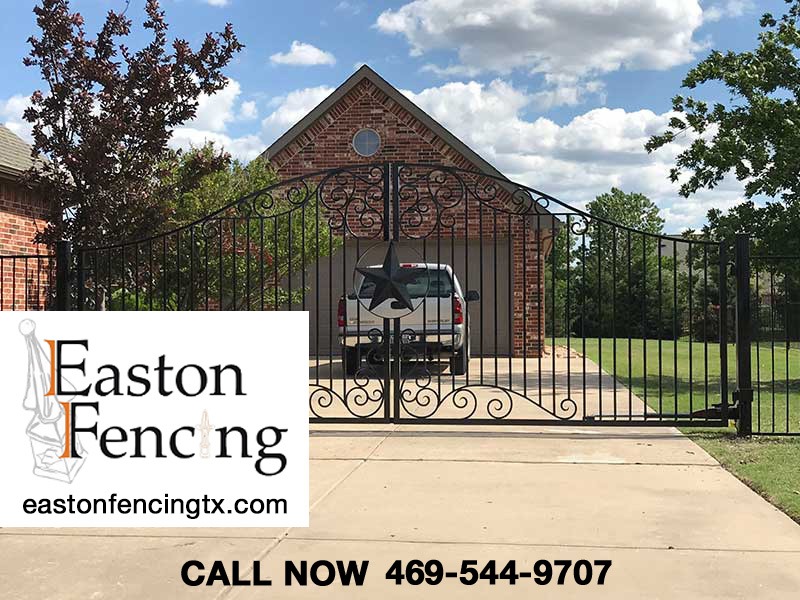
Whether you’re leaning toward board-on-board cedar for maximum privacy or a wrought iron and wood hybrid for a more custom look, we build to the embedment depth and footing spec your soil actually requires, not a one-size-fits-all number. Browse our gallery of completed projects for design inspiration drawn from real North Texas yards, then request a fast, free estimate through Easton Fencing to get your project scheduled.
FAQ
What is the best privacy fence style for maximum privacy?
Board-on-board wood fencing gives near-total opacity because boards overlap on alternating sides, blocking sightlines and allowing accommodation for wood shrinkage.
How tall can a privacy fence be without a permit?
Fence height limit without permit varies but is often around six feet in many jurisdictions, though rules vary by city; check your municipal code and HOA covenants before finalizing height.
What is the lowest-maintenance privacy fence material?
Vinyl and composite panels need only occasional washing and no staining or painting, making them the lowest-upkeep option over a 15 to 20 year span.
Does a privacy fence reduce noise from the street?
Solid, gapless materials like masonry or board-on-board wood reduce noise best; styles with gaps, like shadowbox or lattice-top, block sightlines but let more sound through.
How deep should fence posts be set?
A common rule is embedding roughly one-third of the total post length below grade, though soil type and local frost lines can require deeper or wider footings.
Should I hire a contractor for a privacy fence installation?
A professional installer like Easton Fencing adjusts post embedment and footing depth to your soil conditions, which matters more for long-term stability than the design itself.