If you own a home in a North Texas community like Lucas, Parker, or Fairview, you have probably thought about adding a fence or replacing the one you have. Maybe you want more privacy from a busy street, a safe place for your kids and pets, or simply a cleaner look along your property line. The challenge for most homeowners is not deciding they want a fence. It is figuring out how to get HOA approval for a fence without the process dragging on for months or ending in a denial letter. This guide walks you through every step, from reading your community’s rules to submitting a proposal that gets approved. It covers Texas state laws that protect your rights, the materials most likely to pass review in Collin County neighborhoods, and what happens if you skip the process entirely. I have helped hundreds of homeowners through this exact situation, and the path forward is clearer than it might seem right now.
Why HOA Approval Matters Before You Build
Over 30 percent of all HOA compliance issues involve fences. That makes fencing one of the most heavily regulated home improvements you can undertake. Your homeowners association has real legal authority here. They can issue fines that accumulate daily, demand removal of a non-compliant fence at your expense, and in serious cases, file a lawsuit against a homeowner who refuses to cooperate. The old idea of asking for forgiveness rather than permission simply does not apply to fence installation. The cost of tearing out a brand-new fence and starting over far exceeds the cost of doing the approval work upfront. A properly approved fence also protects your investment in a broader sense. It maintains property values, keeps neighbor relationships intact, and eliminates headaches when you eventually sell your home. In North Texas communities like Celina, Anna, and Rockwall, HOAs are particularly strict about uniformity and curb appeal. They are not trying to make your life difficult. They are enforcing standards that the entire neighborhood agreed to, and understanding that perspective helps you navigate the process more effectively.
Step 1: Read Your HOA’s CC&Rs and Design Guidelines
Where to Find Your HOA’s Fencing Rules
Your starting point is your community’s Covenants, Conditions, and Restrictions, commonly called the CC&Rs. You likely received these documents at closing when you bought your home. If you cannot locate them, most HOAs now maintain an online portal where governing documents are available for download. Look specifically for sections labeled “fences,” “walls,” “enclosures,” or “structures.” Many associations also publish separate Design Guidelines or Architectural Standards that provide more detail than the CC&Rs alone. These supplemental documents often include approved color palettes, material lists, and specific dimensional requirements. If you cannot find your documents through any of these channels, request them directly from your HOA board or management company in writing. Having a paper trail starts here, and it matters throughout the entire process.

What to Look For in the Fine Print
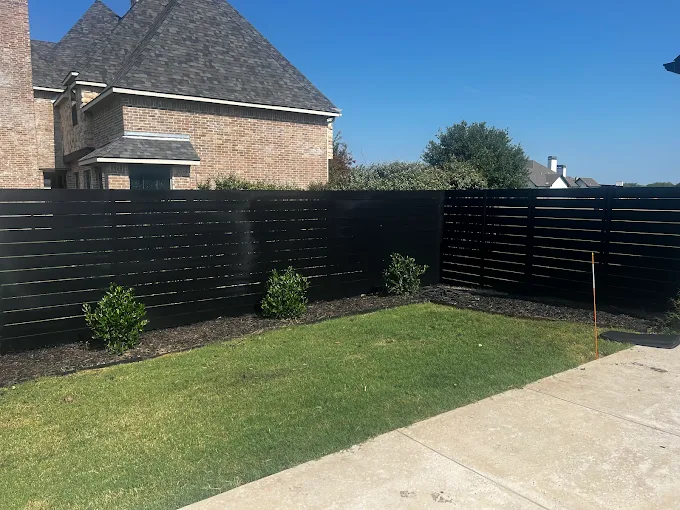
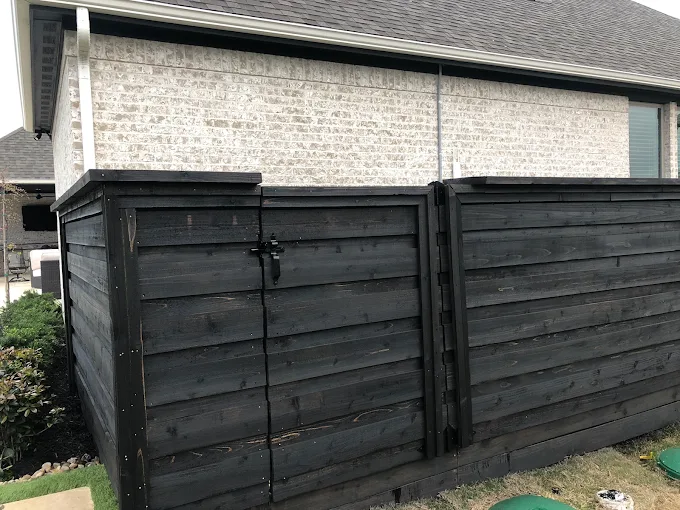
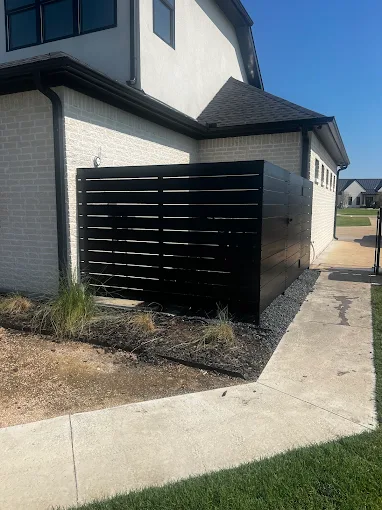
When you have the documents in hand, several key details demand your attention. Height limits are usually the first restriction homeowners encounter. Front yard fences are typically limited to three or four feet, while backyard fences can reach up to six feet in most communities. Approved materials will be listed explicitly. Cedar wood, vinyl, aluminum, and wrought iron are common in North Texas HOAs. Chain-link fencing is almost never permitted in residential communities. Setback requirements specify how far your fence must sit from property lines, sidewalks, or utility easements. Some HOAs mandate a minimum of twelve to twenty-four inches from a sidewalk. Color and finish restrictions may require specific stain colors for wood fences or particular powder coat finishes for iron. Style guidelines often specify board-on-board, shadowbox, or picket designs. If you are considering a horizontal fence design, be aware that these face extra scrutiny in many communities, often due to outdated assumptions about climbability rather than any real performance issue.
Step 2: Understand Texas Laws That Protect Your Right to a Fence
Texas law gives homeowners meaningful protections that many residents do not know about. Senate Bill 1588, which took effect in 2021, prohibits HOAs from banning perimeter fencing entirely. Your association cannot simply say no fences allowed. Senate Bill 711, effective September 2025, further refined these provisions and clarified certain enforcement standards. These laws represent a fundamental shift in what HOAs can restrict, and they are worth understanding before you submit any proposal. There is an important exception to keep in mind. These protections do not apply to condominiums as defined by Texas law under sections 81.002 or 82.003. Condo owners have fewer legal protections when it comes to fencing and should expect their boards to retain broader authority over exterior modifications. Another key provision involves replacement. If you are replacing an existing fence using the same materials, Texas law states that you do not need prior HOA approval. This saves time and paperwork for straightforward replacement projects. That said, Texas law does not give you carte blanche. HOAs can still regulate height, materials, placement, and appearance within reasonable limits. The law simply ensures that a reasonable path to a fence exists for every homeowner.
Step 3: Prepare Your Fence Proposal for Submission
What Your HOA Will Want to See
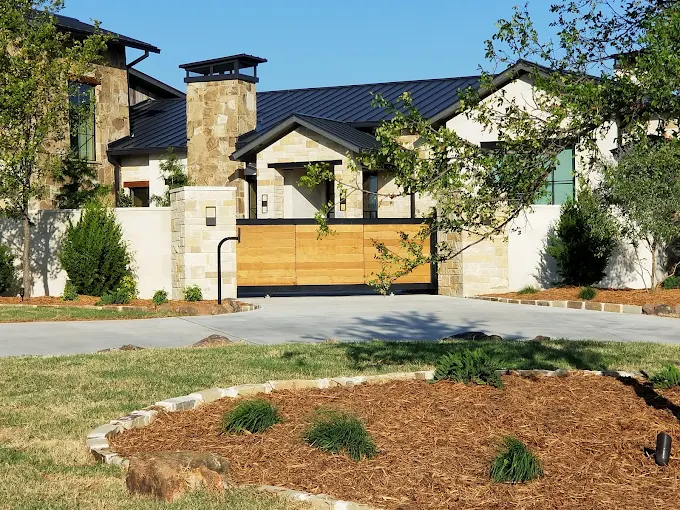
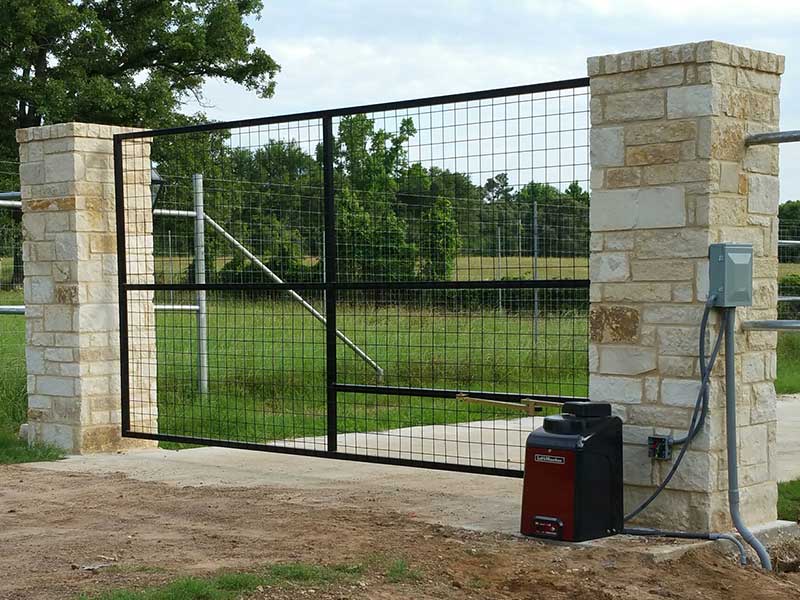
A strong proposal anticipates what the review committee needs to say yes. Start with a detailed site plan or property survey showing exactly where the fence will go, including precise distances from property lines and existing structures. Material specifications matter. If you are proposing a cedar privacy fence, specify the grade of cedar, the board width, and whether the style is board-on-board or shadowbox. For custom iron fencing, include the gauge of iron and the finish type. For automatic gates, provide manufacturer specifications that address safety standards and operational clearances. Color samples or stain swatches are essential, especially if your HOA maintains a palette of approved finishes. Height measurements should be clearly marked for every section of the fence, distinguishing front yard segments from backyard segments. If your project includes an automatic gate, whether swing or sliding, include product literature that demonstrates compliance with any applicable safety requirements.
How to Present Your Proposal for Faster Approval
The way you present your proposal affects how quickly it moves through review. Use clear, professional drawings or renderings. Hand-drawn sketches rarely get approved on the first pass, and resubmissions add weeks to your timeline. If you are proposing a modern design like horizontal fencing, include photographs of similar installations that have been approved in other communities. This helps the committee see your vision as current and intentional rather than disruptive. Include a timeline for installation so the HOA knows when to expect construction activity and contractor vehicles in the neighborhood. Submit your package through your HOA’s preferred channel. Many associations now use online portals that streamline the review process and create an automatic record of your submission. Keep copies of everything you submit and all correspondence you receive. A communication paper trail protects you if questions arise later.
Step 4: Submit Early and Plan for the Waiting Period
HOA approval timelines typically range from thirty to ninety days, so submit your application well before you want construction to begin. Complex designs, such as custom iron fencing paired with automatic gates, may extend the review period further. Most HOAs hold monthly board meetings, and missing the submission deadline by even a day can mean waiting another full month for your proposal to appear on the agenda. If you have not heard back within two weeks of submission, follow up professionally. A polite email or phone call shows you are engaged without being demanding. The most important rule during this waiting period is simple: do not order materials or schedule installation until you have written approval in hand. I have seen homeowners in Heath and Fate order thousands of dollars in cedar only to discover their HOA required a different stain color or a modified setback. That is a costly mistake that patience prevents.
Common HOA Fence Restrictions in North Texas Communities
Height Limits by Location
Height restrictions vary by fence location, and understanding the distinctions matters. Front yard fences in most Collin County communities are limited to three or four feet. This preserves sightlines and maintains the open feel that many neighborhoods value. Backyard fences can typically reach six feet, which provides meaningful privacy. Some HOAs allow up to six and a half feet in rear yards, but you should verify this in your specific documents. Corner lots face additional restrictions. Visibility at intersections is a safety concern, and HOAs often require lower fence heights or specific open designs near street corners. Pool enclosures may be exempt from standard height limits due to municipal safety code requirements, but you will still need to document this exemption in your proposal.
Approved vs. Prohibited Materials
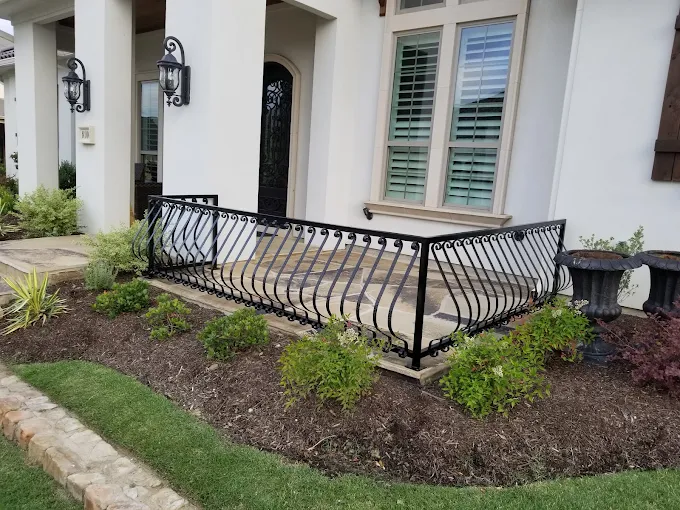
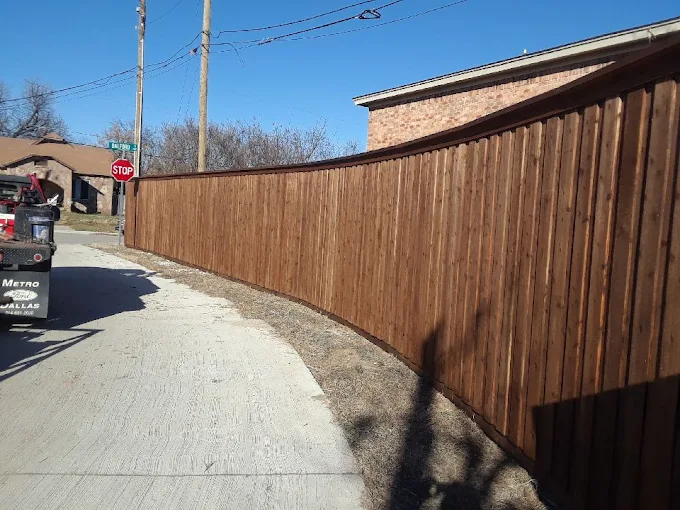
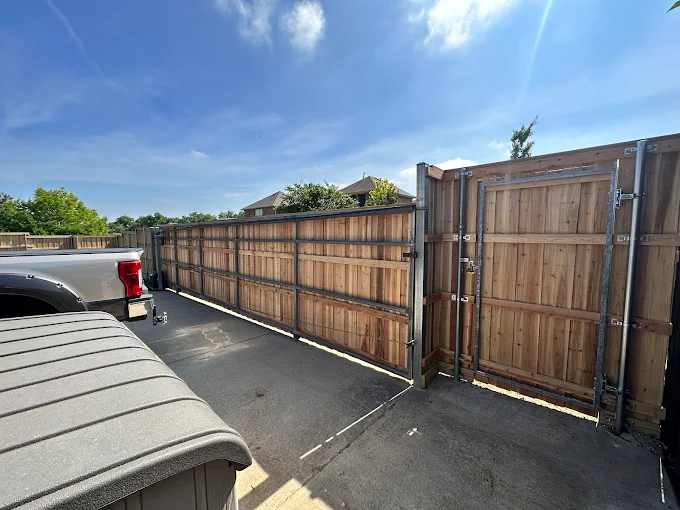
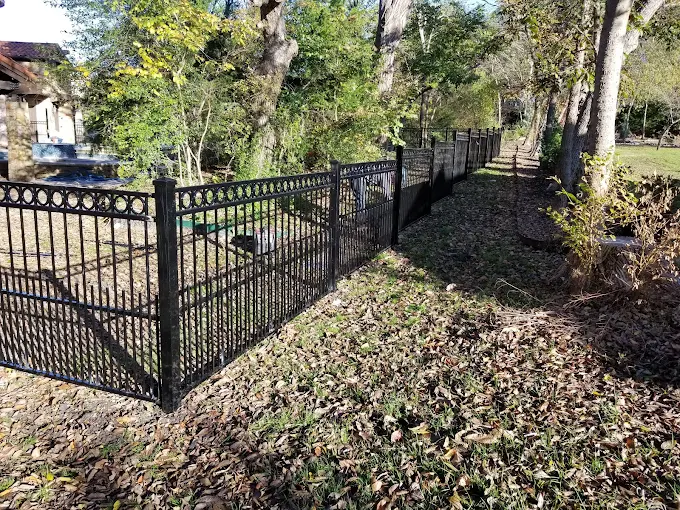
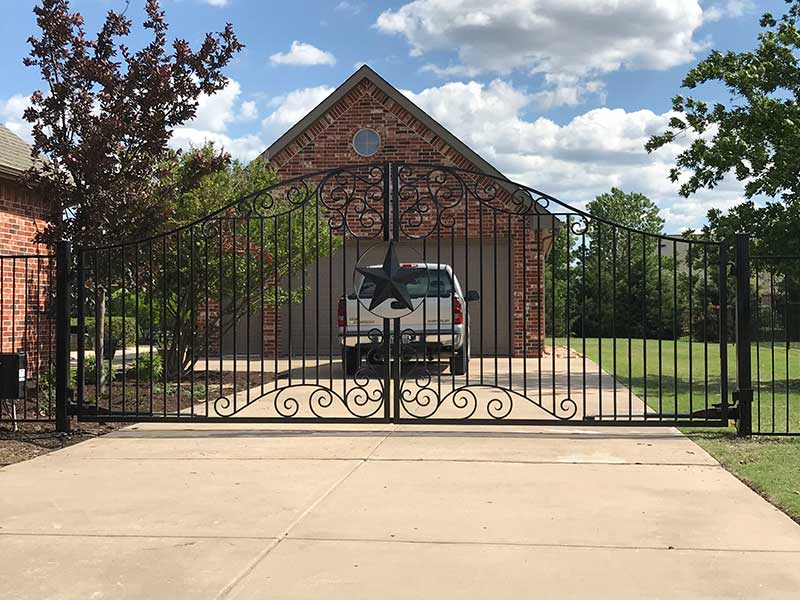
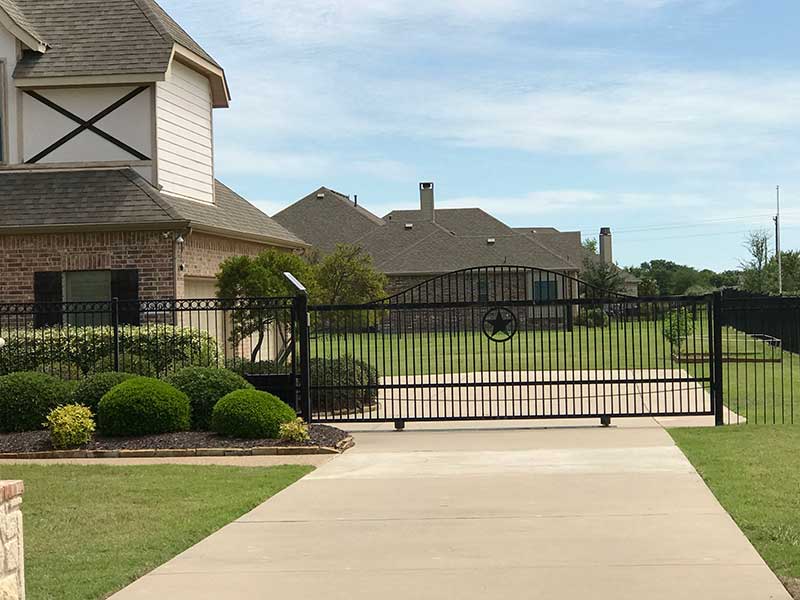
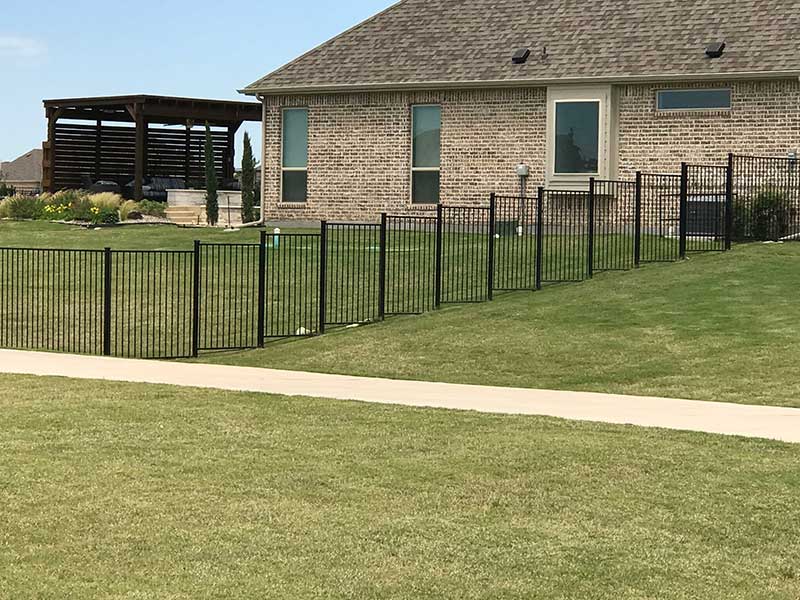
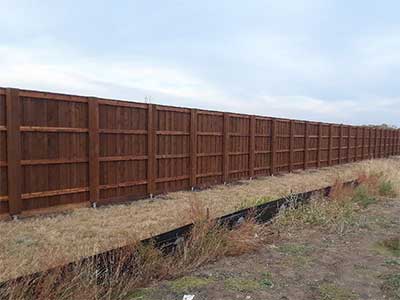
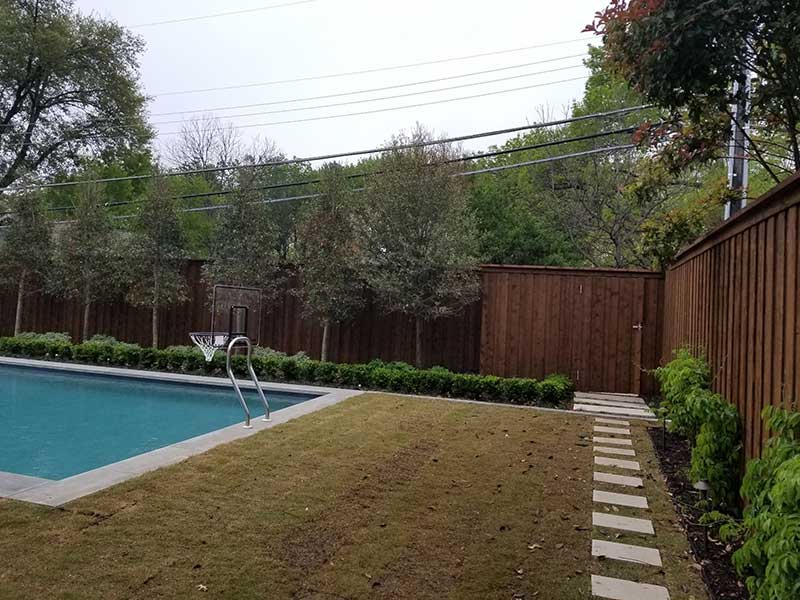
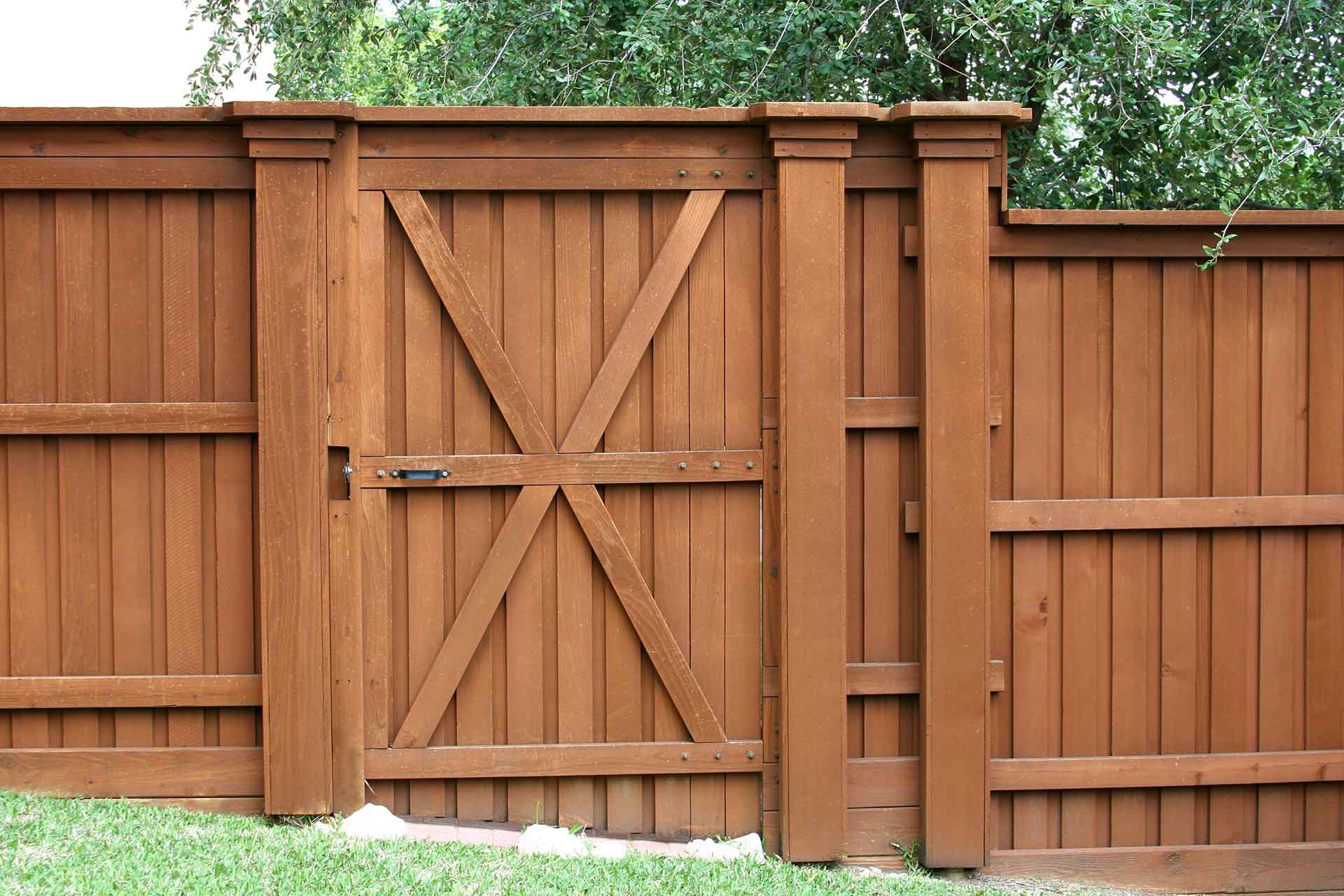
Material selection is where many proposals succeed or fail. Cedar wood fencing in board-on-board or shadowbox styles is widely approved across North Texas communities. Cedar’s natural resistance to warping in our intense summer heat makes it a practical choice as well as an aesthetic one. Aluminum and wrought iron are frequently approved for front yards where visibility and curb appeal are priorities. High-quality vinyl is accepted in many communities, though some HOAs restrict it. Chain-link fencing is almost never approved in residential HOA communities. Barbed wire, electrified fencing, and unfinished or untreated wood are uniformly prohibited. Custom iron fencing often performs well in the approval process because it aligns with the long-term consistency goals that HOAs prioritize. Automatic gates typically require separate approval and may need to meet specific safety standards regarding opening speed, obstruction detection, and manual release mechanisms.
Setback and Property Line Rules
Most HOAs require fences to be installed inside the property line rather than directly on it. This distinction matters because utility easements often run along property lines, and building on an easement can create significant problems if utility companies need access later. Some HOAs require a minimum setback from sidewalks, typically twelve to twenty-four inches. Properties on cul-de-sacs or irregular lots may have unique setback requirements that differ from standard rectangular lots in the same community. If you live in Royse City or Forney where newer developments often include these lot configurations, pay extra attention to setback language in your CC&Rs.
What Happens If You Skip HOA Approval
Skipping the approval process creates a cascade of problems that only get more expensive over time. The HOA can issue a notice of violation and demand that you remove the non-compliant fence at your own expense. Fines can accumulate daily until the violation is resolved, potentially costing hundreds or even thousands of dollars. The HOA has legal standing to sue homeowners who refuse to comply, and courts typically side with the association when the governing documents are clear. When you sell your home, undisclosed HOA violations can derail the sale entirely or force last-minute corrections under pressure. Your homeowners insurance may not cover fence damage or liability claims if the fence was installed without proper approvals, leaving you personally exposed. The financial risk of non-compliance far outweighs any perceived benefit of skipping the process.
How to Appeal a Denied Fence Proposal
A denial is not the end of the road. Review the denial letter carefully. HOAs must provide a reason for their decision, and understanding that reason is the first step to addressing it. Common denial reasons include materials not on the approved list, height exceeding the maximum, or a design that does not match the neighborhood’s established character. Most HOAs have a formal appeals process outlined in their governing documents. Follow it precisely. Missing a procedural step can delay your project further. Consider proposing a compromise. If your first-choice material was denied, ask what alternatives would be acceptable to the committee. If your HOA is denying a perimeter fence entirely, reference Texas SB 1588, which protects your right to install one. Sometimes a polite reminder of state law, delivered professionally, is enough to move the conversation forward.
Working With Neighbors on Shared Fence Lines
In North Texas, shared fence laws are governed by case law rather than statute, which makes neighbor cooperation essential. Talk to adjacent homeowners before you submit your proposal. Surprises create conflict, and conflict slows down approval. If you share a fence line, your neighbor may be responsible for half the cost of a replacement fence under Texas case law, but only if the fence truly sits on the property line and both parties benefit. Get any cost-sharing agreements in writing, even with neighbors you trust. Your HOA may require written consent from adjacent property owners as part of the approval process, so having those conversations early keeps your timeline intact.
A Personal Note From a North Texas Fence Builder
I have been helping homeowners in Collin County navigate HOA approvals for years. I know how frustrating it can feel when you just want to secure your yard and add value to your home. That is why I always tell my customers: start with your HOA documents, not with a Pinterest board. The materials that look great online may not pass your community’s standards. I have seen too many homeowners order custom iron fencing or automatic gates only to discover their HOA requires a different finish or a specific setback. A little patience on the front end saves a lot of heartache, and money, on the back end. My team works with HOAs every day, and we know what gets approved and what does not. We are happy to walk you through the process, no pressure, just honest advice. Whether you are in Rockwall, Heath, or anywhere else in the area, the path to a beautiful, compliant fence starts with understanding the rules your community has in place.
Frequently Asked Questions About HOA Approval for a Fence
Can I install my own fence with an HOA?
Yes, but you must follow all HOA guidelines and obtain approval just as a contractor would. Some HOAs require professional installation by pre-approved contractors, so check your CC&Rs before assuming a DIY project will be permitted.
What happens if I do not get a permit for a fence?
Your HOA can force removal of the fence, issue fines, and take legal action. The financial risk of non-compliance far outweighs any benefit of skipping the process.
How do I get around HOA fence rules?
The goal is not to get around the rules but to work within them. Provide clear visuals, precise specifications, and align your design with your community’s long-term consistency goals. Texas law protects your right to a perimeter fence, but it does not override reasonable HOA regulations on height, materials, or placement.
Does Texas law allow HOAs to ban fences entirely?
No. SB 1588, effective 2021, prohibits HOAs from banning perimeter fencing. However, HOAs can still regulate height, materials, placement, and appearance within reasonable limits.
How long does HOA approval take?
Typically thirty to ninety days, depending on your HOA’s review schedule and the complexity of your design. Submit early and plan your project timeline accordingly.
Start Your Fence Project the Right Way
Begin by requesting your HOA’s design guidelines and CC&Rs. You need to know the rules before you can follow them. Consider which fence material fits both your needs and your HOA’s requirements. Cedar wood delivers privacy and performs well in North Texas heat. Iron offers elegance and durability, even in the expansive clay soils common across our region. If you want an automatic gate, check whether your HOA has specific safety or design standards before you invest in equipment.