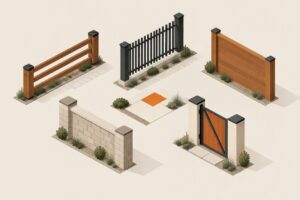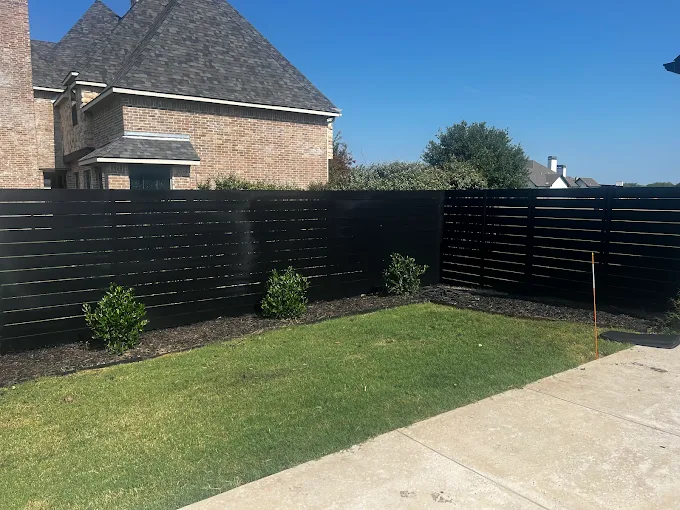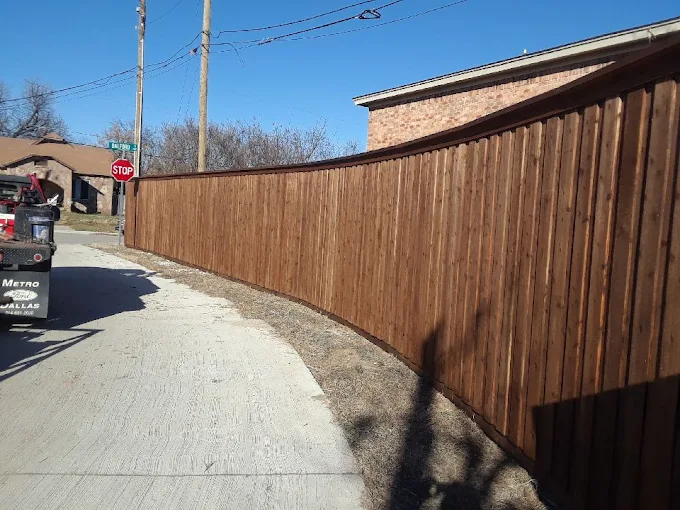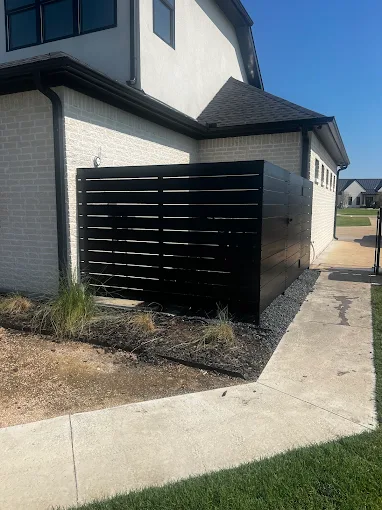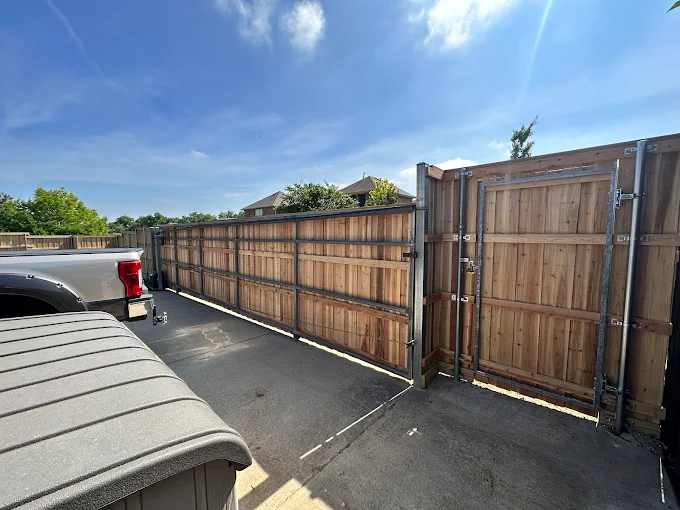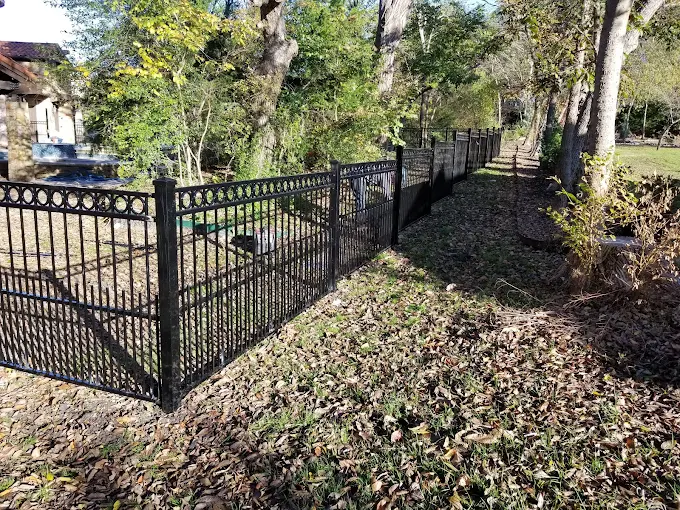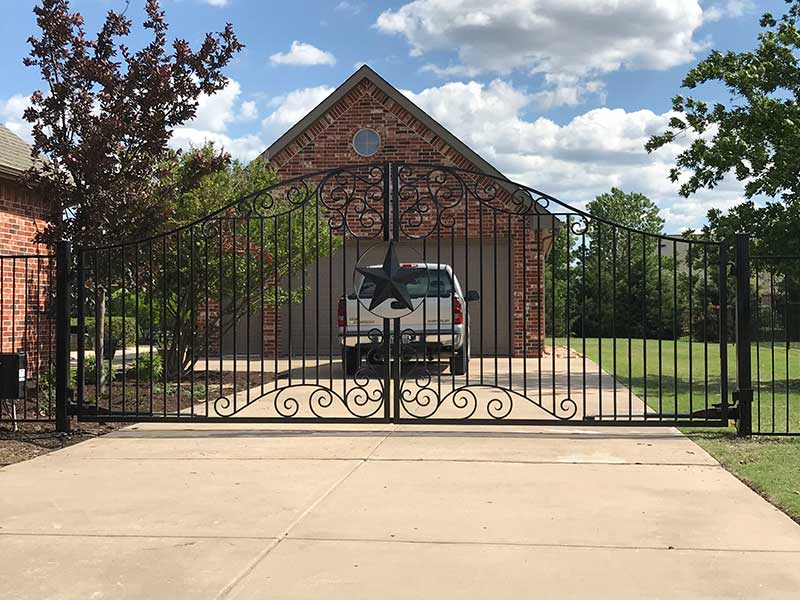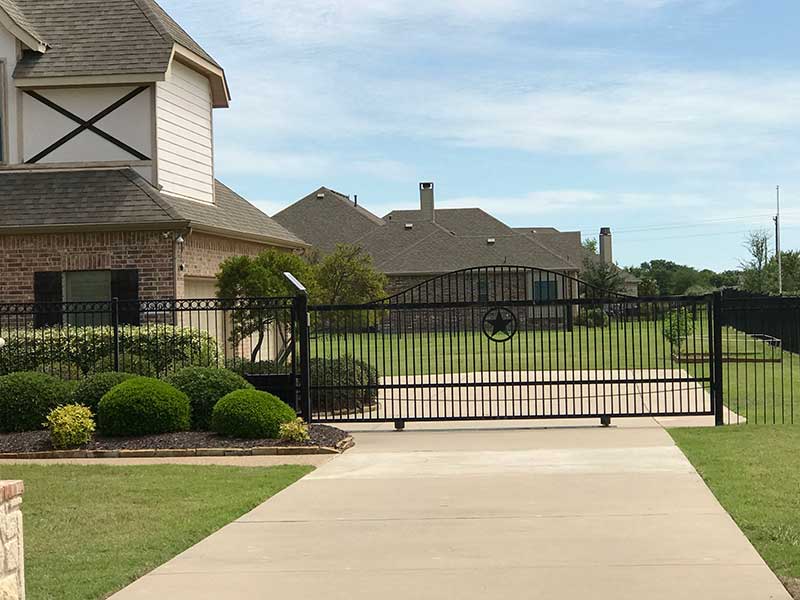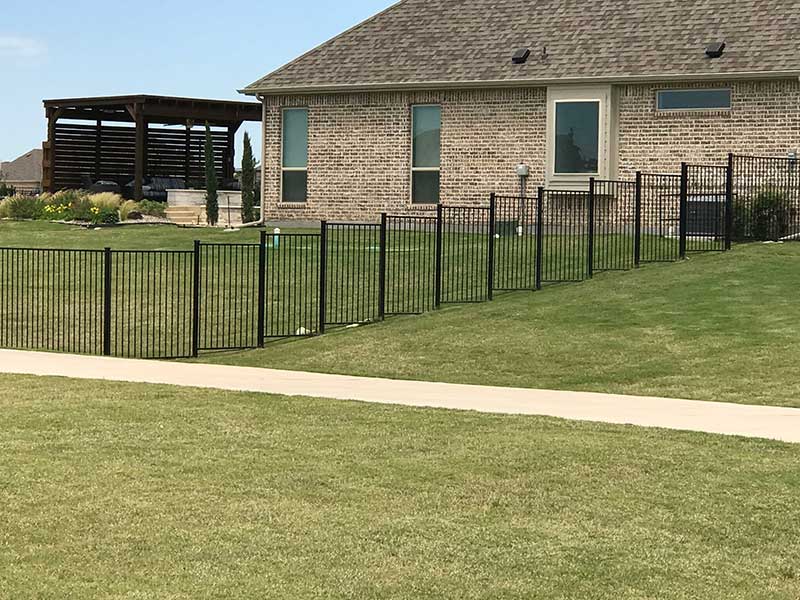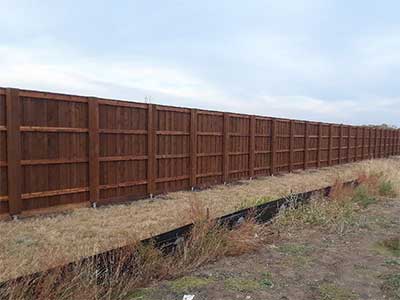
For privacy, choose solid wood or composite panels. For the highest practical residential security, choose custom steel or wrought iron with anti-climb detail. For low maintenance, choose vinyl or powder-coated aluminum. Whatever direction fits your goal, confirm your property lines and local permit rules before you order materials or schedule installation.
TL;DR:
- Fence height and construction details, such as deep footings and anti-climb features, are crucial for effective security and must align with local regulations.
- Material choice impacts longevity, maintenance, and environmental impact, with steel and masonry offering the most durable options and recyclability.
- Proper site assessment, including property line verification, soil conditions, and slope, ensures a fence’s stability and compliance, reducing future repair costs.
- DIY installation is suitable for simple, flat projects, but complex or high-security fences benefit from professional help to ensure quality and longevity.
- Prioritizing footings and hardware over decorative elements ensures the fence ages well and remains secure over time.
Table of Contents
- What Are the Main Perimeter Fence Styles to Choose From?
- Which Fencing Material Is Right for Your Property?
- What Makes a Fence Design Actually Secure?
- What Site Factors Affect Fence Design and Installation?
- DIY or Professional Installation: What Should You Budget For?
- What Should You Ask an Installer Before Signing a Contract?
- Why Do Fences Fail After Installation, and How Do You Fix Them?
- How Eco-Friendly Are Different Fence Materials?
- How Do You Match Fence Design to Your Home’s Architecture?
- What Does Each Fence Design Actually Cost?
- What Priorities Actually Make a Fence Age Well?
- How Easton Fencing Turns These Design Ideas Into a Real Fence
- FAQ
What Are the Main Perimeter Fence Styles – Perimeter Fence Design to Choose From?
A perimeter fence has to do a job before it gets to look good doing it. The style you pick should start with the goal, not the catalog photo.
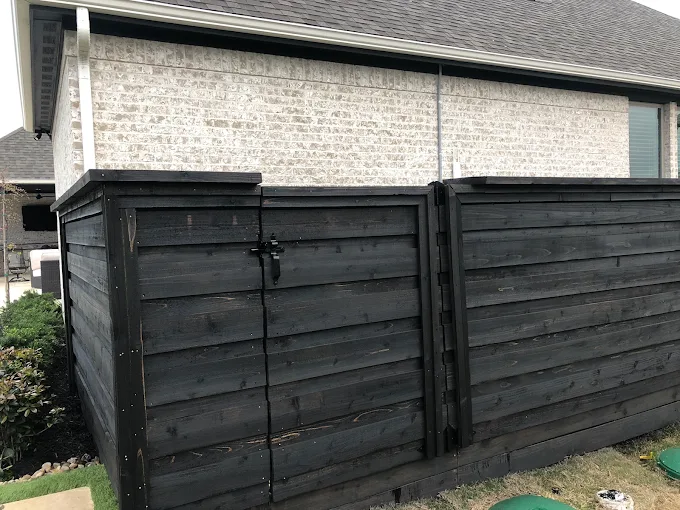
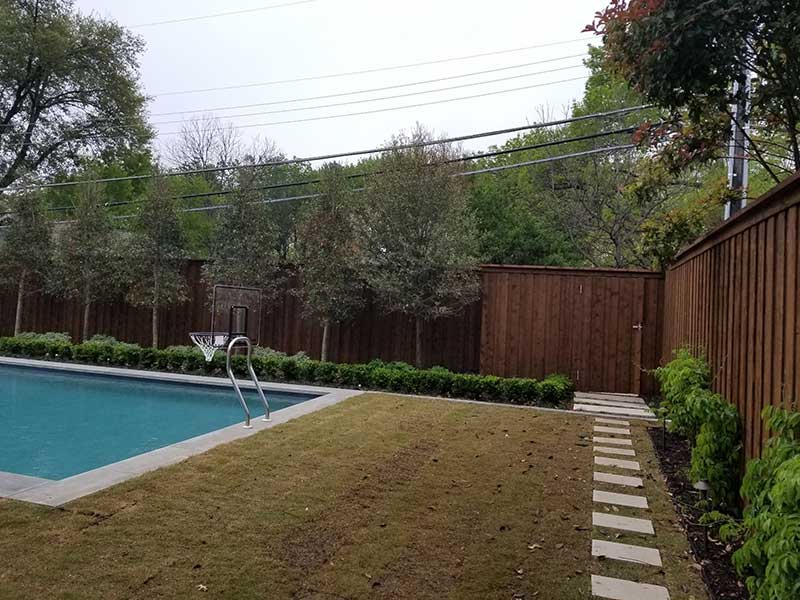
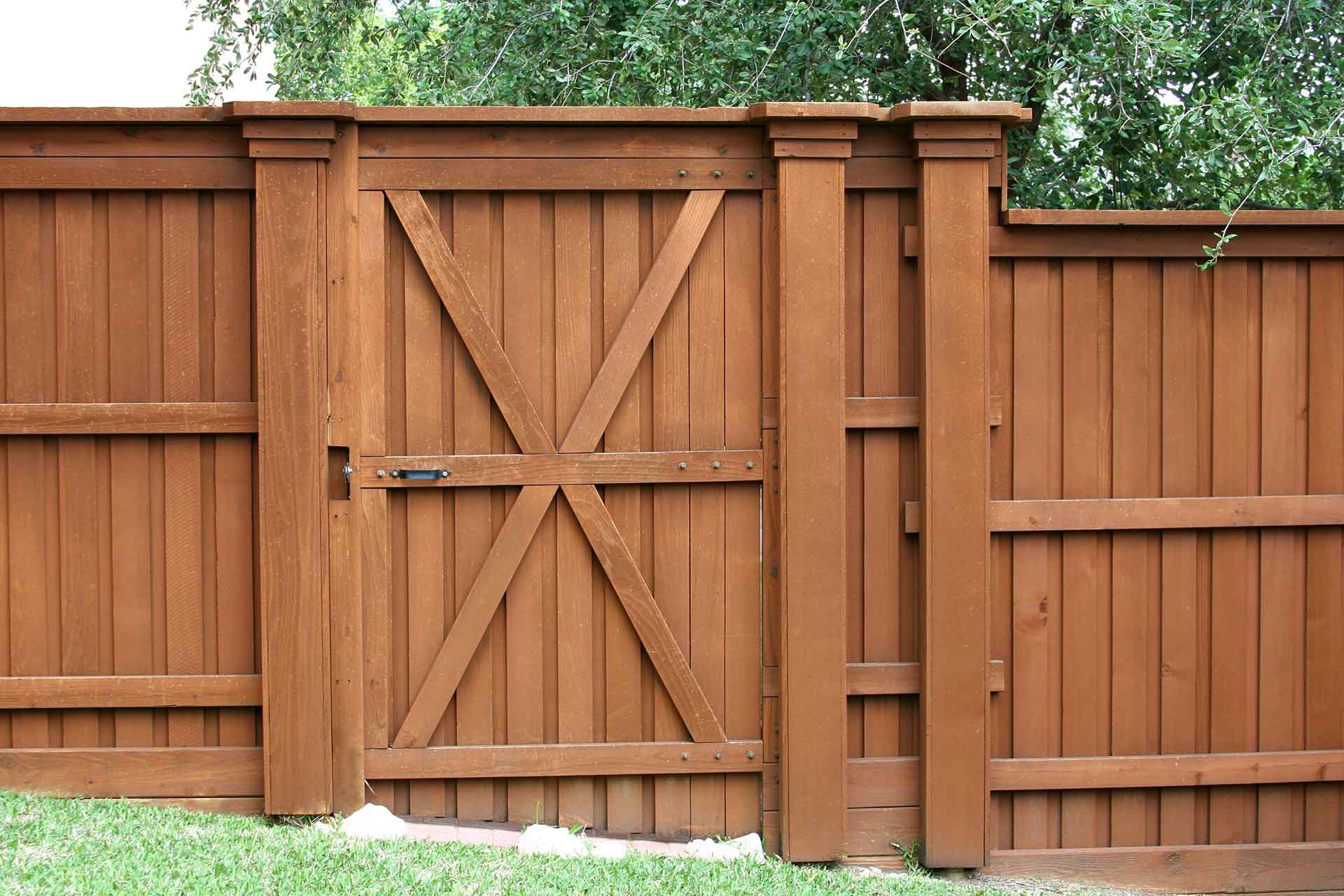
- Solid privacy panels (wood or composite): full-height boards with no gaps, best for backyards facing neighbors or a busy street.
- Semi-private designs (spaced pickets, lattice tops, horizontal slats with reveal gaps): let air and light through while still screening sightlines, popular for side yards and pool areas.
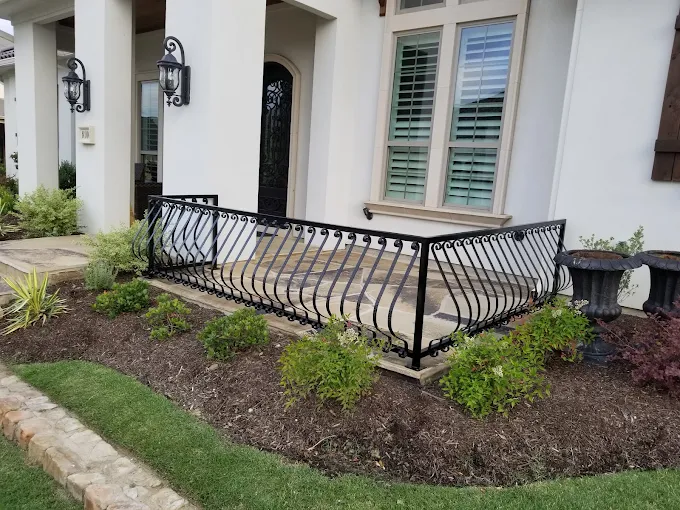
- Decorative ornamental fencing (wrought iron, aluminum pickets): defines a boundary without blocking the view of landscaping, common for front yards where curb appeal matters more than concealment.
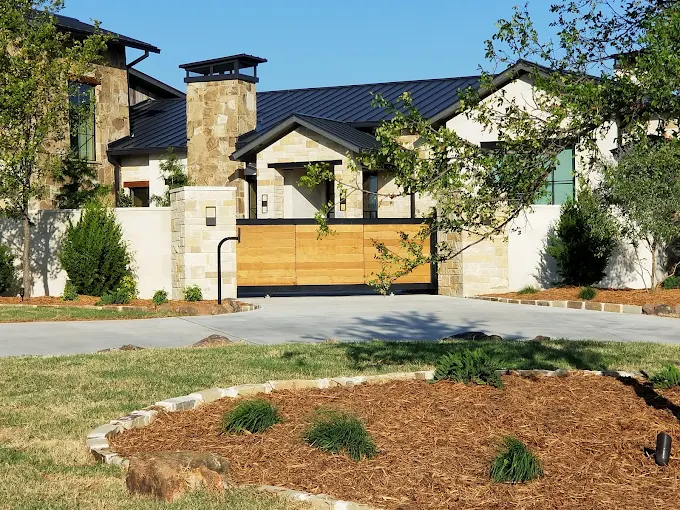
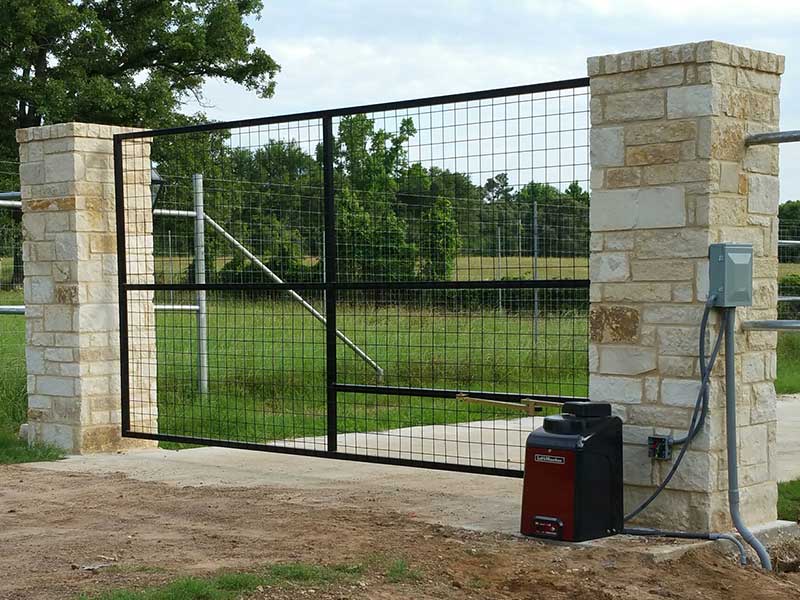
- Estate and security fencing (steel, masonry, or a mix of both): taller, heavier-gauge, built around anti-climb detailing for full-perimeter protection.
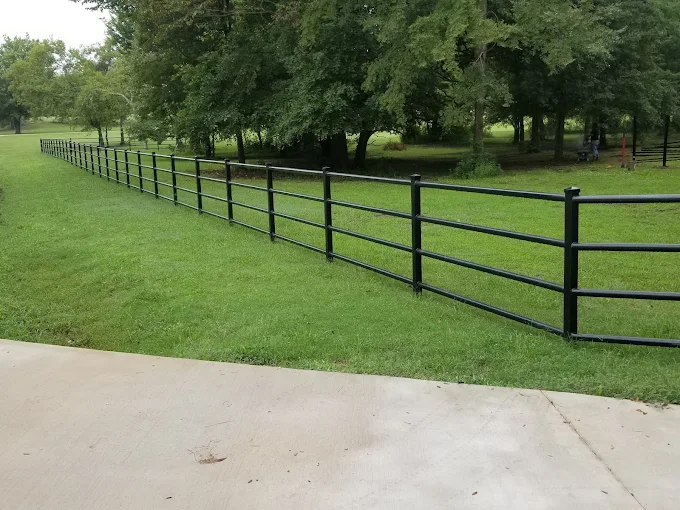
- Agricultural and utility fencing (chain link, split rail, wire): functional boundary marking at the lowest cost, typically for large lots or rear property lines.
A few trend notes worth factoring into your design: mixing materials, like a stone or masonry base topped with metal slats, adds visual weight and improved resistance compared to metal alone, a look increasingly common in higher-end residential perimeter work. Laser-cut metal screens and living fences, which pair hedges with a structural fence behind them, are also gaining ground with homeowners who want softness without giving up the boundary.
Front yards generally call for shorter, more open designs that preserve sightlines and curb appeal. Backyards can go taller and more solid since privacy usually outranks aesthetics back there.
Which Fencing Material Is Right for Your Property?
Material choice drives almost everything else: cost, maintenance schedule, and how long the fence actually lasts before it needs replacing. Common fencing materials include wood, vinyl, aluminum, steel, chain link, composite, and masonry, and each comes with real tradeoffs.
Wood delivers warmth and a classic look but needs recurring maintenance, staining, or sealing every few years to fight rot and insect damage. Vinyl is low-maintenance and resists rot and fading, and it’s often sold in premade panels that simplify installation. Aluminum resists corrosion well in wet or coastal climates, while custom-fabricated steel and wrought iron remain the top choices for long-term durability and high-security installations. Chain link is the budget workhorse for utility boundaries. Masonry, brick, or stone offers the most weight and permanence but the highest upfront cost.
| Material | Typical Lifespan | Maintenance Level | Best Use Case |
|---|---|---|---|
| Wood | 15-20 years | High (staining, sealing) | Privacy, warm aesthetic |
| Vinyl | 20-30 years | Low | Low-maintenance privacy |
| Aluminum | 20 to 30 years | Low | Decorative, coastal climates |
| Steel/wrought iron | 30-50+ years | Low to moderate | Security, estate perimeters |
| Chain link | 15-20 years | Low | Utility, agricultural |
| Composite | 20 to 30 years | Low | Privacy with wood look |
| Masonry | 50+ years | Low | Estate, high-security base |
Finishes matter as much as the base material. Galvanizing and powder coating protect steel from North Texas humidity swings, and pressure treatment is what keeps wood posts from rotting underground years before the visible boards fail.
What Makes a Fence Design Actually Secure?
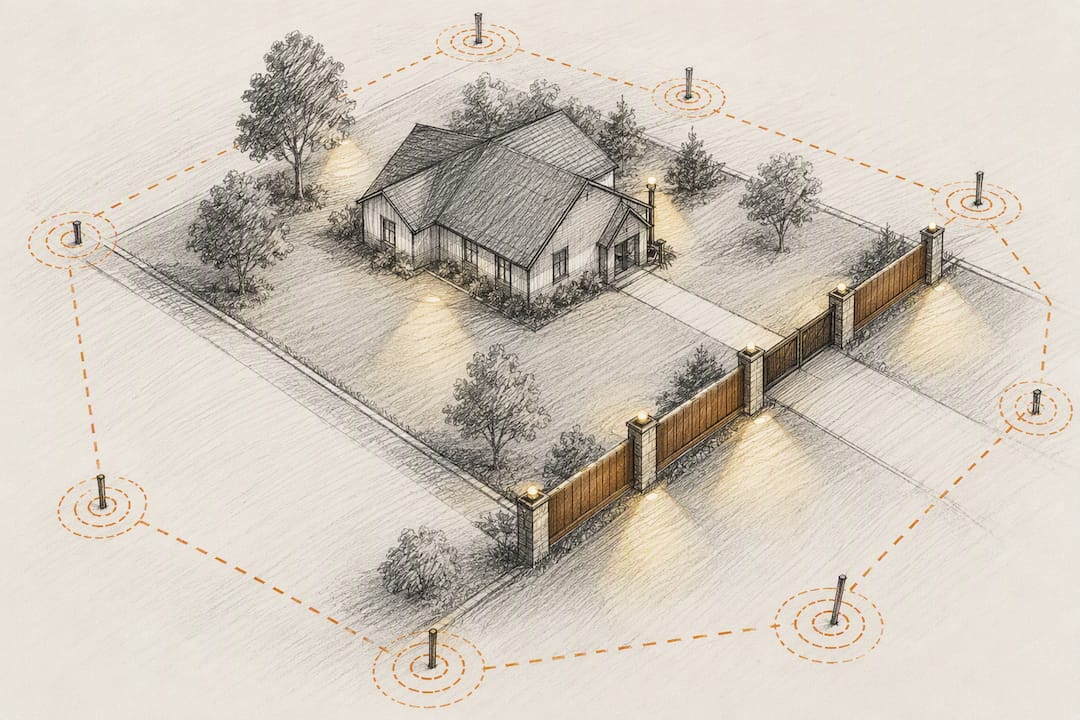
Security design works on a detect, delay, respond model. A fence that only looks imposing but skips the structural details underneath won’t do much when someone actually tests it. Effective perimeter security layers deterrence (visible height and solid construction), delay (anti-climb features and deep footings), and detection (lighting, cameras, sensors) rather than leaning on any single element.
- Set the right height. A height of around six feet is commonly considered effective for deterrence and often triggers permit requirements in many municipalities.
- Remove footholds. Rails placed on the interior face, not facing outward, take away the natural step-up point that makes a fence easy to climb.
- Harden the gates. Anti-lift hinges, commercial-grade latches, and a lock rated for exterior use close the weakest point in most perimeters.
- Add detection layers. Motion-activated lighting and cameras near gates and blind corners often catch what height alone can’t stop.
- Verify footing depth. Posts set in concrete below the frost line resist both weather movement and forced entry attempts.
Pro Tip: Ask your installer where the rails will sit before the fence goes up. A fence with rails on the outside face basically hands an intruder a ladder, and it’s a detail you can’t fix later without rebuilding the section.
Lighting and layered detection frequently deliver larger security gains at a lower cost than simply building the fence taller, which is worth remembering if your budget is tight.
What Site Factors Affect Fence Design and Installation?
Terrain and regulations shape a design more than most homeowners expect going in. A few checks before you order materials:
- Confirm exact property lines with a survey, not a guess based on the old fence line.
- Locate underground utilities before any post holes go in.
- Check soil composition and drainage, since clay-heavy soil holds water around footings and accelerates wood rot.
- Note your local frost line depth, which determines minimum footing depth for post stability.
- Walk the slope of the yard to decide between racking (angled panels that follow the grade) or stepping (level panels that step down in stages).
Racking looks more continuous on gentle slopes; stepping handles steep grade changes better and keeps individual panels level. Residential footings typically have a depth appropriate to local frost line and fence height, commonly ranging from two to three feet. Before ordering anything, check your city’s permit rules; fences over six feet commonly trigger a permit requirement, and HOA design guidelines can restrict material, color, or height regardless of city code. Pool areas carry their own barrier exceptions and minimum height rules that often override general residential fence codes, so verify those separately if you’re enclosing a pool.
DIY or Professional Installation: What Should You Budget with Perimeter Fence Design?
DIY suits simple, low-stakes runs. A straight stretch of chain link or a basic vinyl panel section on flat ground is within reach for a capable homeowner with a weekend and the right tools. Custom metal work, masonry bases, automated gates, and anything on difficult terrain is where hiring a professional crew pays for itself in fewer callbacks and a structure that actually holds up.
Primary cost drivers include total linear footage, gate complexity, site prep like grading or rock removal, and footing depth. When you request quotes, ask installers to spell out:
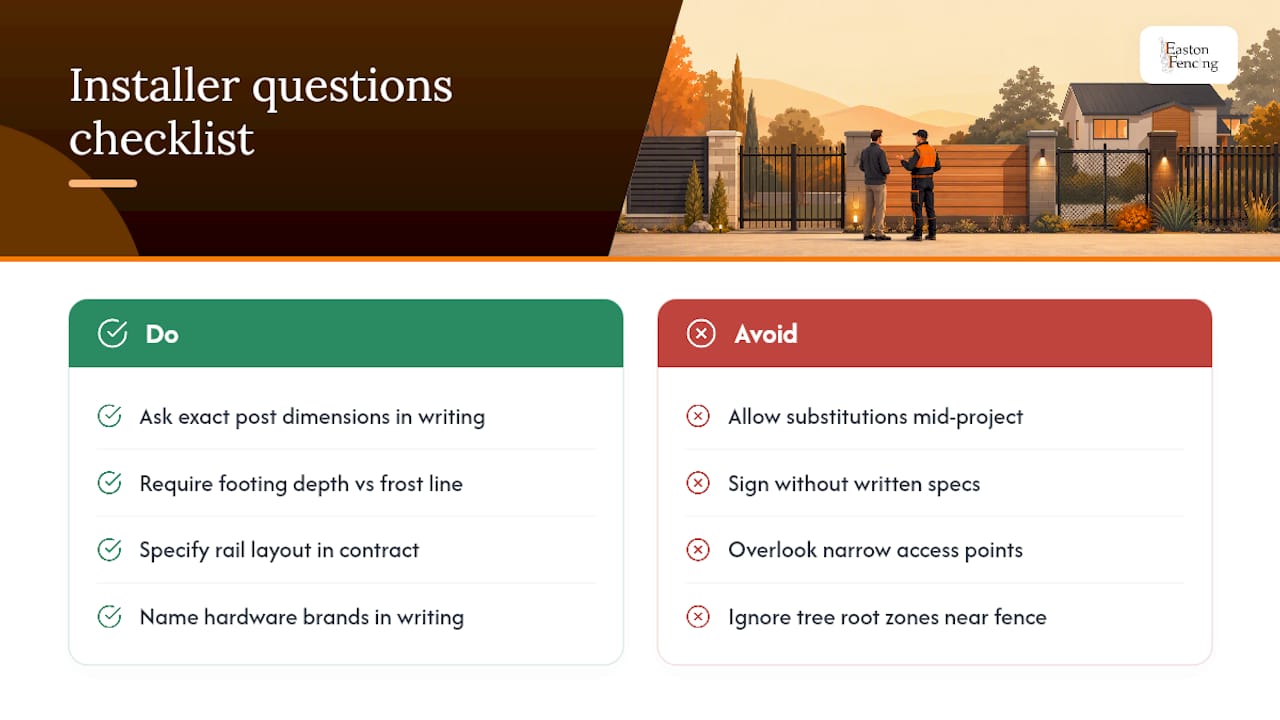
- Post size and spacing.
- Footing depth relative to your local frost line.
- Rail layout and hardware brand.
- Whether the crew subcontracts any portion of the job.
Get everything in writing, and get more than one bid before you sign.
What Should You Ask an Installer Before Signing a Contract?
We’ve built enough fences across Collin County to know the spec sheet matters more than the sales pitch. Ask for exact post dimensions, footing depth relative to your frost line, rail layout, and named hardware brands in writing. Written specifications prevent substitutions mid-project. Common site fixes we run into include narrow access points, tree root zones near the fence line, and steep slope transitions, all solvable with the right footing plan up front.
Why Do Fences Fail After Installation, and How Do You Fix Them?
Most post-installation problems trace back to two things: water and movement. Wood posts that were set without a gravel base at the bottom of the hole trap moisture against the grain and rot from the inside out within a few years, even if the visible boards look fine. The fix is usually a full post replacement with proper drainage, not a patch.
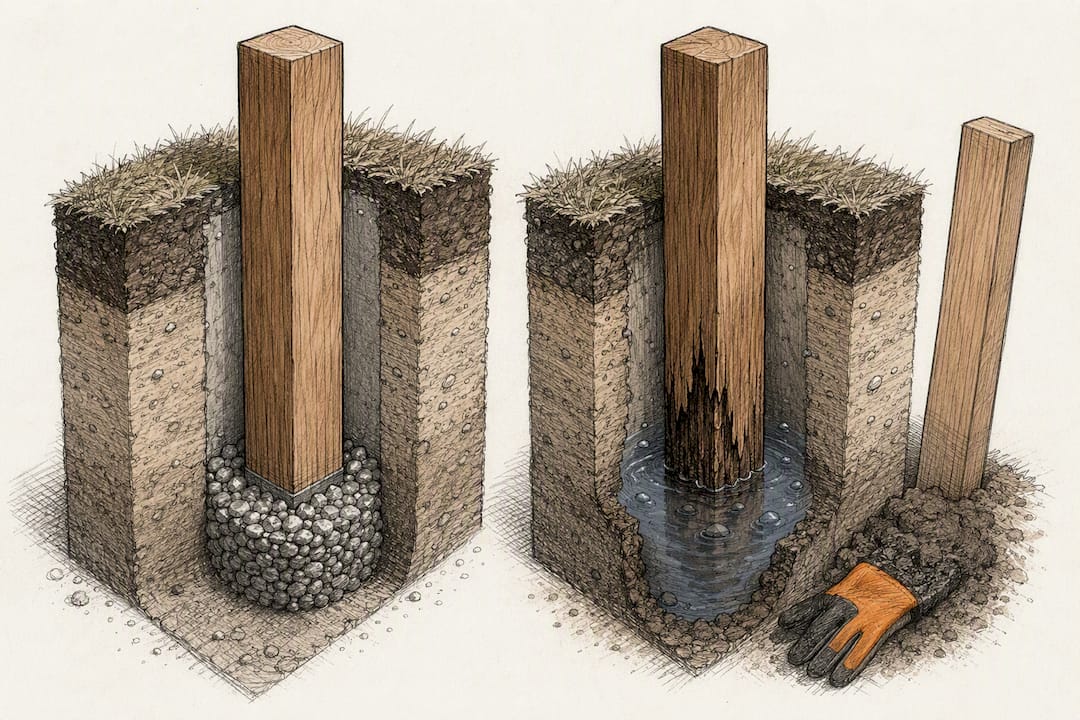
Leaning fence sections after a season or two almost always point to shallow footings or concrete that didn’t fully cure before load was applied. If a section leans but the post itself hasn’t cracked, some installers can reset it by excavating around the base and repouring; if the post has shifted at the frost line, replacement is more reliable than a repair.
Gate sag is the most common complaint on any fence with a swing gate. It usually comes from undersized hinges, a post that wasn’t set deep enough to handle the cantilevered load of an open gate, or hardware that was never rated for the gate’s actual weight. Anti-sag kits help temporarily, but the real fix is verifying the hinge post has adequate footing depth and diameter for the gate span before the gate ever goes on.
Chain link and wire fencing loosen over time as tension relaxes, especially after freeze-thaw cycles. Periodic re-tensioning at the terminal posts keeps the fabric from sagging into a wave pattern.
Powder-coated steel and aluminum can show surface rust at cut edges or scratches where the coating was compromised during install. Touch-up paint matched to the coating manufacturer’s spec stops small chips from spreading before they reach the base metal.
How Eco-Friendly Are Different Fence Materials?
Wood is renewable and biodegradable at end of life, but pressure-treated lumber contains chemical preservatives that complicate disposal and shouldn’t be burned. Untreated cedar and redwood carry natural rot resistance without the chemical additives, making them a better environmental choice where budget allows, though they cost more upfront.
Vinyl fencing is petroleum-based and doesn’t biodegrade, but its 20 to 30 year lifespan means less frequent replacement and less material sent to landfills over time compared to wood that needs replacing every 15 to 20 years.
Steel and aluminum are both highly recyclable at the end of their service life, and both metals typically carry recycled content already. A steel or wrought iron fence that lasts 30 to 50 years also means fewer manufacturing cycles per linear foot of boundary over the decades compared to shorter-lived materials.
Masonry has the largest upfront carbon footprint due to the energy required to produce concrete, brick, or stone, but its 50-plus year lifespan spreads that footprint over the longest service window of any common fencing material.
Chain link’s galvanized steel wire is recyclable, and it uses less raw material per linear foot than solid panel fencing, which keeps its manufacturing footprint relatively low even though it lacks privacy and curb appeal.
If sustainability is a priority alongside design, look at material lifespan as much as the raw material itself. A fence that needs replacing twice as often erases most of the environmental advantage of a “greener” material choice.
How Do You Match Fence Design to Your Home’s Architecture?
A fence reads as an extension of your house, not a separate structure, when the materials and lines echo what’s already there. A brick or stone home pairs naturally with a masonry-based fence or a steel design that includes a matching masonry pier at the gate and corners. A craftsman or farmhouse-style home tends to suit horizontal wood slats or board-and-batten paneling, which mirrors the horizontal lines common in that architecture.
Color matters more than most homeowners plan for. A powder-coated steel fence in matte black reads as more formal and traditional, while a bronze or dark green finish blends into landscaping and draws less attention to the boundary itself. Matching or complementing your home’s trim color, rather than the siding, usually produces a more cohesive look.
Landscaping should work with the fence line, not against it. Foundation planting along the base of a solid privacy fence softens the visual weight of a tall panel run. For ornamental metal fencing, low plantings that don’t obscure the pattern let the fence detail stay visible from the street, which is usually the point of choosing an ornamental style in the first place.
Gate placement deserves the same design attention as the fence itself. A gate is often the first thing a visitor actually interacts with, so its style, whether it echoes the front door’s hardware finish or the home’s roofline pitch, sets the tone for the whole property before anyone reaches the porch.
What Does Each Fence Design Actually Cost?
Cost breaks down by material, height, and how much custom fabrication the design requires. Basic chain link runs at the low end of the spectrum, wood and vinyl privacy fencing sit in the middle, and custom steel, wrought iron, and masonry combinations sit at the top due to fabrication time and material weight.
Gates add cost disproportionately to their size. A single walk gate is a modest add-on, but a custom driveway gate with automation, discussed further on automatic gate options, involves an operator, safety sensors, and often a dedicated power run, all of which add up faster than the fence panels themselves.
Site prep is the line item homeowners most often underestimate. Rock removal, grading on sloped lots, and clearing dense root zones can add meaningfully to a project before a single post goes into the ground. On sites with major clearance needs, a dedicated demolition and site-prep contractor is sometimes worth bringing in ahead of the fence crew rather than asking the fence installer to absorb that work.
Footing depth requirements tied to your local frost line also affect cost, since deeper footings mean more concrete and more labor per post regardless of the fence material chosen above ground.
What Priorities Actually Make a Fence Age Well?
The decorative details get the attention, but footings and hardware are what decide whether a fence still looks good in year ten. A beautiful steel design with shallow footings will lean before a plain design with proper depth ever will. One crew handling fabrication through installation, rather than work split across subcontractors, also tends to produce fewer finger-pointing problems when something needs adjusting later. If you’re planning a project, start with a site assessment rather than a material decision.
— Darian
How Easton Fencing Turns These Design Ideas Into a Real Fence
Easton Fencing is the direct alternative to piecing together a project across multiple subcontractors. Every cedar fence, wrought iron design, and custom gate we build comes from our own in-house crew, from fabrication through final installation, which means no scope drift between what you were quoted and what actually goes into the ground.
Our services cover cedar and wood privacy fencing, custom wrought iron and steel security fencing, automatic gate systems, and decorative arbors for residential and commercial properties across North Texas. When you request a quote, ask for the same specs covered above: post size, footing depth relative to the local frost line, rail layout, and named hardware brands. Those details tell you whether a bid reflects a fence built to last or one built to look good on install day.
We offer fast, free estimates and fully insured work on every project, and because our crews handle everything in-house, the person who designs your gate is accountable for the same gate years later. If you’re weighing a wrought iron design for security or a cedar privacy fence for your backyard, the next step is simple: request a free estimate and we’ll walk your property before you commit to a design.
FAQ
What Are the Different Types of Perimeter Fences?
The main types are privacy fencing (solid wood or composite), semi-private fencing (spaced pickets or slats), decorative ornamental fencing (aluminum or wrought iron), estate and security fencing (steel or masonry combinations), and utility fencing (chain link or wire).
What Are the Fence Trends Heading Into 2026?
Mixed-material designs, like stone or masonry bases paired with metal slats, are gaining ground for their visual weight and improved resistance over metal alone, alongside laser-cut screen panels and living fences that pair hedges with a structural fence behind them.
Can You Give an Example of a Perimeter Barrier?
A wrought iron fence with masonry piers at the corners and gate, set on concrete footings below the frost line, is a common example of a perimeter barrier that combines security detailing with a defined architectural look.
What Is Considered a Perimeter Fence?
A perimeter fence is any fence built along the outer boundary of a property to define the property line, restrict access, and provide privacy or security, as opposed to an interior fence used to separate specific yard areas.
Should I Choose Wood or Steel for a Perimeter Fence?
Choose wood for a warmer look and lower upfront cost if you’re prepared for regular maintenance; choose custom steel or wrought iron if long-term security and minimal upkeep matter more than initial price.