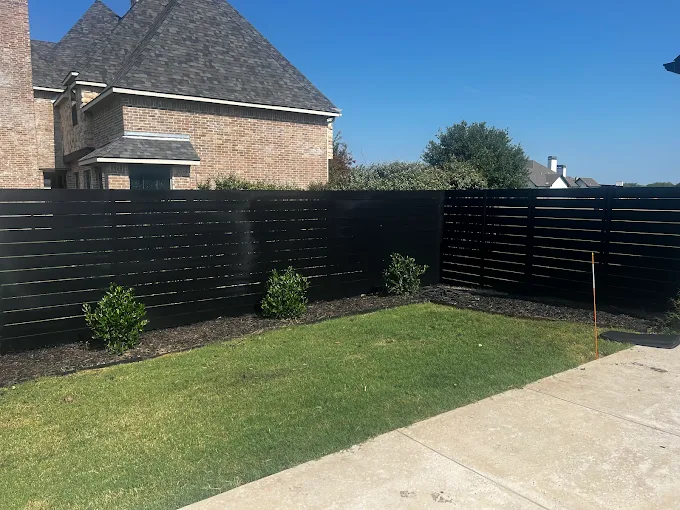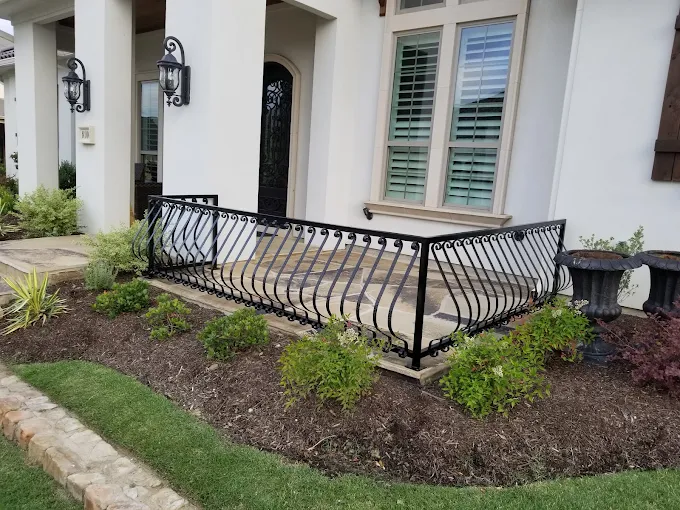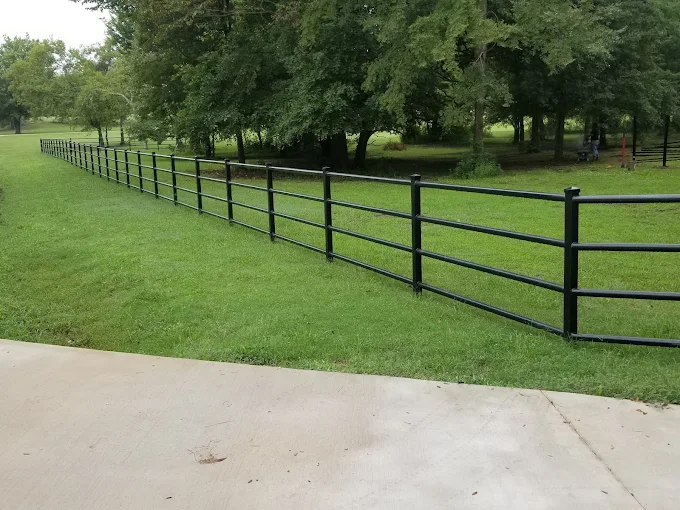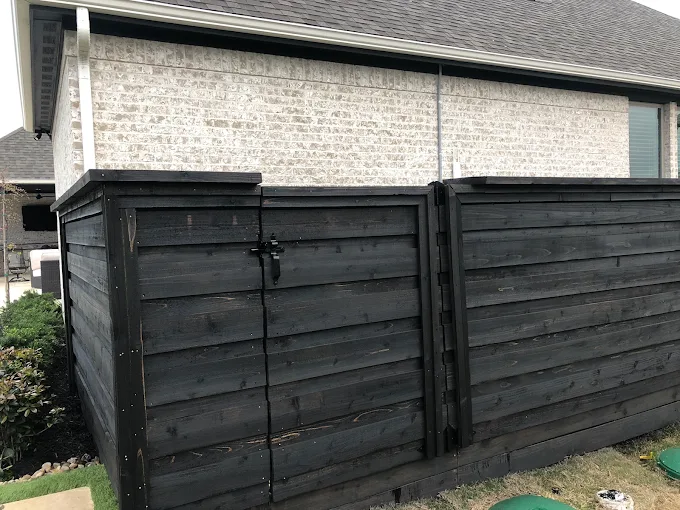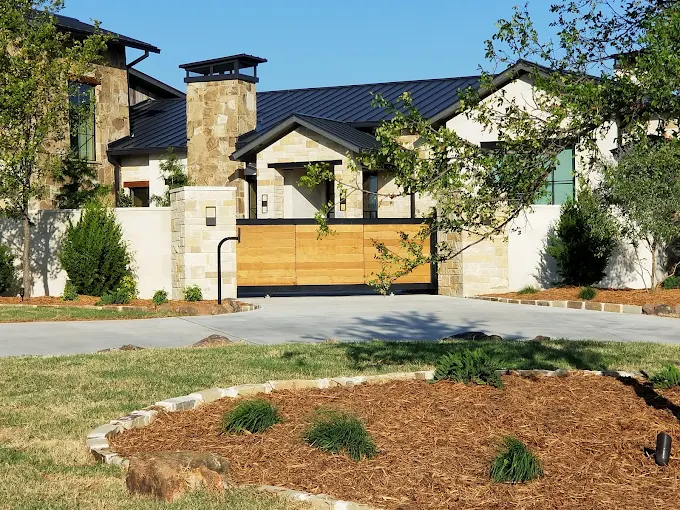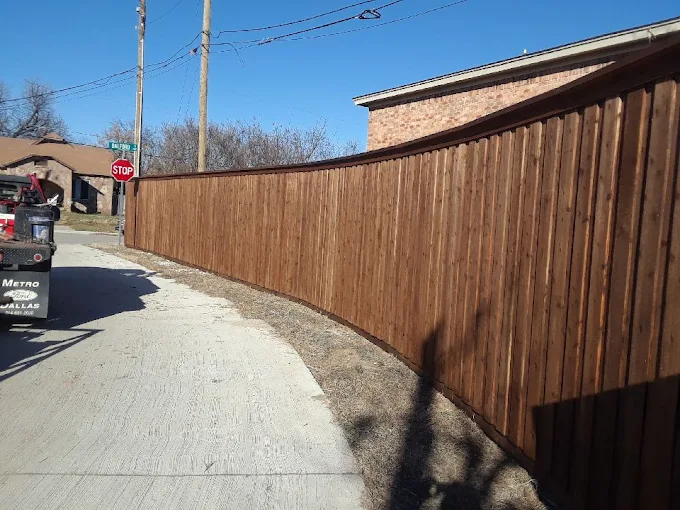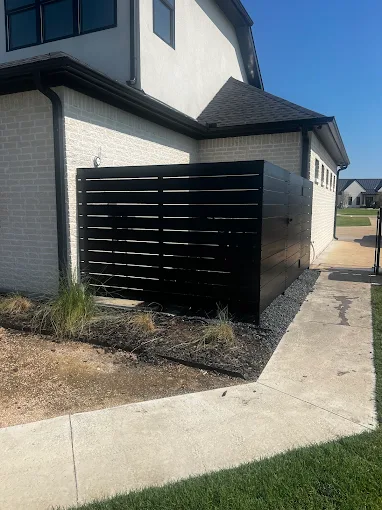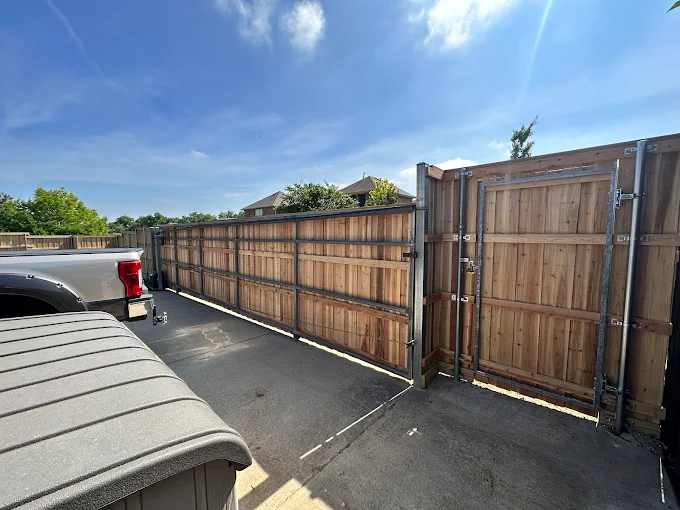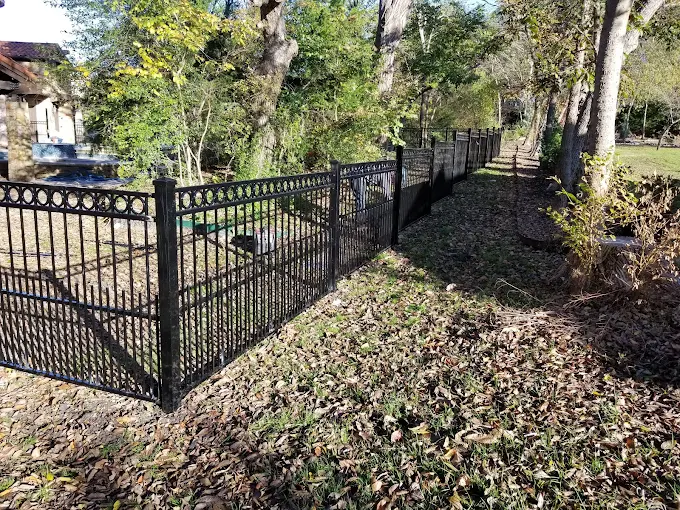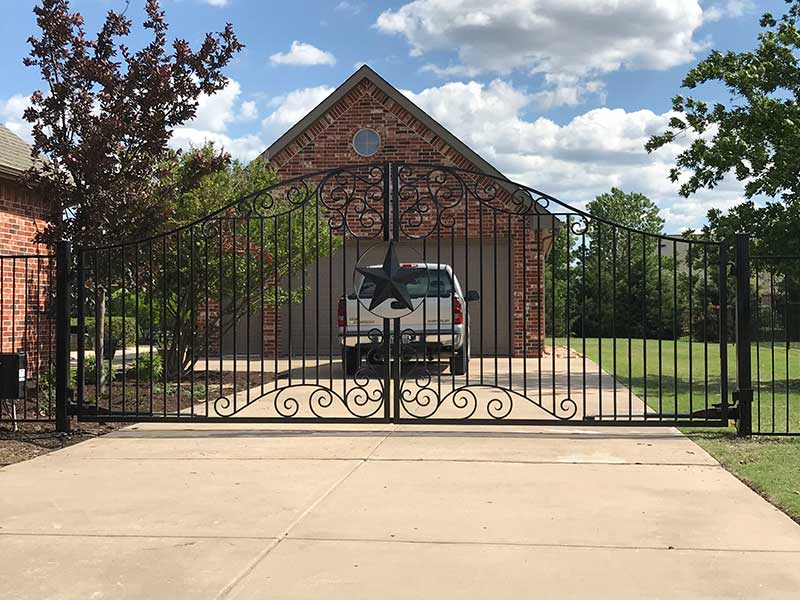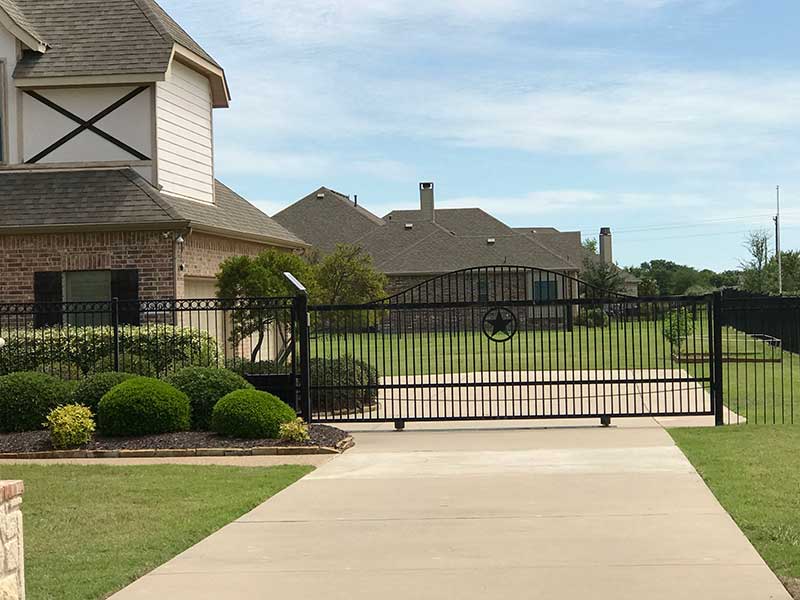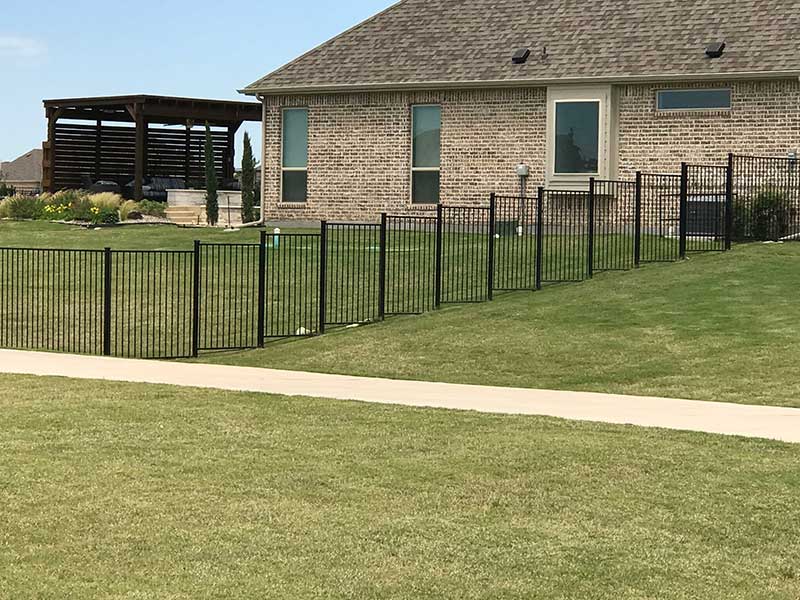
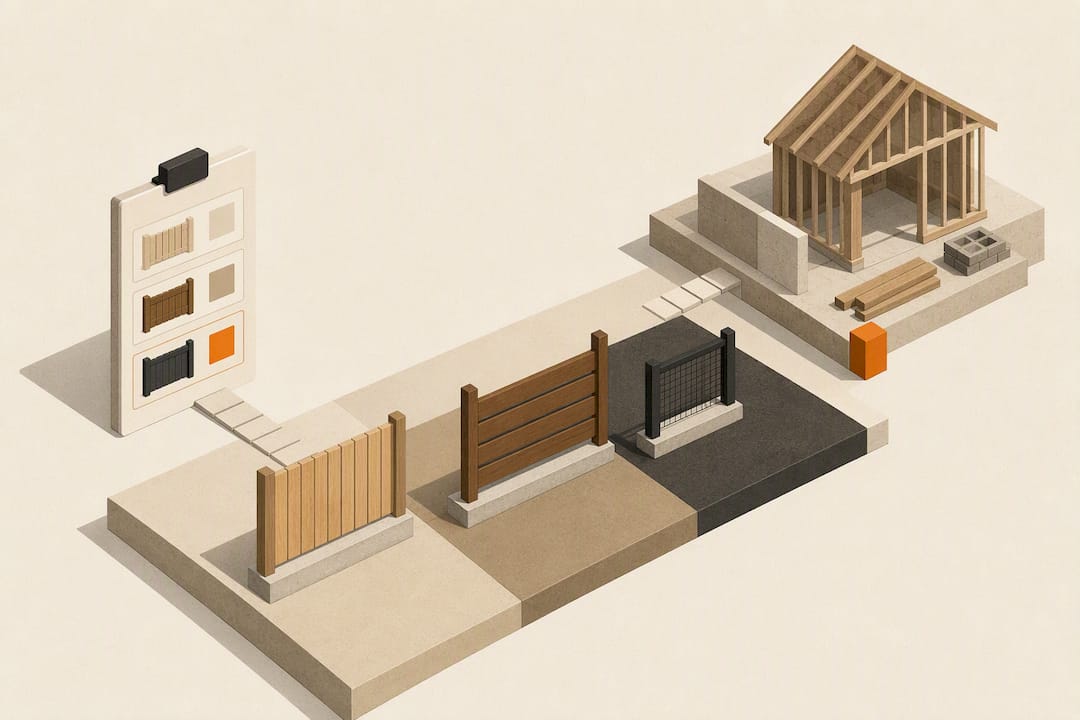
A typical fence installation runs about $20 to $60 per linear foot installed, which puts most backyard projects in the a moderate range for total cost range for a 200-foot property line. The smartest first move is to gather three written estimates and confirm your property lines and permit requirements before anyone breaks ground. Material choice, height, and site conditions move that number more than anything else.
TL;DR:
- Material choice significantly impacts the final cost, with wrought iron and vinyl typically at the high end and chain-link at the low end of the price range.
- Site conditions like soil type, slope, and obstacles such as rocks or roots can raise installation costs by requiring specialized equipment or additional labor.
- Permits and old fence removal often add $20 to $370 or more, depending on local regulations and yard complexity, and should be clarified before contracting.
- Accurate estimates require detailed scope documentation, including post depth, permit responsibility, removal, and site-specific challenges, not just per-foot pricing.
- Costs for professional installation can be 40% to 60% of the total project budget, with DIY options risking misaligned panels, unstable posts, or permit violations if not carefully managed.
Table of Contents
- Cost summary and quick estimator for your project
- Cost by material and design
- What affects your final price beyond materials
- Hire a pro or handle it yourself
- How to get an accurate written estimate
- Perspective from Easton Fencing on what changes on-site
- Step-by-step overview of the fence installation process
- Which fence style fits your goals
- Common challenges and troubleshooting during installation
- Why the cheapest quote rarely tells the whole story
- How Easton Fencing helps once you’re ready to install
- Sources
- FAQ
Cost summary and quick estimator for your project
Before you call a single contractor, it helps to know where your project likely lands. The headline range of $20 to $60 per linear foot installed covers most residential jobs, but where you fall in that band depends on material, height, and how much site prep your yard needs.
A few things push a quote toward the top or bottom of that range:
- Material choice swings cost more than any other factor, from budget chain-link to ornamental iron.
- Fence height above the standard 4 to 6 feet adds material and labor.
- Sloped yards, rocky soil, or heavy tree roots slow digging and raise labor hours.
- Permit fees and old-fence removal add cost before a single new post goes in the ground.
Here is how linear footage translates into a realistic budget range using the industry midpoint of $30 to $45 per foot for a standard wood or chain-link job:
These figures assume a mid-range material and a yard without major obstacles. A premium material like wrought iron or a job that requires significant grading will push you toward the higher end of every row.
Cost by material and design
Material is the single biggest lever on your final number, and it also determines how much you will spend over the life of the fence, not just on installation day. Each option carries its own balance of upfront cost, upkeep, and lifespan.
- Wood fencing runs $20 to $50 per linear foot installed and needs periodic sealing or staining to fight rot and warping.
- Vinyl fencing costs $30 to $60 per linear foot installed, more than wood upfront but typically lower over its lifetime since it does not need repainting or sealing.
- Chain-link is the budget option at $9 to $30 per linear foot installed, practical for containment but limited for privacy or curb appeal.
- Aluminum fencing averages around $4,600 for a full project in 2026, with per-foot pricing of roughly $22 to $72 depending on style and ornamental detail.
- Wrought iron sits at the premium end, $50 to $85 per linear foot installed, reflecting its strength, custom fabrication, and decades-long lifespan.
Ornamental metal fences typically cost more per foot but deliver a longer service life with less upkeep than wood. That tradeoff matters most for homeowners planning to stay in a property long term, since the aluminum and steel data shows lower lifetime maintenance offsetting the higher sticker price.
Design choices add cost on top of the base material rate. A full privacy fence with no gaps between boards uses more material than a picket-style layout. Height above 6 feet, decorative post caps, and scalloped or arched top rails all add labor time. If you are weighing privacy fence styles against budget, our privacy fence ideas guide breaks down which design choices affect cost the most.
What affects your final price beyond materials
Two homeowners with the same material and the same linear footage can still get quotes thousands of dollars apart. The gap usually comes down to site conditions and scope items that are easy to overlook when you are comparing per-foot numbers.
- Permit fees vary by location and fence height, often adding $20 to $370 to a project depending on your municipality.
- Removing an old fence, grinding tree stumps, or grading uneven ground adds labor hours before installation even starts.
- Rocky or clay-heavy soil slows post digging and sometimes requires specialized equipment or hand-augering.
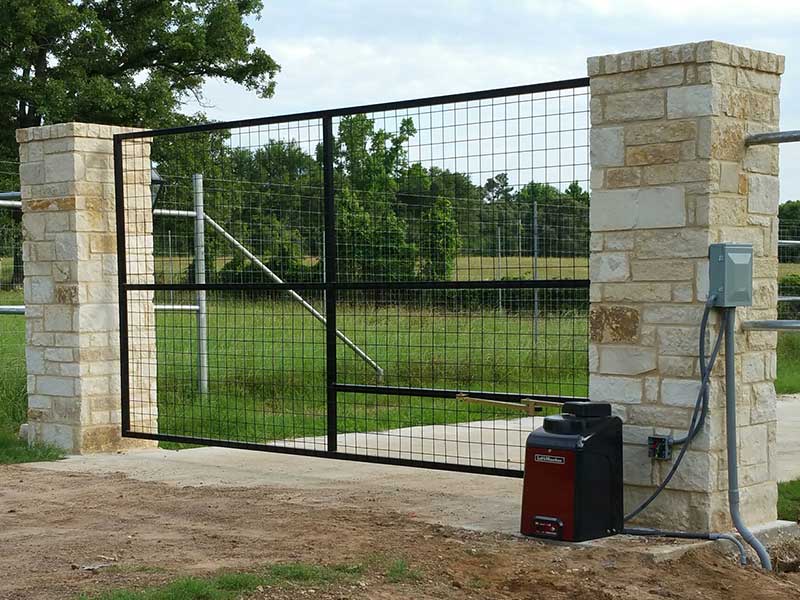
- Manual gates add a modest cost, while automatic gate systems can multiply the gate line item several times over.
- Sloped lots and yards with many corners need extra line posts and stepped panels, both of which add labor.
Pro Tip: Ask your contractor to walk the property line with you before the estimate is finalized. It surfaces easement issues, sight-distance problems near driveways, and soil surprises that a phone quote will never catch.
Permit and survey costs matter more than most people expect. Fences built inside a utility easement are at risk of removal by the utility owner, and that cost is rarely covered by the original installer. A recent property survey before work begins is worth the expense, especially if your neighborhood has changed hands multiple times.
Hire a pro or handle it yourself
Labor typically accounts for 40% to 60% of total project cost, which is the main reason DIY installation looks appealing on paper. Whether that tradeoff makes sense depends on your tools, your timeline, and how much risk you are willing to absorb.
- Professional installation covers permit handling, accurate post depth and spacing, and typically comes with a workmanship warranty.
- DIY installation saves the labor share of the bill but shifts the risk of misaligned panels, unstable posts, and missed permit steps onto you.
- A hybrid approach, where you handle demolition or staining yourself and hire a pro for post setting, can trim costs without sacrificing structural quality.
- Watch for red flags in low bids: a quote well below the going per-foot rate often means shallow post holes, subcontracted labor, or no insurance coverage.
- Always ask for proof of insurance and licensing before signing, since an uninsured crew leaves you liable for job-site injuries.
How to get an accurate written estimate
A quote that only lists a per-foot price tells you almost nothing about what you are actually buying. A complete written estimate should specify every element that affects both cost and quality.
Your estimate should include:
- Material type, grade, and fence height
- Post depth, spacing, and whether concrete footings are used
- Old fence removal and site cleanup
- Permit responsibility and who pulls the paperwork
- Estimated timeline with start and completion dates
- Warranty terms and the change-order policy for unexpected issues
Ten questions worth asking every contractor during bidding:
- Are you licensed and insured for fence installation in my area?
- Who is responsible for calling utility locates before digging?
- Who pulls the permit, and is that fee included in the quote?
- What is your standard post depth for this fence height and soil type?
- Can you provide references from recent similar projects?
- What is your estimated start date and completion timeline?
- What is the payment schedule, and is a deposit required?
- How do you handle unexpected issues like rock or old debris underground?
- What warranty do you offer on materials and workmanship?
- Will the same crew that quotes the job also install it?
Comparing itemized quotes side by side, rather than just the bottom-line number, is the fastest way to spot a contractor who left something out.
Perspective from Easton Fencing on what changes on-site
With over 17 years installing cedar and iron fences in North Texas, our in-house crews see the same site surprises repeatedly: sight-distance triangles at driveway corners that force a post to move, and clay soil that turns a one-day post-setting job into two. We set posts at a minimum of 24 to 30 inches depending on fence height and soil, and we quote gate automation lead times separately since hardware sourcing can add several weeks to a timeline.
Fences fail less often from bad materials than from posts set too shallow for the local soil.
— Justin
Step-by-step overview of the fence installation process
Every fence project follows roughly the same sequence, though the pace depends on permit turnaround and weather. Knowing the order helps you spot delays before they become surprises.
- Site evaluation and estimate, where the contractor measures the property line, checks for slope and obstacles, and provides a written quote.
- Permit application, submitted to your local building department, which can take anywhere from a few days to a few weeks depending on jurisdiction.
- Utility locates, a required step where utility companies mark buried lines before any digging starts.
- Old fence removal, if applicable, including debris haul-away.
- Post hole digging and setting, typically with concrete footings that need time to cure before panels attach.
- Panel or picket installation, followed by gate hanging and hardware fitting.
- Final walkthrough, where the crew checks for level lines, secure gates, and site cleanup.
Concrete curing time is the step most homeowners underestimate. Footings generally need 24 to 48 hours before they can bear the weight of panels and gates, which is why a straightforward backyard fence often takes two to four days total rather than one.
Which fence style fits your goals
Not every fence style serves the same purpose, and picking one based on looks alone often means paying twice once you realize it does not do what you needed.
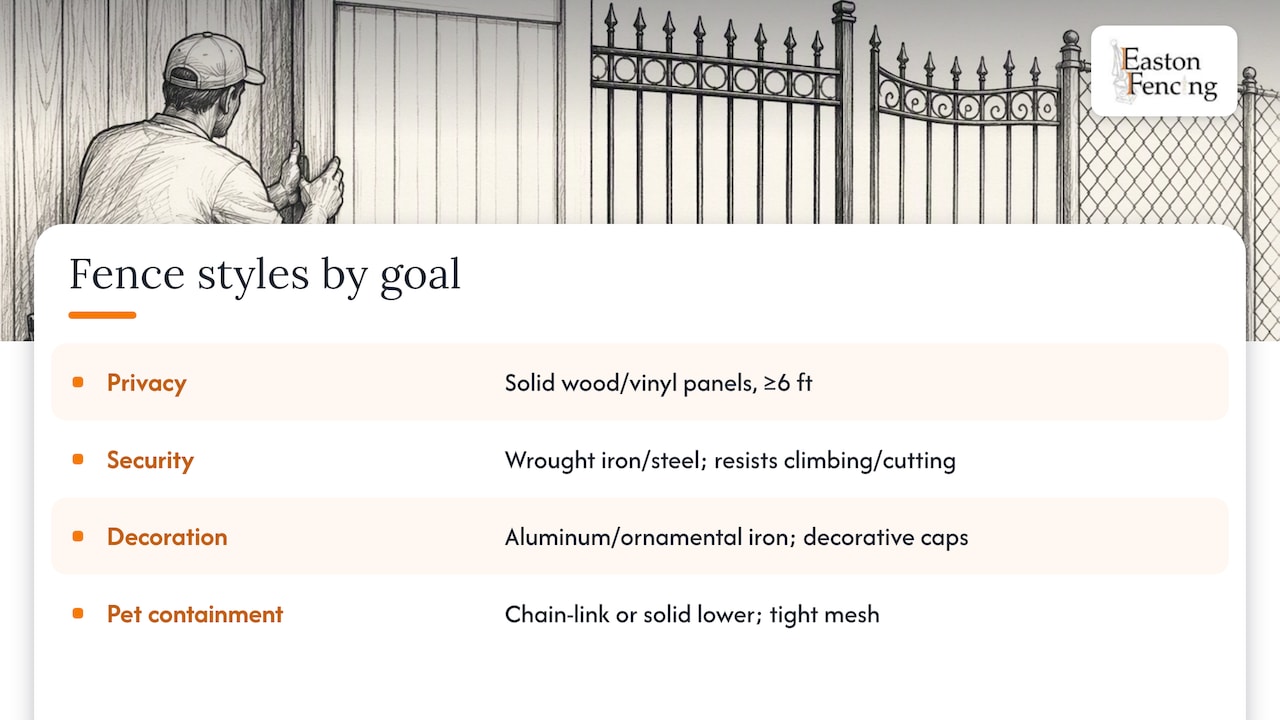
Privacy is best served by solid wood or vinyl panels with no gaps, standing at least 6 feet tall. Security favors wrought iron or steel, which resist climbing and cutting better than wood while still allowing visibility for surveillance. Decoration and curb appeal often call for aluminum or ornamental iron with detailed post caps, since these materials hold their finish longer than painted wood. Pet containment works well with chain-link or a solid lower-panel fence, though small dogs need tighter picket spacing or a mesh backing to prevent squeezing through gaps.
Many homeowners end up mixing styles, using a solid privacy section along a rear property line and a lower ornamental fence along the front for curb appeal without blocking sightlines. Our perimeter fence design guide covers how to blend security and style requirements without doubling your material list.
Common challenges and troubleshooting during installation
Even a well-planned fence project runs into snags. Knowing the common ones in advance helps you budget time and money for them rather than getting blindsided mid-project.
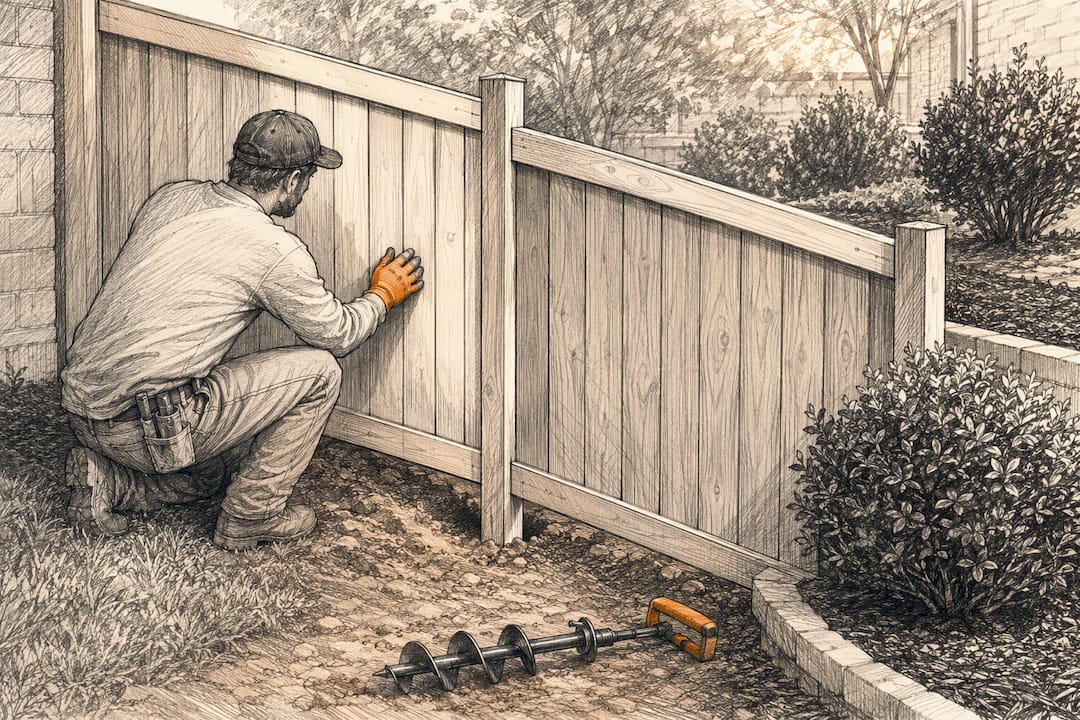
Rocky or root-filled soil is the most frequent delay, often requiring a hand auger or a different post-setting method than originally planned. Property line disputes surface more often than homeowners expect, especially in older neighborhoods where fences were never surveyed. Uneven terrain forces a choice between a stepped fence, where panels follow the slope in sections, or a racked fence, where the panel itself angles to match the grade. Weather delays curing time for concrete footings, which can push a four-day job to a week if rain hits right after post setting. Gate misalignment, usually from settling posts, is the most common callback issue and one reason a workmanship warranty matters more than a rock-bottom bid.
Why the cheapest quote rarely tells the whole story
The real lesson in fence pricing is not the per-foot number, it is what that number does not include. A bid that looks $10 per foot cheaper than the competition often skips permit handling, uses shallower post depths, or leaves old fence removal as a separate charge you discover later. Homeowners who compare only the bottom line end up paying for the gap between bids in change orders instead.
What gets underweighted in most advice online is soil and site condition. Two identical fences on the same street can cost differently if one lot has clay soil and buried construction debris from the original build. The reader’s real priority should be scope clarity first and price second: get the itemized list, confirm post depth and permit responsibility, then compare dollar figures. A fence that needs rework in year two was never actually the cheaper option.
— Justin
How Easton Fencing helps once you’re ready to install
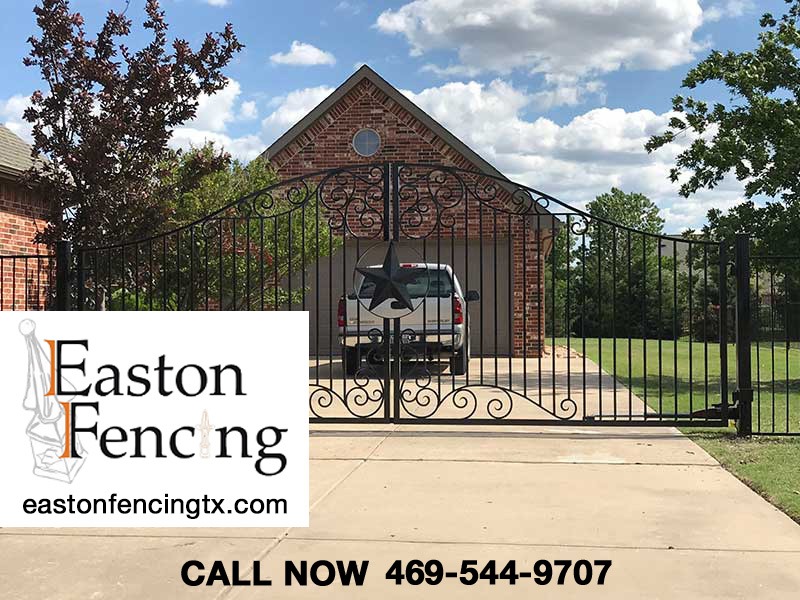
If you have compared quotes and you are ready to move forward, a local fencing company installs wrought iron fencing, custom wood fences, automatic gates, and handles iron fence repair across North Texas, all with in-house crews and no subcontractors.
To get a free estimate, have your property line location, approximate fence length, and any HOA requirements ready when you call. A crew member will walk the site, note any easement or grading issues, and follow up with a written quote.
- Wrought iron fencing and custom pool fences for security and lasting curb appeal.
- Custom wood fence design for privacy and traditional style.
- Automatic gate installation for driveways and estate entries.
- Iron fence repair for existing fences showing wear or storm damage.
| What you get | Detail |
|---|---|
| Estimate cost | Free |
| Crew type | In-house, no subcontractors |
| Experience | Extensive experience |
| Insurance | Fully insured work |
Start with a free wrought iron fencing estimate or explore custom wood fence options if privacy is your priority.
Sources
Cost ranges and sample totals in this guide come from HomeGuide’s fence installation cost data, HomeGuide’s vinyl versus wood comparison, and Angi’s fence installation cost breakdown, along with Angi’s aluminum and steel fence pricing. Permit rules are set locally, so confirm requirements with your municipality before starting work. Timeline expectations around curing and scheduling also draw on general installation timeline guidance from the construction trade.
FAQ
How much does it typically cost to install a fence?
Most fence installations cost $20 to $60 per linear foot installed, depending on material and site conditions. A standard backyard project often lands between $4,000 and $12,000 once permits and site prep are included.
How much does 200 feet of fencing cost?
A 200-foot fence typically costs a moderate amount as detailed here installed, with the final number depending heavily on material choice. Wrought iron or vinyl push that total toward the higher end, while chain-link stays closer to the lower end.
Do I need a permit to put up a fence?
Permit requirements depend on your local building department and often on fence height, so this varies by municipality and is not something a general guide can answer for every reader. Permit fees themselves commonly range from $20 to $370, and checking with your city or county before installation avoids costly rework later.
How much should I expect to pay for fencing overall?
Expect a range rather than a single number, since material, height, and site conditions all move the price within the $20 to $60 per linear foot band. Getting three written estimates for your specific property is the most reliable way to know your actual cost.