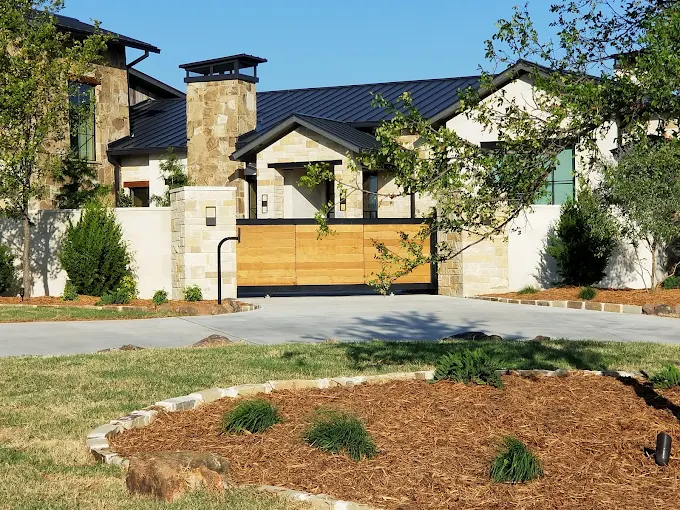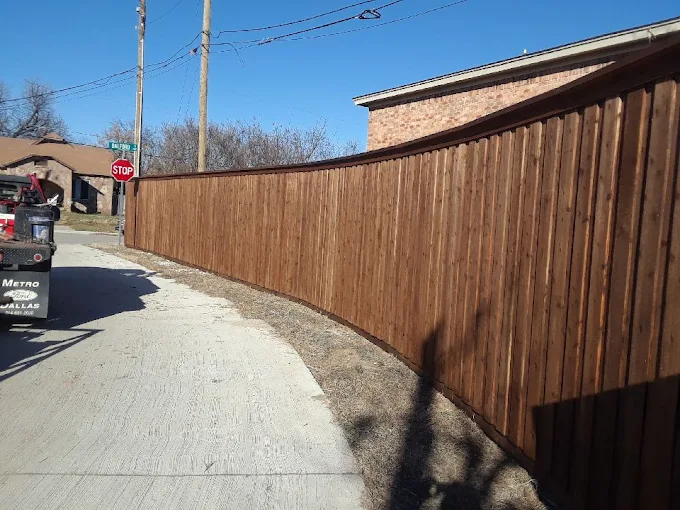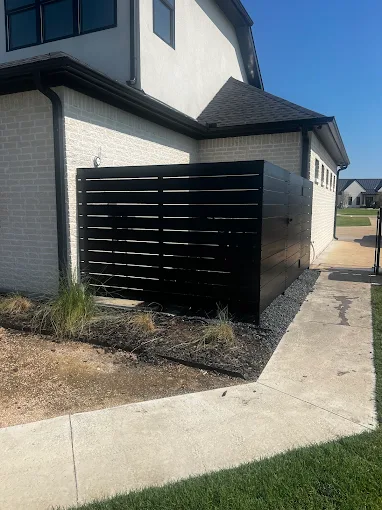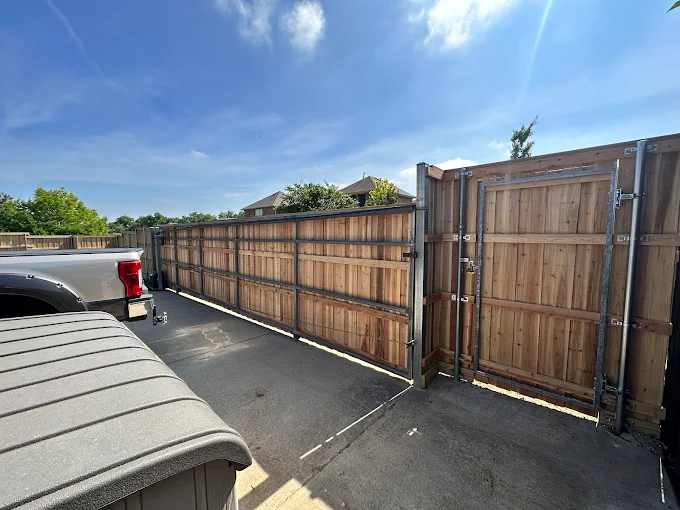
Six feet is the practical standard for backyard privacy in most U.S. municipalities. Front yards are usually capped at 3 to 4 feet to preserve sightlines, and anything at a taller height typically requires a permit, an engineered footing plan, or both. Before you order materials or call a contractor, run three quick checks:
- Call your city or county building department and ask about height limits for your specific zoning.
- Pull your HOA’s CC&Rs if you have one. HOA rules can restrict height further than local code allows.
- Measure the grade on both sides of the proposed fence line, not just your own yard.
Pro Tip: Measure fence height from the lower adjacent grade, not from where you’re standing. Inspectors do it this way, and it’s the fastest way to avoid an unintentional code violation.
Key Takeaways
The right privacy fence height depends on where the fence sits on your property, what your HOA allows, and how the grade changes along the fence line.
| Point | Details |
|---|---|
| Six feet is the baseline | Most backyards use 6 feet for privacy without triggering a permit in most jurisdictions. |
| Front yards stay low | Expect a 3 to 4 foot cap near the street to preserve sight triangles at driveways and intersections. |
| Eight feet means paperwork | Fences at 8 feet typically require a permit, a survey, and engineered footing plans. |
| HOA rules can override city code | Check CC&Rs before ordering materials since HOAs can restrict height further than local law. |
| Easton Fencing handles the process | Easton Fencing checks local code, manages permits, and installs with in-house crews across North Texas. |
Table of Contents
- Standard Privacy Fence Heights and What Each One Delivers
- How Local Codes and Permits Control Your Fence Height
- Who Actually Sets Your Allowed Fence Height
- When You Can Legally Build Taller Than 6 Feet
- Matching Fence Height to What You’re Actually Trying to Solve
- How Material and Wind Load Affect What’s Feasible
- What Installers See on Job Sites
- How Easton Fencing Handles the Permit Work for You
- Where to Confirm Your Local Fence Rules
- FAQ
Standard Privacy Fence Heights and What Each One Delivers
Not every yard needs the same wall. The right privacy fence height depends on what you’re actually solving for: sightline compliance, standing privacy, or noise control.
A few feet is the typical front-yard ceiling. It won’t block a neighbor’s view into your yard, but it satisfies most municipal sight-triangle rules and works well for decorative borders, low garden fencing, or defining a property edge without looking like a barricade.
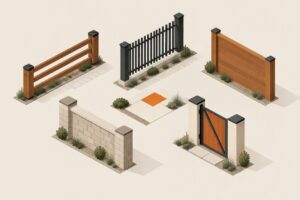
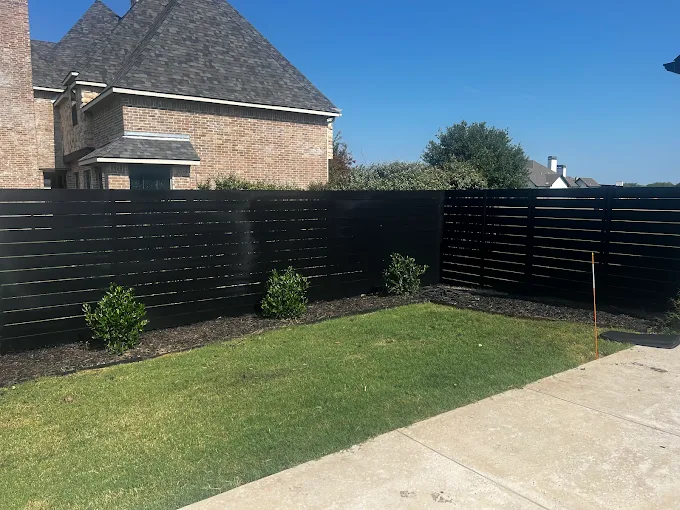
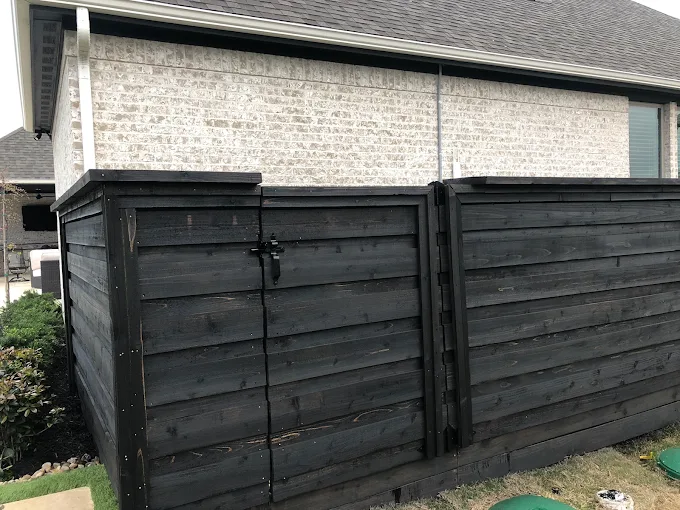
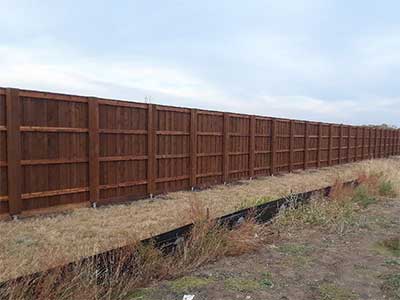
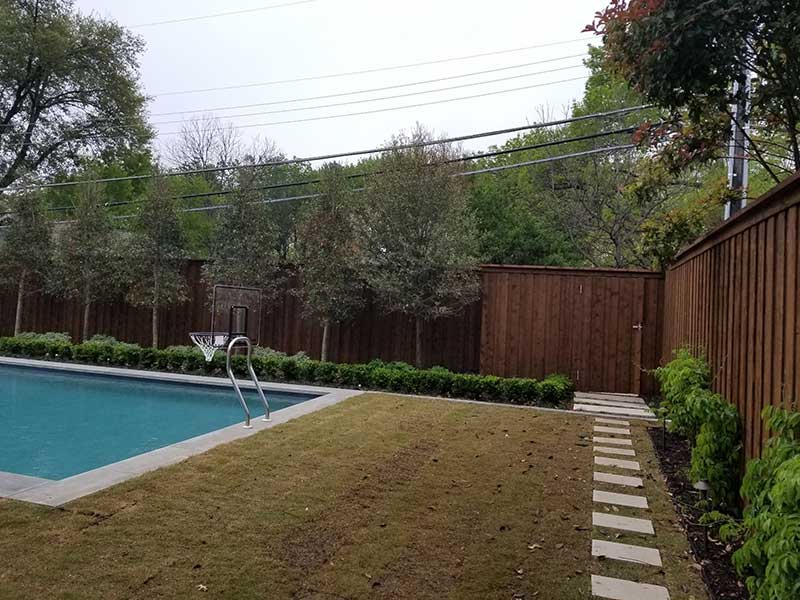
A common height for backyard fences is six feet. It’s tall enough to block a standing adult’s sightline over the top, it’s the most common backyard and side-yard limit nationwide, and in most jurisdictions it clears the fence line without a permit. This is where the majority of North Texas homeowners land, and it’s what we install most often for cedar and wood privacy projects.
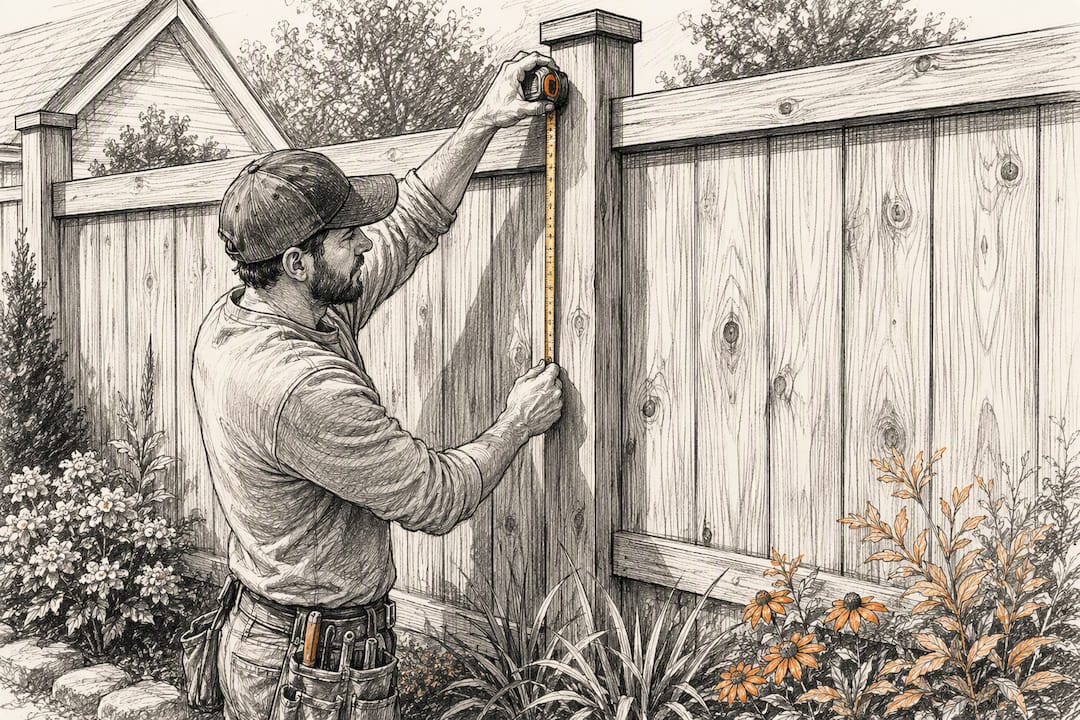
Taller fences are used when additional height is needed: elevated decks looking down into your yard, steep lots, busy roads behind the property, or noise from a nearby commercial strip. It almost always triggers permit review.
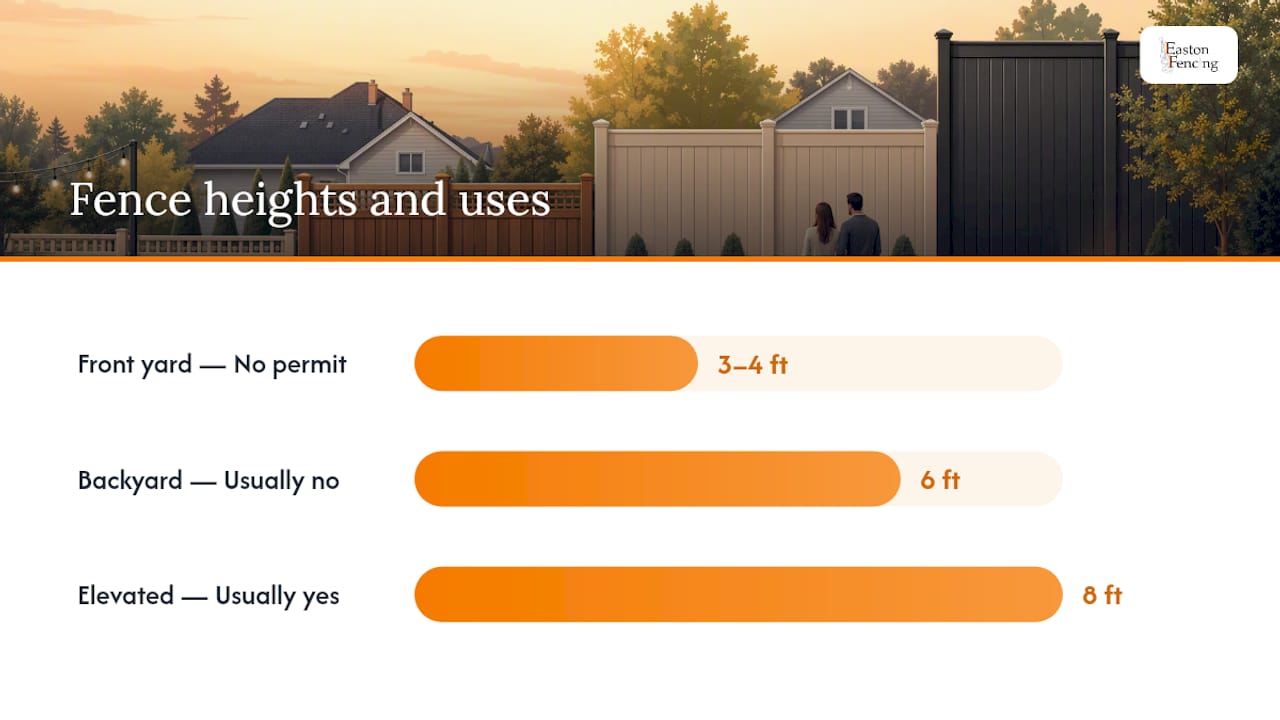
| Height | Typical Use | Permit Likely? |
|---|---|---|
| 3–4 ft | Front yard, decorative border | No |
| 6 ft | Backyard/side yard privacy | Usually no |
| 8 ft | Elevated sightlines, noise, steep lots | Usually yes |
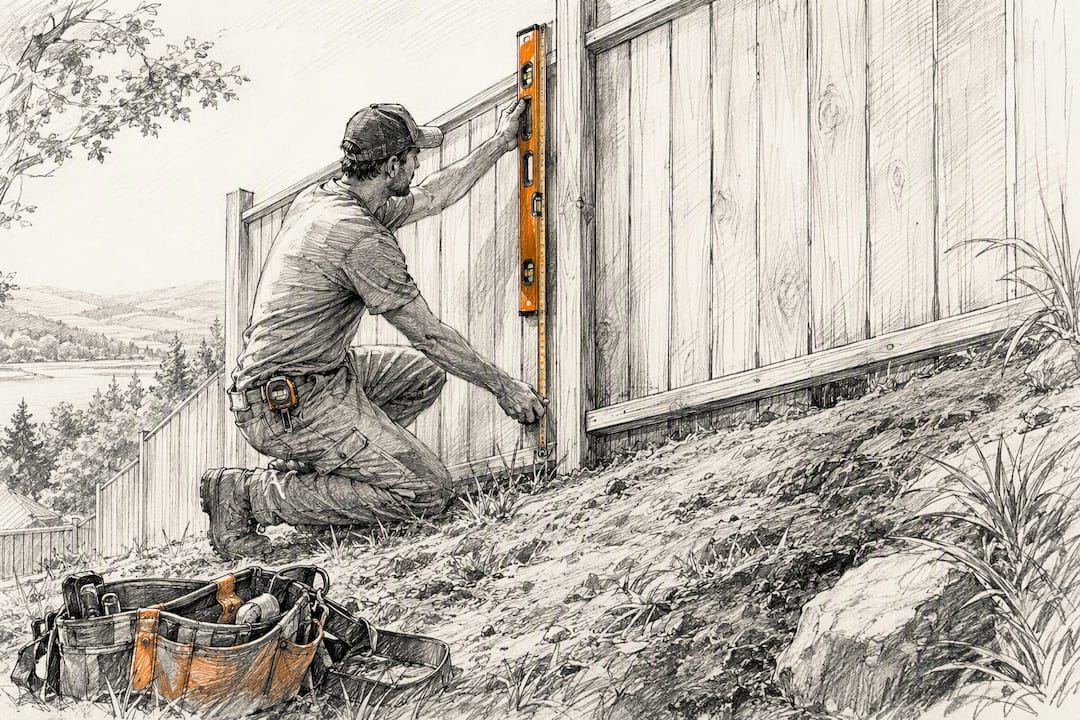
Pro Tip: A 6-foot fence on a sloped lot can feel like a 4-foot fence from your neighbor’s raised patio. Walk the property line at different points before assuming one height solves the whole yard.
How Local Codes and Permits Control Your Fence Height
Fence height rules aren’t arbitrary. They exist mostly to protect what planners call the sight triangle, the clear-vision zone near driveways and intersections where a tall fence could hide an oncoming car or cyclist. That’s why front yards get capped at 3 to 4 feet in most cities.
Backyard and side-yard limits are more forgiving. Most municipalities land on 6 feet as the default, though some allow up to 8 feet in specific zones or with a variance.
Once you cross the 6-foot line, expect more paperwork:
- A property survey confirming your fence sits inside your own boundary.
- Engineered footing plans, especially in areas with high wind exposure.
- A scheduled inspection before or after the posts go in.
Roughly one in five fence permit applications gets flagged for missing survey or footing documentation, which stalls the project by weeks. Skip the guesswork: call your city’s building or planning department directly, and lead with your parcel number and the phrase “residential fence height permit.” Every town organizes this information differently, so don’t assume your neighboring city’s rule applies to you.
Pro Tip: Ask specifically about corner lots if you’re near an intersection. Sight-triangle distances are often published as a diagram, and staff can email it to you on the spot.
Who Actually Sets Your Allowed Fence Height
Your city code isn’t the only gatekeeper. If you belong to an HOA, its CC&Rs govern first, and HOAs can be stricter than local code but never more permissive. A city might allow 6 feet; your HOA architectural committee might cap you at 5.
Run this checklist before you buy a single post:
- Confirm your municipal height limit and permit threshold.
- Read your HOA’s CC&Rs and identify the approval process, not just the height rule.
- Locate utility easements and underground lines on your property survey.
- Verify sight-triangle setbacks if you’re near a corner or driveway.
- Measure from the lower adjacent grade, especially on sloped lots.
- Get HOA approval in writing before ordering materials.
- Keep a copy of your permit and inspection sign-off with your home records.
- Share your survey with the neighbor if the fence sits near a shared line. It heads off disputes before they start.
Pro Tip: A written HOA approval email is worth more than a verbal “that should be fine” from a board member. Save it.
When You Can Legally Build Taller Than 6 Feet
Going above 6 feet usually means one of three things is happening: you’re requesting a variance, you have a documented noise or security need, or your property sits in a zone (rural, agricultural, or estate) with looser standard limits.
Technical requirements climb fast once you clear that threshold. Expect:
- Deeper footings and heavier posts to handle wind load, particularly in open or elevated lots.
- An engineer’s stamp on footing plans in many wind-exposed regions.
- Additional inspection steps tied to the permit.
If an 8-foot solid wall feels like overkill for the privacy you actually need, you have options that don’t require the same engineering lift: a lattice topper on a standard 6-foot fence, staggered evergreen plantings along the fence line, or a privacy screen panel positioned where sightlines are worst.
Pro Tip: Before committing to 8 feet, ask whether a 6-foot fence with a lattice topper and a row of fast-growing shrubs solves the same problem for less money and less paperwork.
Matching Fence Height to What You’re Actually Trying to Solve
Privacy, safety, and noise control aren’t the same problem, and they don’t need the same fence.
Standard privacy calls for 6 feet in most cases. If you’re dealing with a neighbor’s elevated deck or a two-story home looking down into your yard, 8 feet or a 6-foot fence paired with strategic plantings closes that gap.
Child and pet containment depends less on total height and more on gate hardware. Self-closing, self-latching gates matter more than an extra foot of panel, and pool areas fall under separate rules entirely, most commonly a 48-inch minimum barrier with strict latch requirements under the IRC pool enclosure standard.
Noise reduction and security improve with height, but density matters just as much. A solid 6-foot cedar fence often blocks more street noise than a taller fence with gaps between pickets. If height alone won’t get you there, acoustic panels or dense landscaping sometimes outperform simply going taller.
Pro Tip: If a pool is anywhere in the plan, get the pool-barrier rule from your local code office before you finalize the privacy fence height. The two requirements don’t always align.
How Material and Wind Load Affect What’s Feasible
Your material choice shapes both the cost of going taller and how much privacy you actually get. Wood, including cedar, delivers strong privacy at a lower upfront cost but needs more upkeep over time. Vinyl and composite trade some of that warmth for lower maintenance. Iron and aluminum hold up longer structurally but offer little privacy unless you add infill panels, according to BarrierBoss’s state fence code roundup.
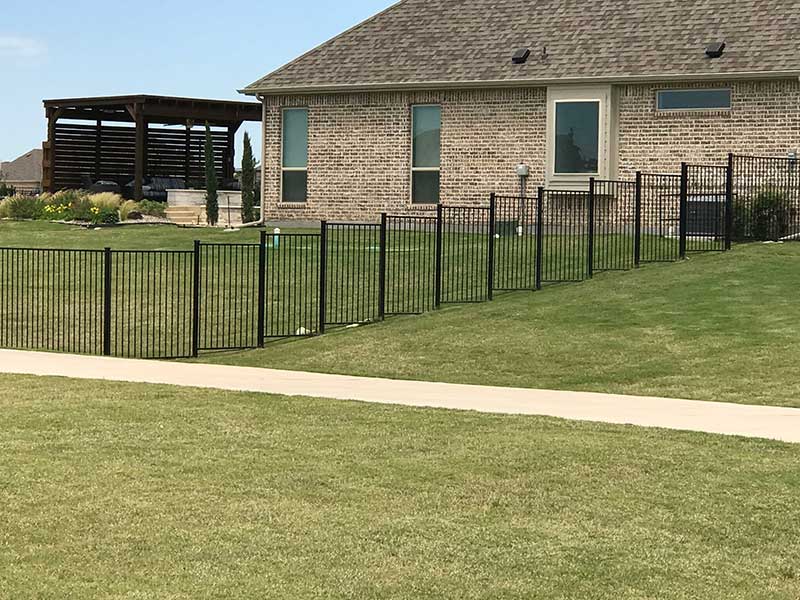
Height changes the engineering math, too. Taller panels catch more wind, which means stronger posts, deeper footings, and sometimes a wind-load calculation depending on your zone. Slope adds another variable: stepped or racked panels can hold a consistent top line on uneven ground, but the measured height from your neighbor’s grade might still differ from what you measured on your own side.
- Wood: strong privacy, moderate cost, more maintenance over time.
- Vinyl/composite: low maintenance, higher upfront cost.
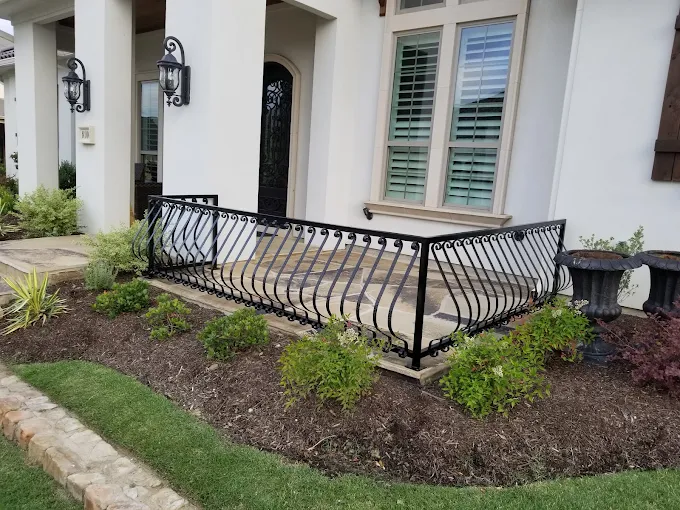
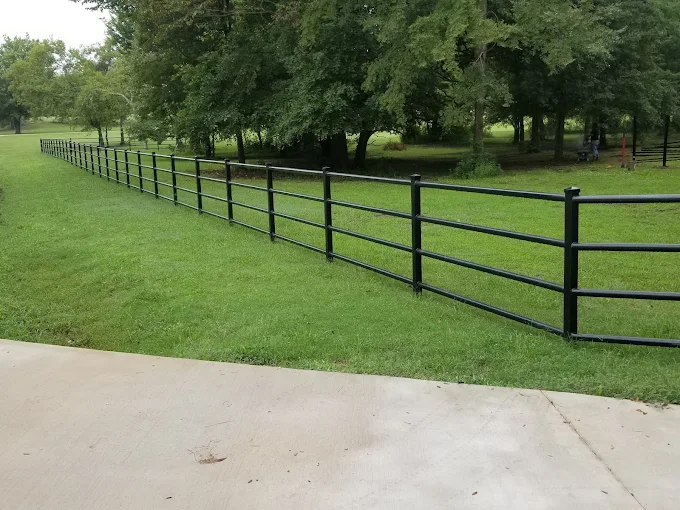
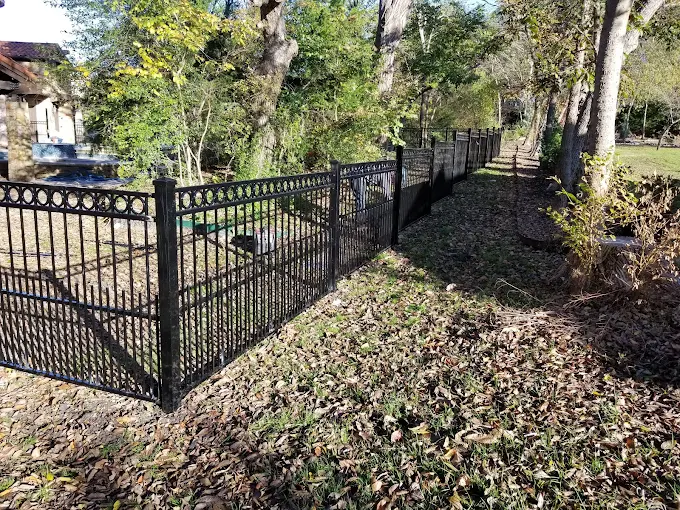
- Iron/aluminum: durable, minimal privacy without infill.
Pro Tip: Ask your contractor how they plan to handle grade changes along the fence line before you sign anything. Stepped panels look cleaner than racked ones on steep slopes, but they cost more labor.
What Installers See on Job Sites
The most common mistake we run into is a homeowner measuring fence height from their own patio instead of the lower adjacent grade, then getting flagged during inspection. The second most common: skipping HOA approval because “the city already said it’s fine.” Before we quote a job, we check utility easements, property corners, and neighboring grade differences every time.
How Easton Fencing Handles the Permit Work for You
Easton Fencing takes the guesswork out of getting your fence height right the first time. We check your local code, handle permit paperwork, and provide engineered footing plans when a taller fence requires them, all without subcontractors touching your property.
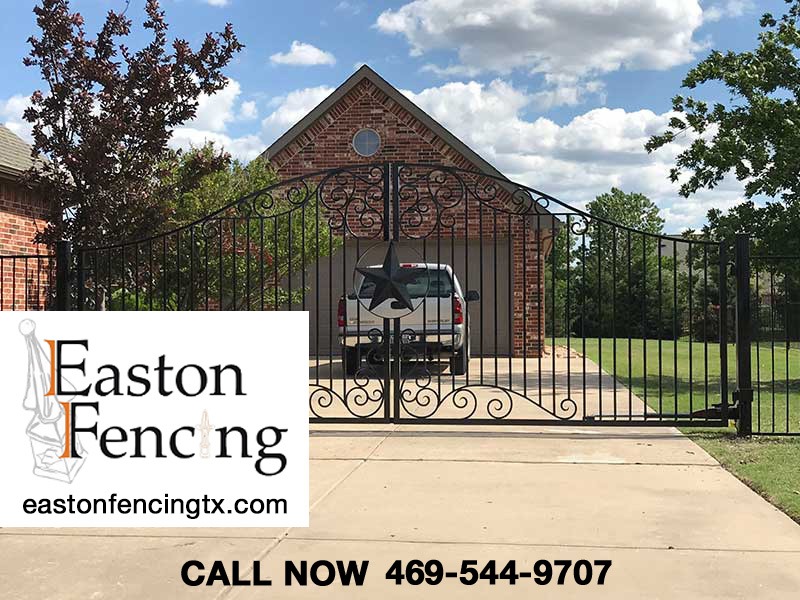
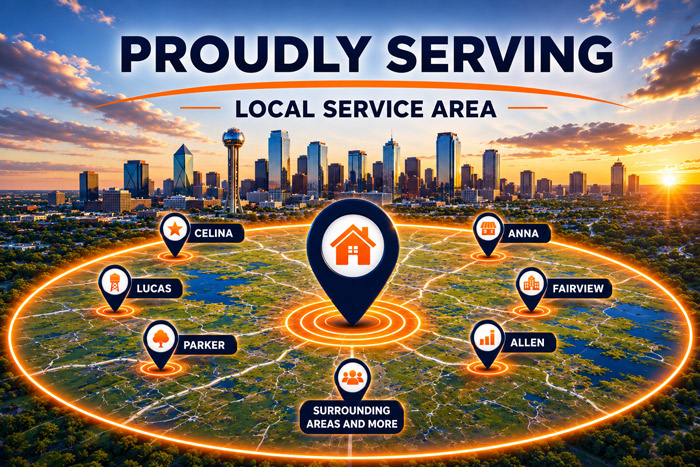
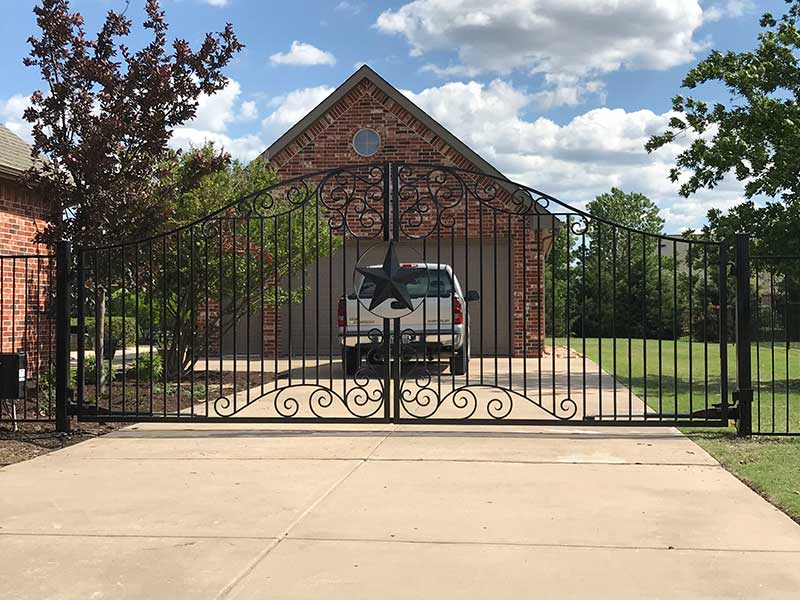
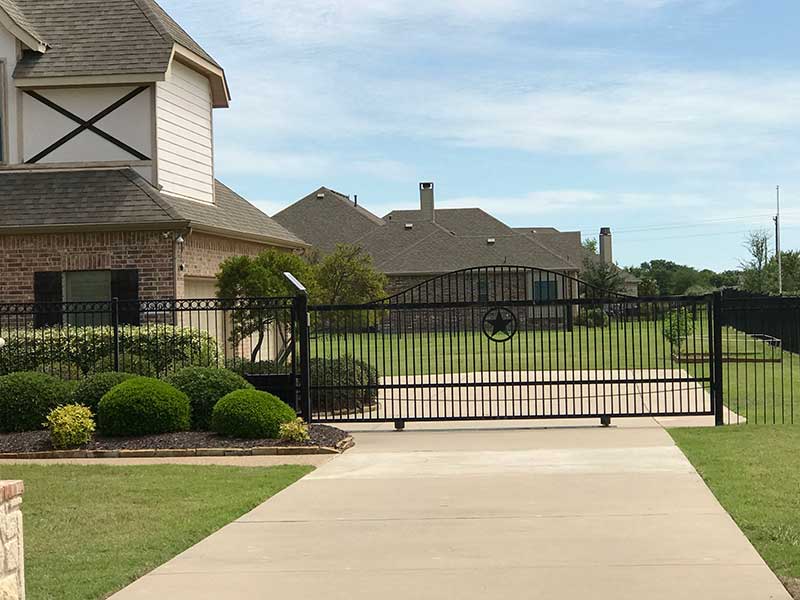
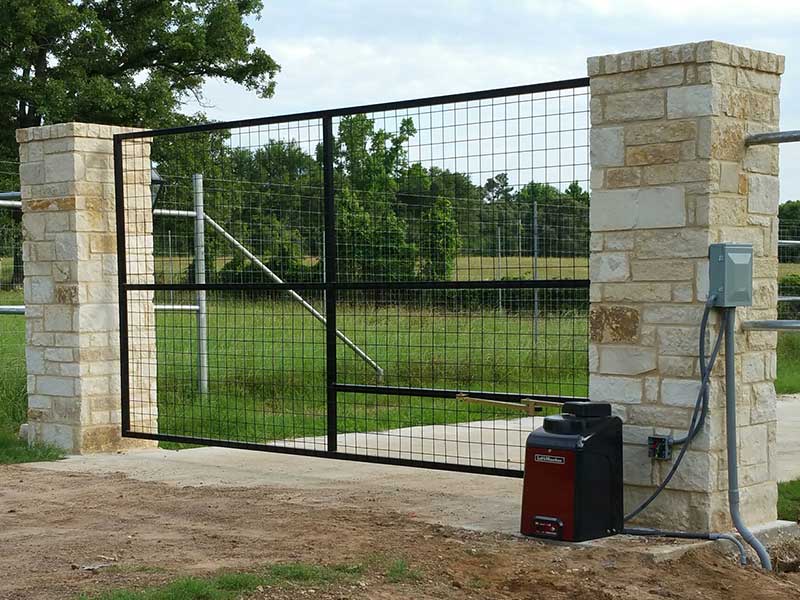
Every project, from a standard 6-foot cedar privacy fence to an 8-foot engineered install on a sloped lot, is built by our own in-house crews and covered by insured work. If you’re weighing a taller fence for noise or elevated sightlines, we can also walk you through wrought iron options where security matters more than solid privacy, or pair your fence with an automatic gate for a finished, secure entry point. Homeowners in Celina, Fairview, Parker, Wylie, Prosper, Anna, McKinney, Allen, Sachse, Lucas, University Park, and across Collin County can request a free estimate and we’ll confirm your local height rules before a single post goes in the ground.
Where to Confirm Your Local Fence Rules
- Your city or county building/planning department page for exact height and permit thresholds.
- A licensed surveyor, via resources like this guide on ordering a property survey, to confirm your exact property lines before building.
FAQ
Can You Have an 8-Foot Privacy Fence?
Yes, in many jurisdictions, but it typically requires a permit and often an engineered footing plan, especially in areas with higher wind exposure.
Is an 8-Foot Privacy Fence Too High?
It depends on your goal. Eight feet makes sense for elevated sightlines, steep lots, or heavy noise reduction, but it usually costs more, needs stronger posts, and may face HOA restrictions even where the city allows it.
Can My Neighbor Put Up a 7-Foot Fence?
It depends entirely on local code. Some municipalities allow up to 7 or 8 feet in backyard zones, while others cap side and rear yards at 6 feet, so the answer changes city to city.
What Is a Good Height for a Privacy Fence?
Six feet is the practical standard for most backyards, tall enough to block a standing adult’s sightline while staying under most permit thresholds. Sloped lots or elevated neighboring decks sometimes call for 8 feet instead.